Develop Ballerina-Style House Slippers for Retail
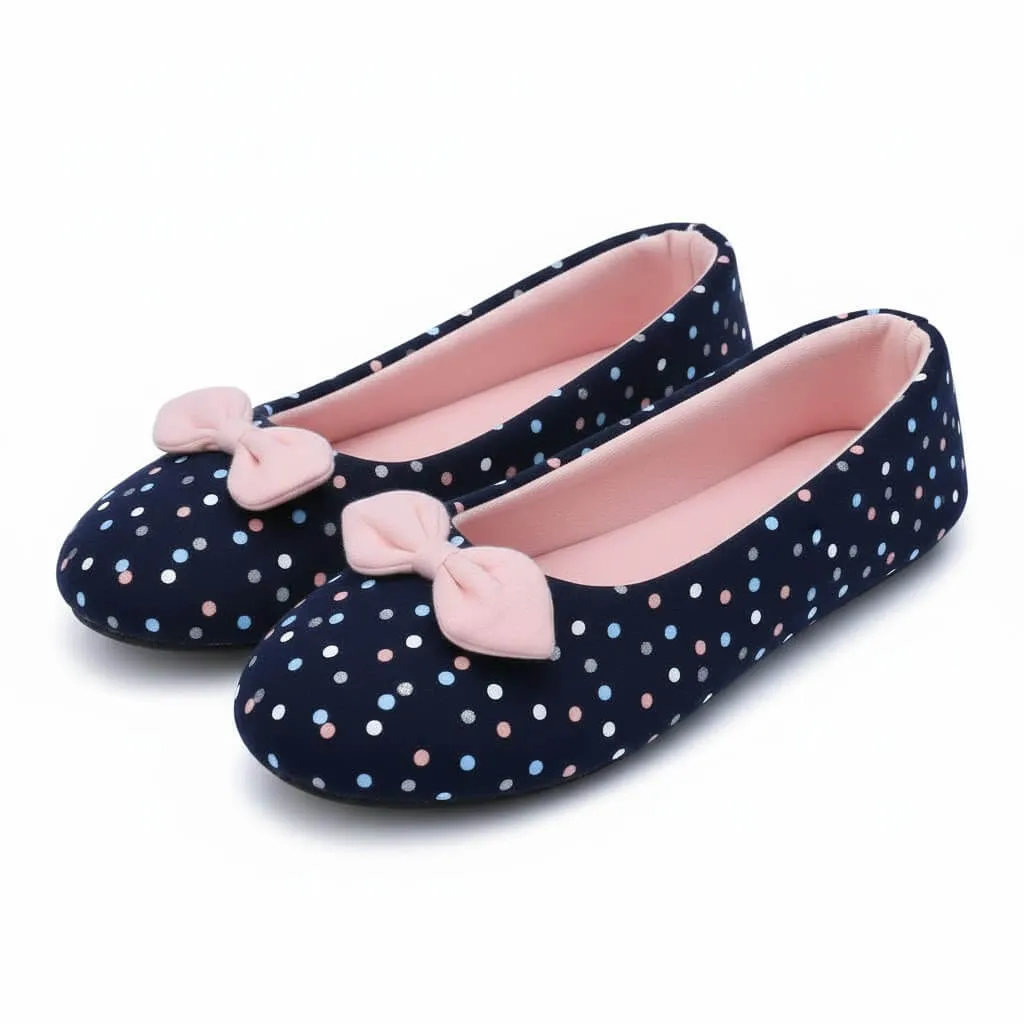
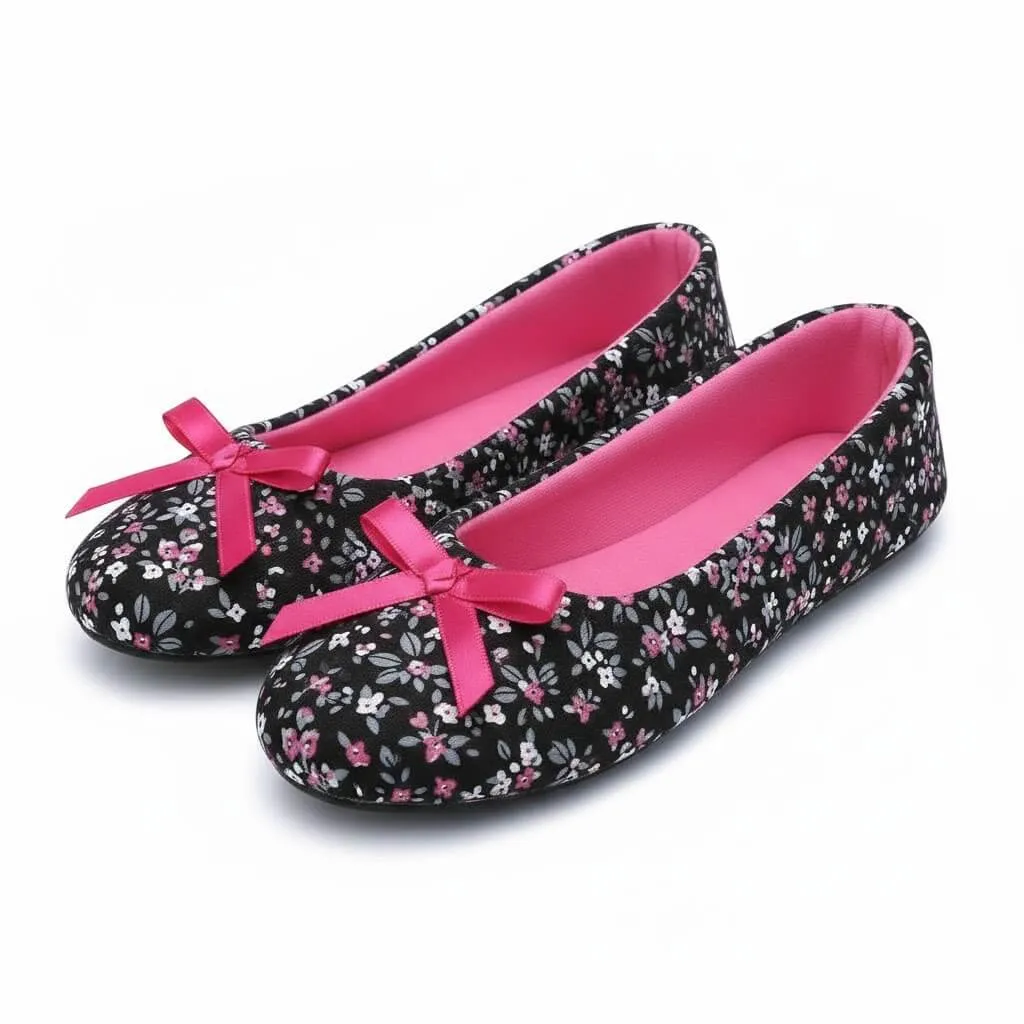
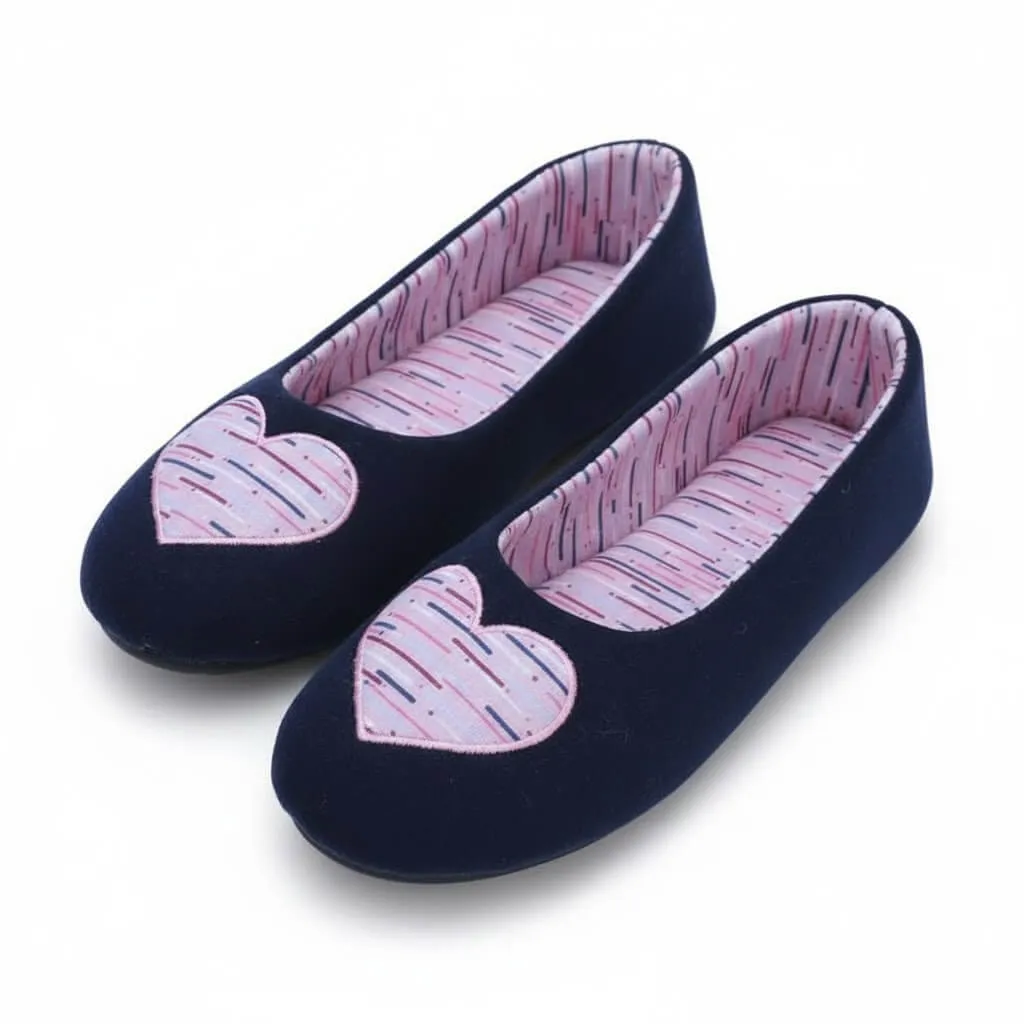
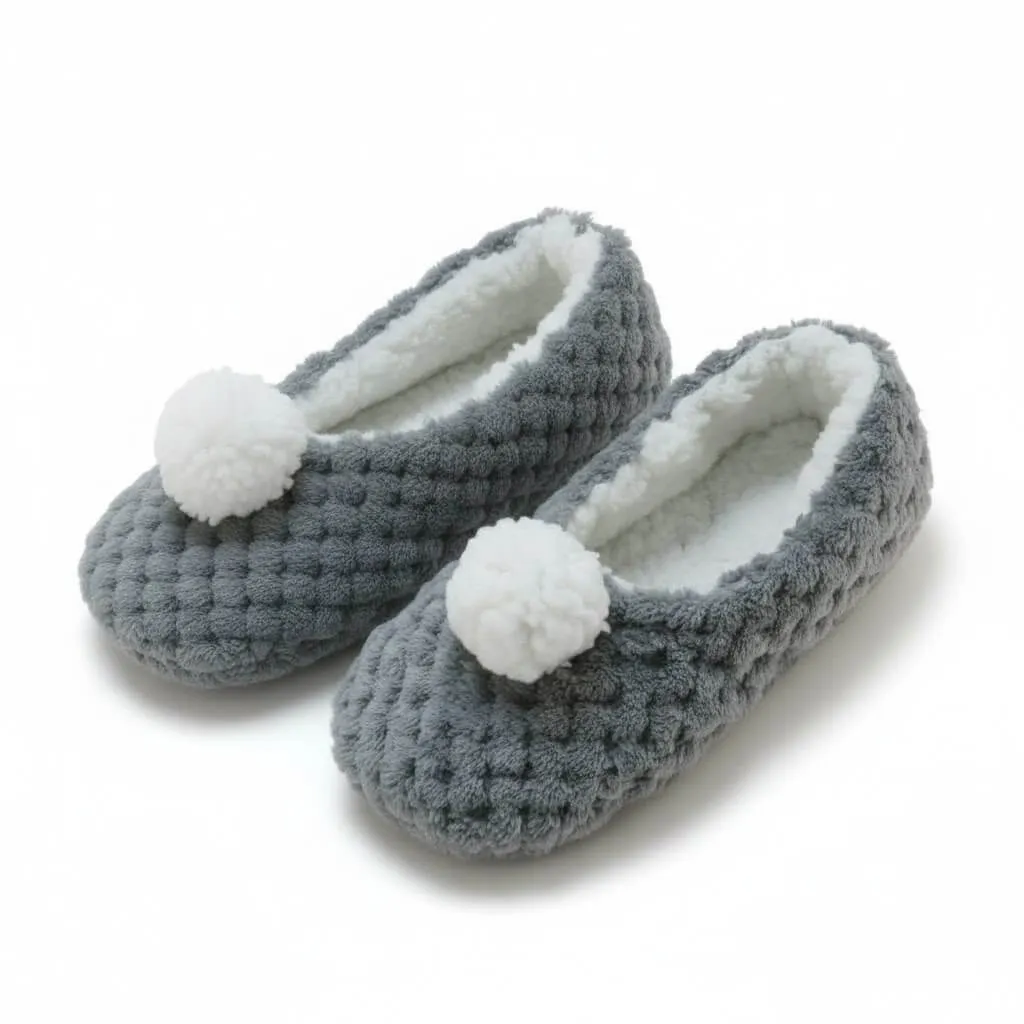
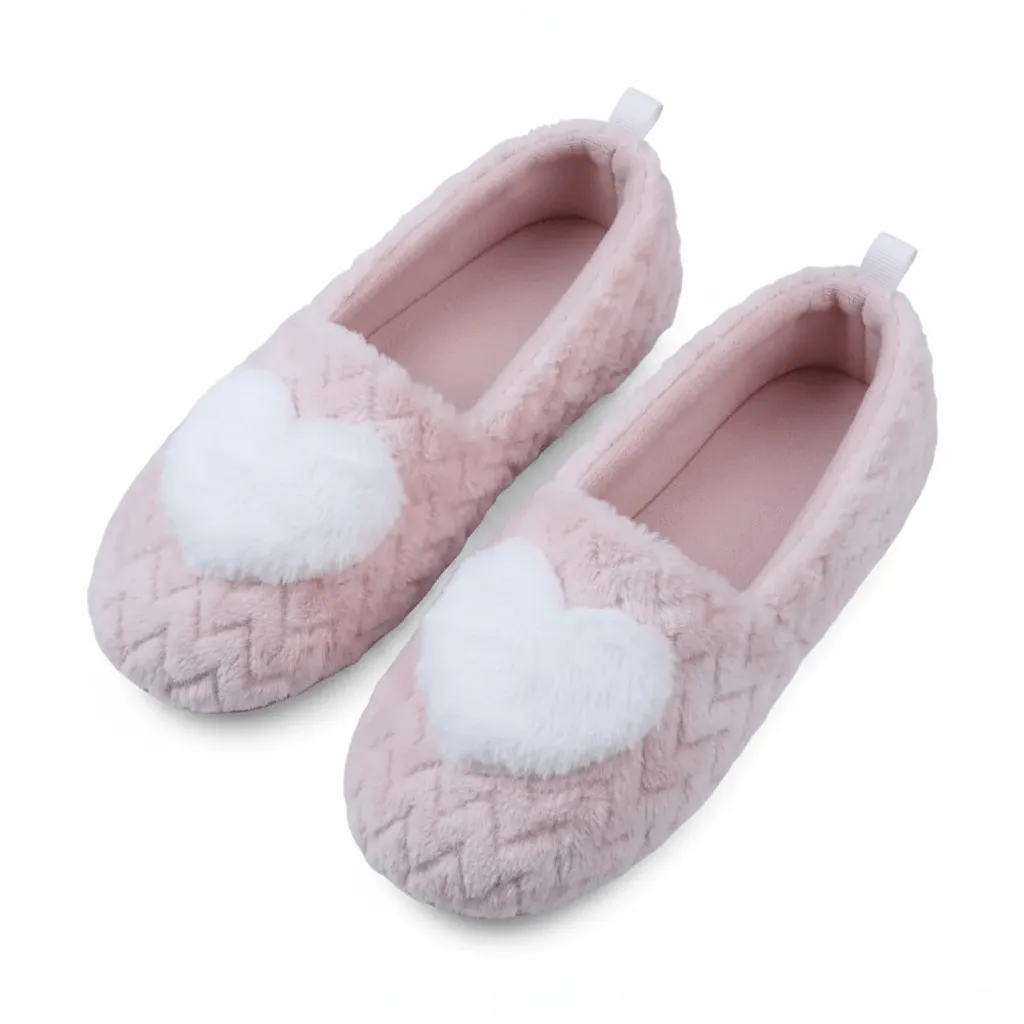
Ballerina slippers use a low-profile indoor silhouette that can suit gift, travel, homewear, and compact retail programs. Product development should focus on opening control, toe room, heel fit, edge finishing, footbed construction, sole choice, and presentation.
| Design area |
Collection effect |
What to confirm |
| Opening and topline |
Controls entry, fit, and silhouette |
Opening dimensions, elastic or binding specification, stretch, and recovery |
| Toe shape |
Defines appearance and usable space |
Toe profile, internal width, seam allowance, lining, and smallest-to-largest grading |
| Upper decoration |
Adds retail identity |
Bow, embroidery, print, label, or appliqué size, position, and attachment |
| Footbed and sole |
Affects comfort, flexibility, weight, and packing |
Cushioning, cover material, sole thickness, connection, and intended indoor use |
Compare other directions in the broader wholesale women’s slippers category.
Customize the Upper, Branding, and Packaging
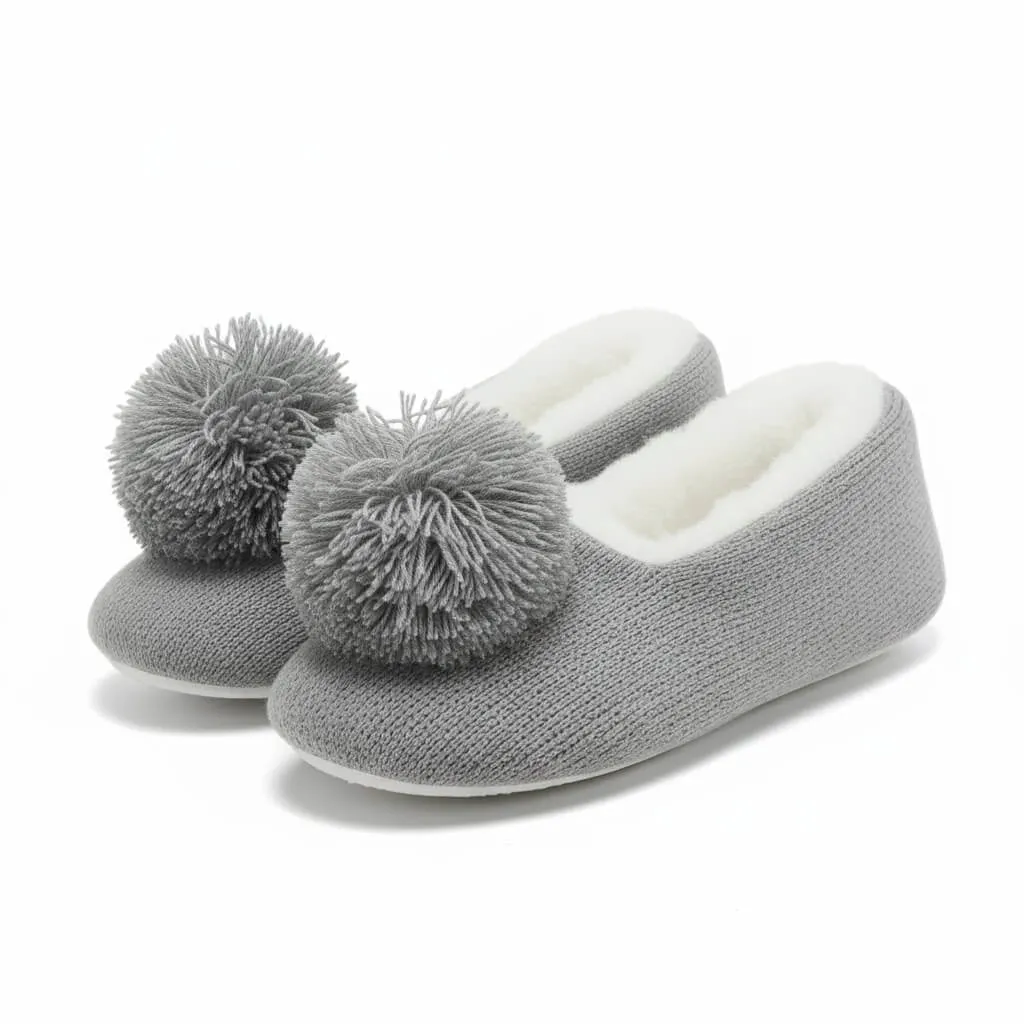
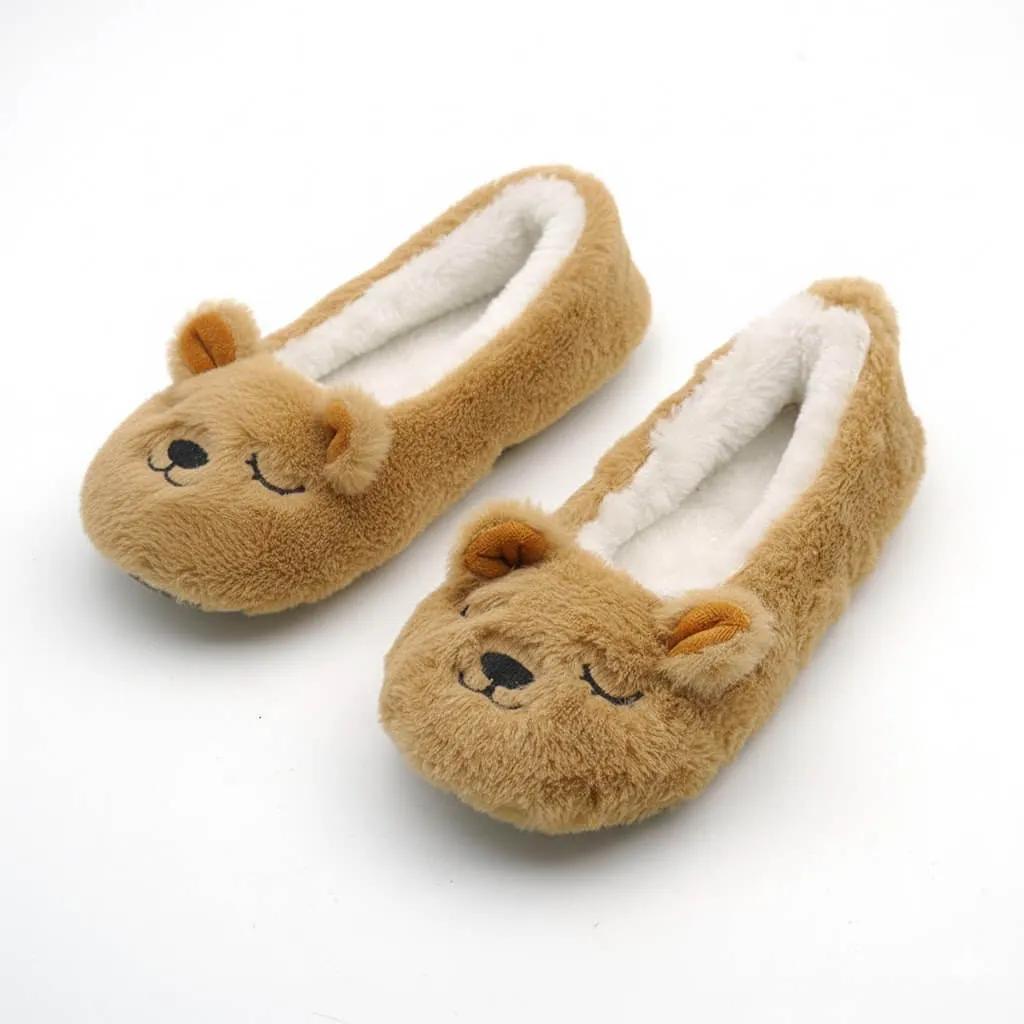
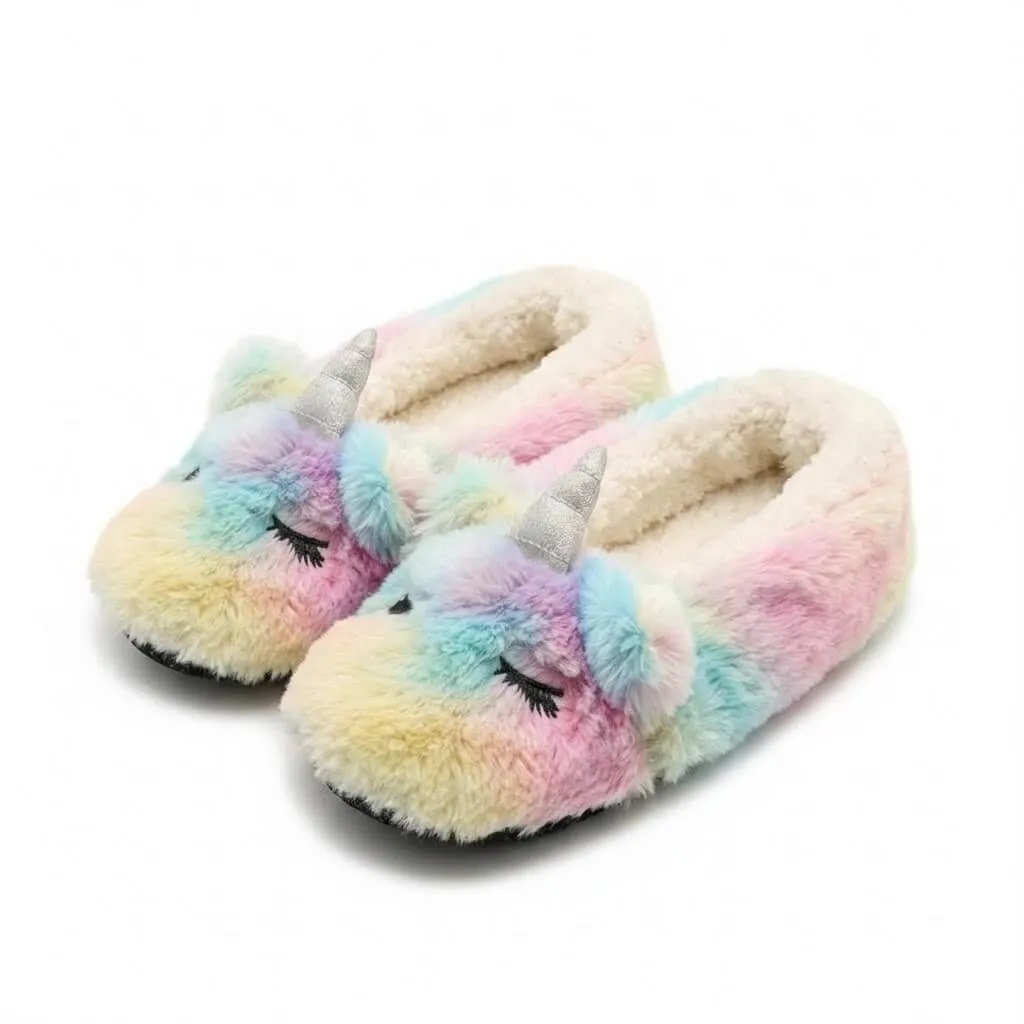
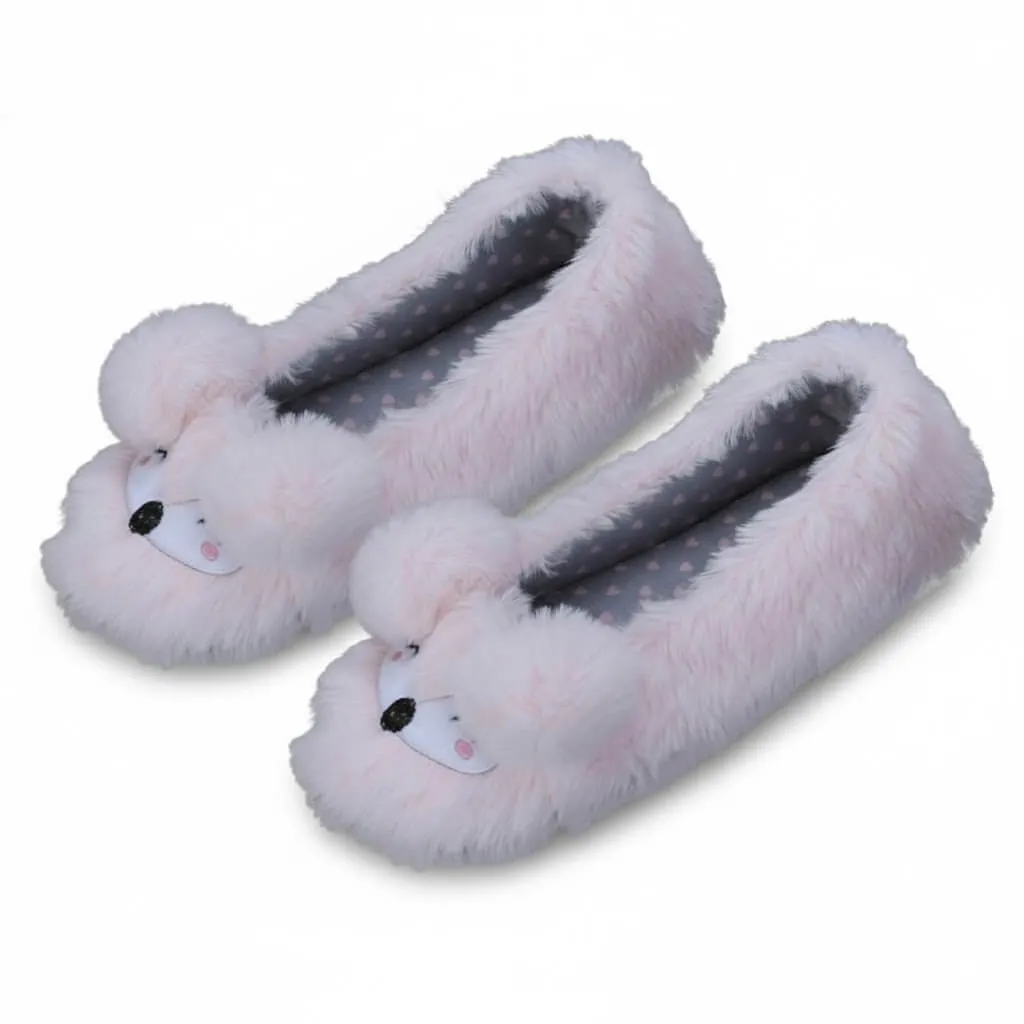
Existing styles can be adapted where the construction permits. Suitable options may include knit, jersey, velvet, faux suede, plush, fleece, or other confirmed textiles, together with coordinated lining, binding, and footbed materials.
- Upper, lining, footbed cover, binding, and elastic specification
- Core, gift, and seasonal colors
- Women’s size range and order ratio by size
- Cushioning and sole construction
- Bows, embroidery, labels, printing, or other suitable decoration
- Hang tags, barcode labels, compact packs, boxes, display formats, and carton marks
The term “ballerina” on this page describes the indoor slipper shape. Do not market the product as ballet footwear or a performance dance shoe unless it has been separately designed and verified for that use.
Control Opening, Fit, and Size Grading
A low-cut upper gives ballerina slippers their shape but leaves less tolerance for inconsistent openings. Elastic tension, binding stretch, heel height, toe form, material recovery, lining thickness, and seam allowance all influence fit.
- Opening length and width on representative sizes
- Elastic or binding tension and recovery
- Toe room, internal width, heel position, and edge pressure
- Footbed dimensions and left-right pair matching
- Smallest, middle, and largest size consistency
Approve complete fitted samples in the requested size system. A generic conversion chart is not a substitute for checking the actual pattern, materials, and construction.
Approve Sole, Folding, and Retail Presentation
Ballerina slippers may use a soft or more structured indoor sole depending on the product direction. The specification should state sole material, thickness, connection method, intended use, and any measurable performance requirement.
If the product will be folded, rolled, paired with a pouch, or packed flat, review crease recovery, decoration protection, pair orientation, barcode and size visibility, and shelf presentation. The approved sample and packaging mock-up should become part of the bulk production standard.
Women’s Ballerina Slipper Development Resources
Use these guides to review women’s slipper sourcing and private label production requirements:
- Wholesale Women’s Slippers Sourcing Guide
Review women’s materials, fit, size planning, branding, packaging, sampling, and bulk quality considerations.
- Private Label Indoor Slippers Manufacturing Guide
Plan the product specification, logo method, packaging format, sample approval, and repeatable bulk production standard.
For plush, novelty, warm-season, and more structured house shoes, explore Utop’s complete wholesale women’s slipper range.
Request a Women’s Ballerina Slipper Quotation
Send the preferred product or reference, quantity, size range and ratio, materials, colors, branding, packaging format, destination market, and requested schedule.
Discuss Your Ballerina Slipper Program
FAQ About Women’s Ballerina Slippers
Are these ballet dance shoes?
No. This category covers indoor house slippers with a ballerina-inspired silhouette. They should not be presented as technical ballet or performance dance shoes unless separately engineered and verified for that purpose.
Can the opening and fit be customized?
Yes, subject to pattern and construction feasibility. Opening dimensions, elastic or binding, toe shape, heel profile, lining, cushioning, and size grading can be reviewed during sampling.
Can ballerina slippers use custom gift packaging?
Packaging options can be discussed according to the product and order plan, including hang tags, barcode labels, pouches, compact packs, boxes, display formats, and carton marks.
What information is needed for a quotation?
Provide a product or design reference, estimated quantity, size range and ratio, materials, colors, logo or decoration, packaging, destination market, and requested schedule.
Can ballerina slippers be folded or packed with a pouch?
Possible packing formats depend on the sole and upper construction. The packed sample should be reviewed for creasing, elastic recovery, decoration protection, pair orientation, and appearance after reopening.
How is MOQ determined for a ballerina slipper project?
MOQ depends on materials, colors, size assortment, elastic or binding specification, decoration, logo method, packaging, and customization level. Share the intended product plan for review.



United States