Utop’s Core Women’s Slipper Category
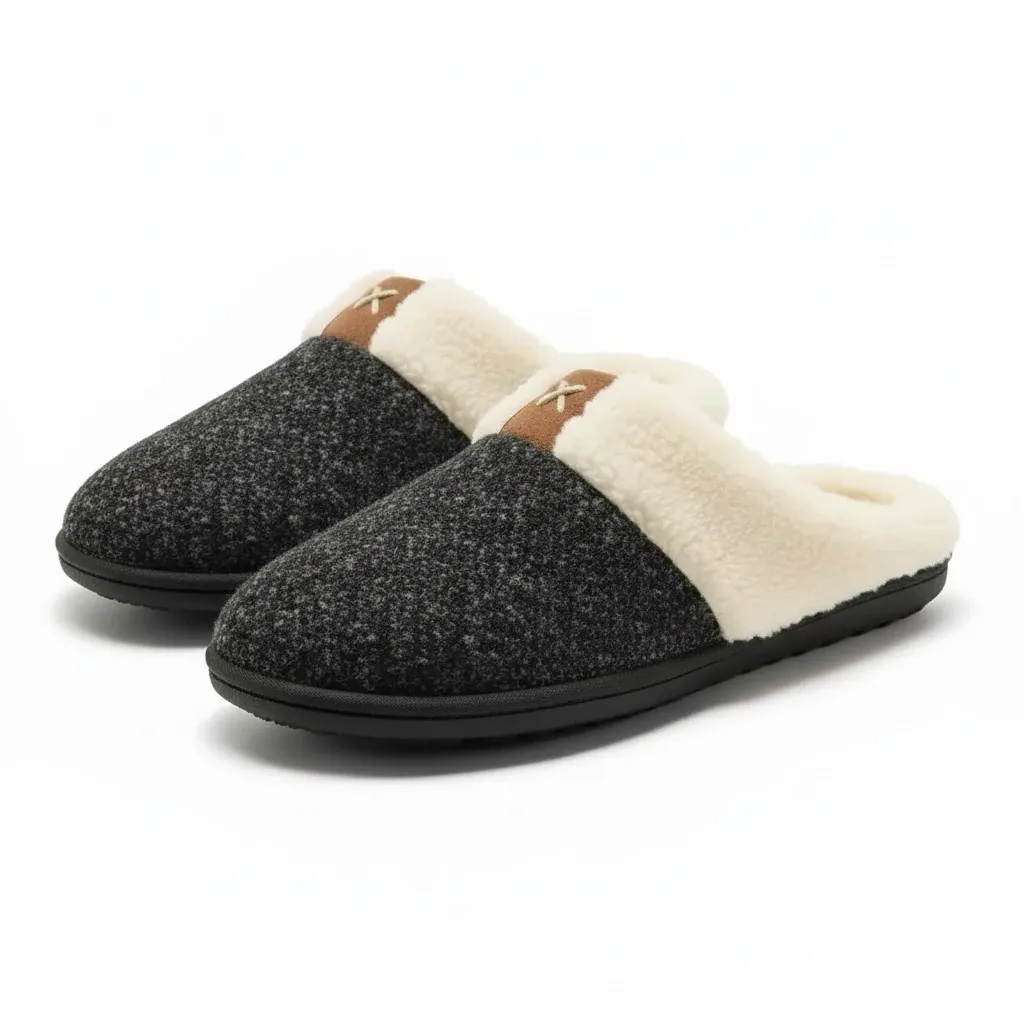
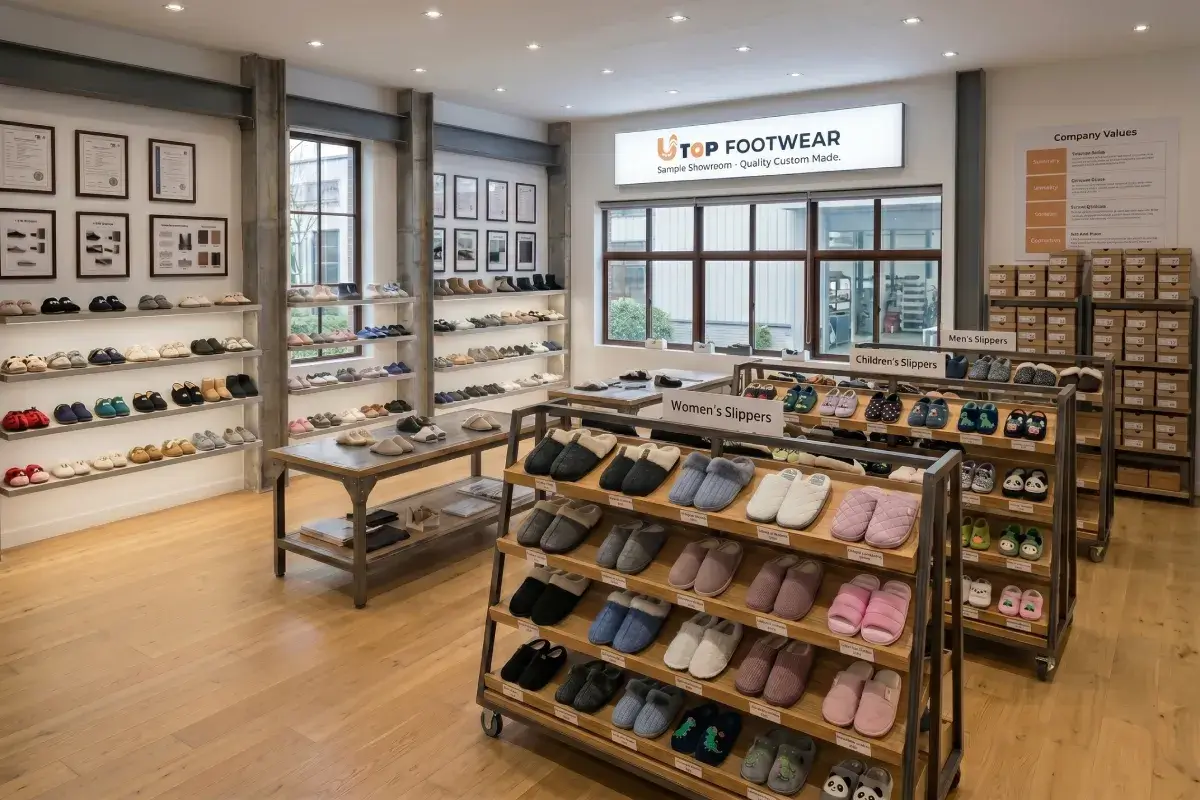
Women’s slippers represent Utop’s broadest and most developed product category. The range covers dependable indoor basics, plush winter house shoes, lightweight warm-season styles, novelty products, gift-ready designs, and private label collections for different retail channels.
For wholesale buyers, this breadth makes it possible to build a focused core range or a more complete seasonal program from one product category. Existing products can be used as reference styles, while suitable materials, colors, sizes, decorative details, branding, outsoles, and packaging can be reviewed during OEM/ODM development.
| Women’s slipper range |
Typical role in a collection |
Main details to confirm |
| Women’s Indoor Slippers |
Core homewear, retail, wholesale, gift, and private label programs |
Open-back or closed-back structure, coverage, lining, cushioning, fit, size ratio, and outsole construction |
| Women’s 3D Animal Slippers |
Novelty retail, online collections, gifting, and seasonal promotions |
Character proportions, embroidery, raised components, attachment, pair consistency, fit, and packing recovery |
| Women’s Summer Slippers |
Warm-season homewear, lighter retail ranges, and travel-oriented programs |
Open-toe or cross-band coverage, upper material, footbed, flexibility, color plan, fit, and compact packing |
| Women’s Ballerina Slippers |
Soft indoor, gift, travel, and compact retail collections |
Opening shape, elastic or binding, toe room, heel fit, sole structure, decoration, folding, and presentation |
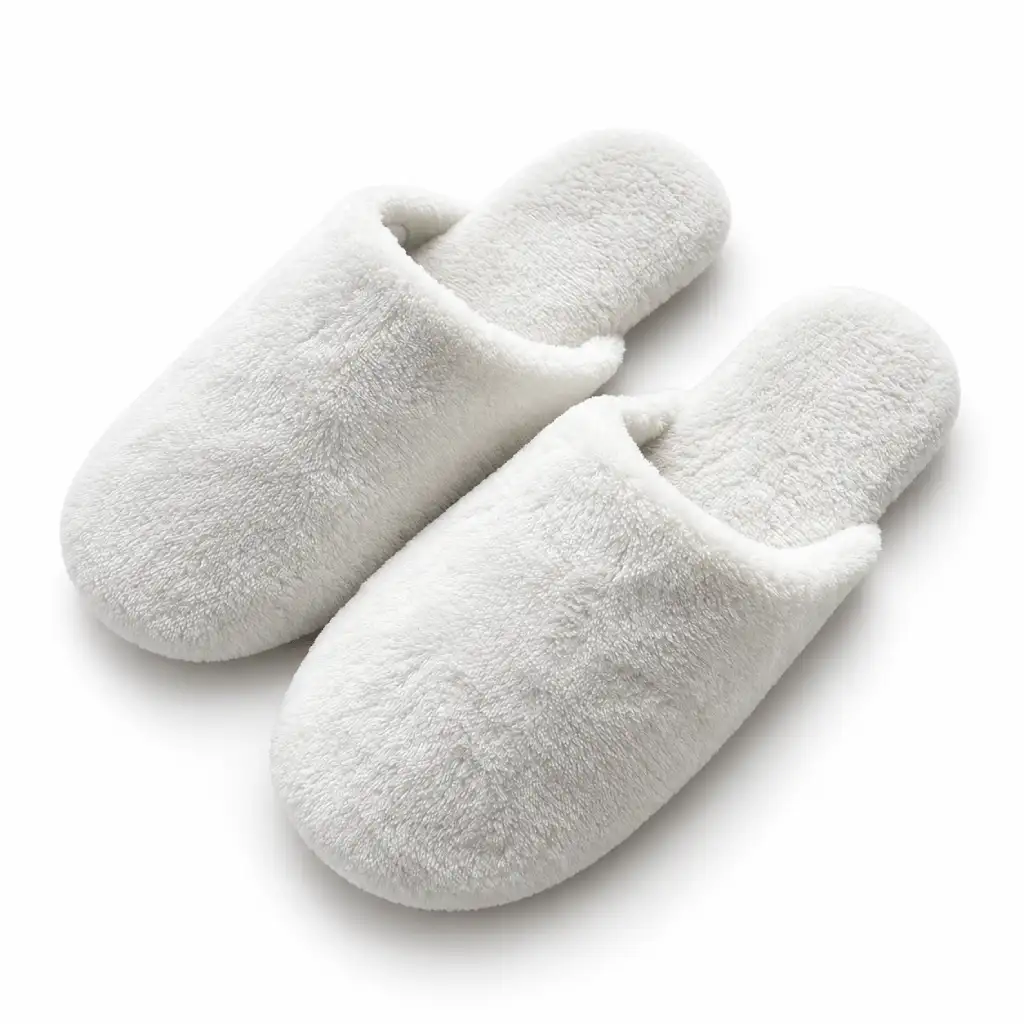
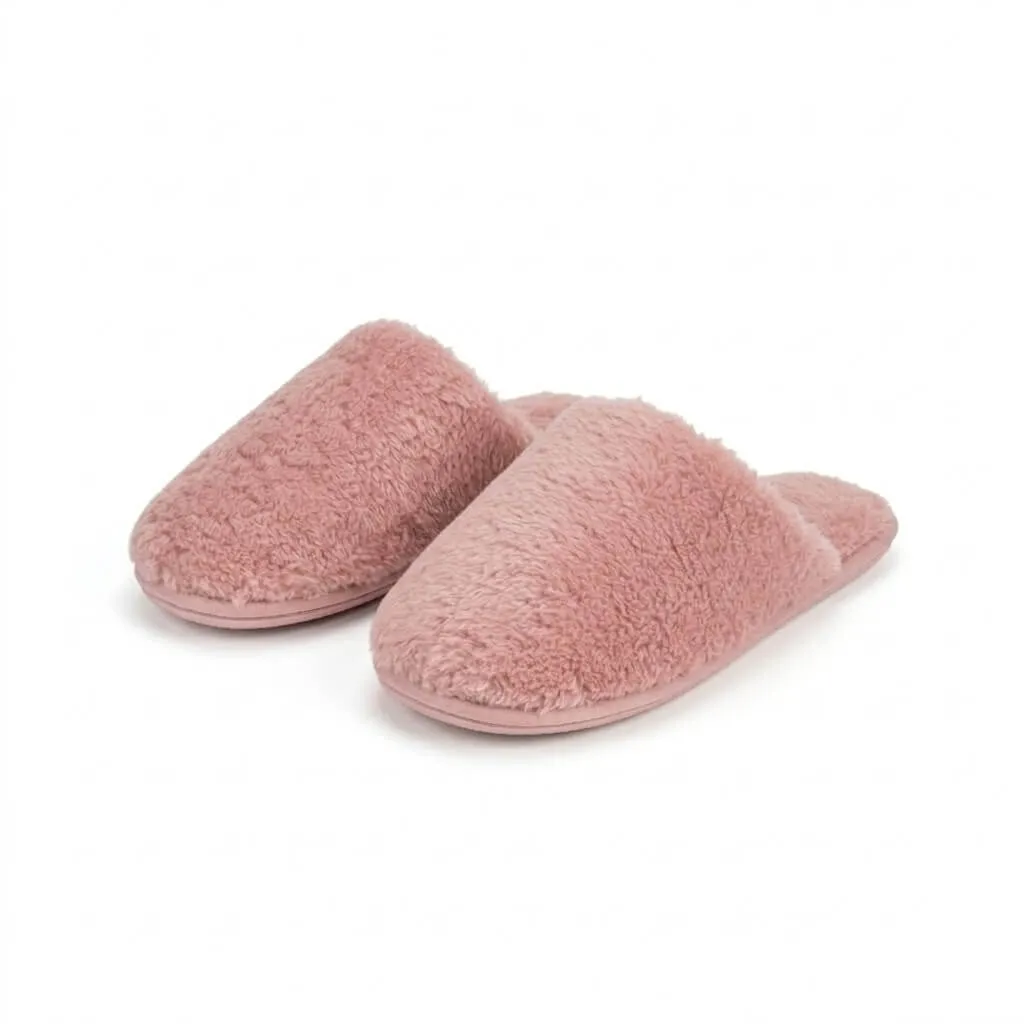
| Plush and Fleece-Lined House Slippers |
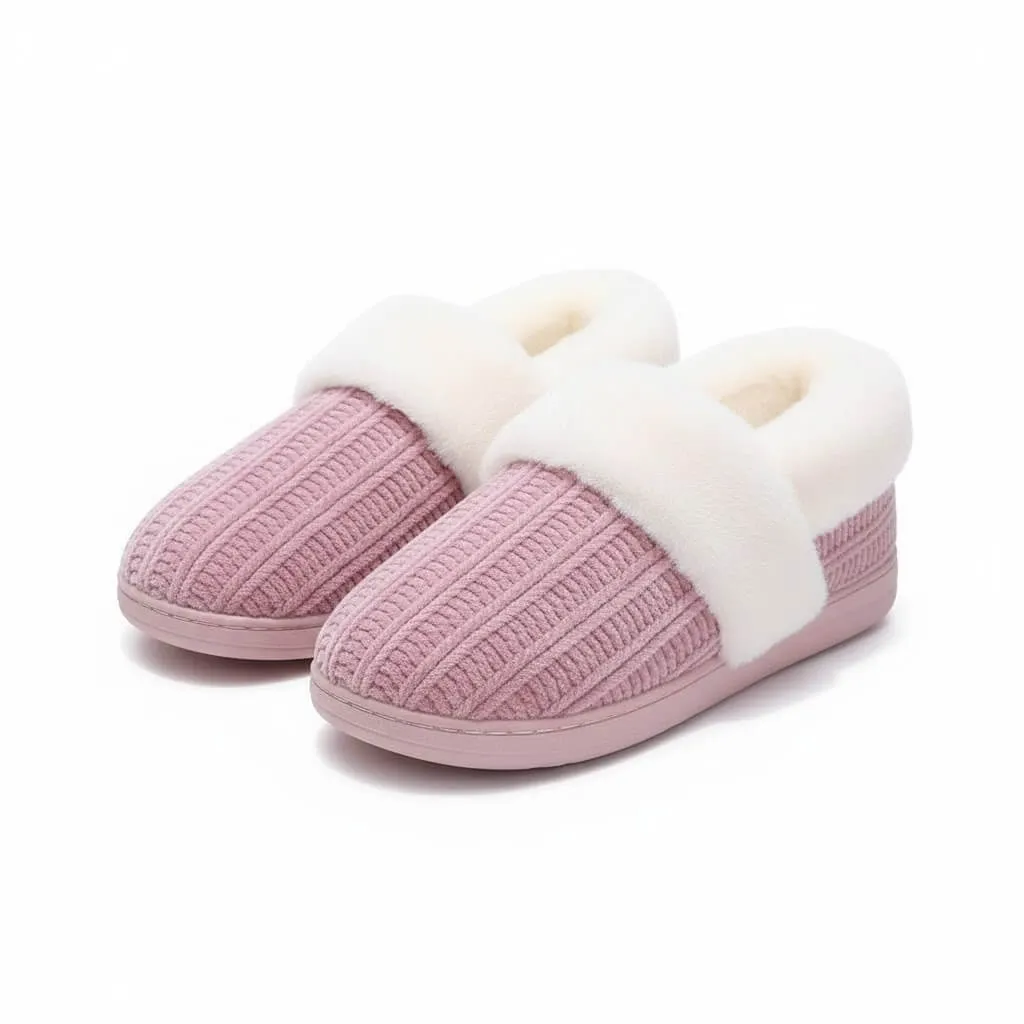
Autumn, winter, comfort-led, and gifting ranges |
Plush type, pile direction, lining volume, internal space, pair weight, branding, shape recovery, and carton volume |
Build a Commercial Women’s Slipper Collection
A strong women’s slipper program does not need every available style. Buyers can begin with a focused core range and add seasonal or higher-visual-impact products according to the target customer, climate, sales channel, intended price position, and order plan.
- Core styles: repeatable indoor slippers in practical colors for continuous retail and wholesale programs
- Seasonal styles: plush, fleece-lined, holiday, winter, open-toe, or lighter warm-season products
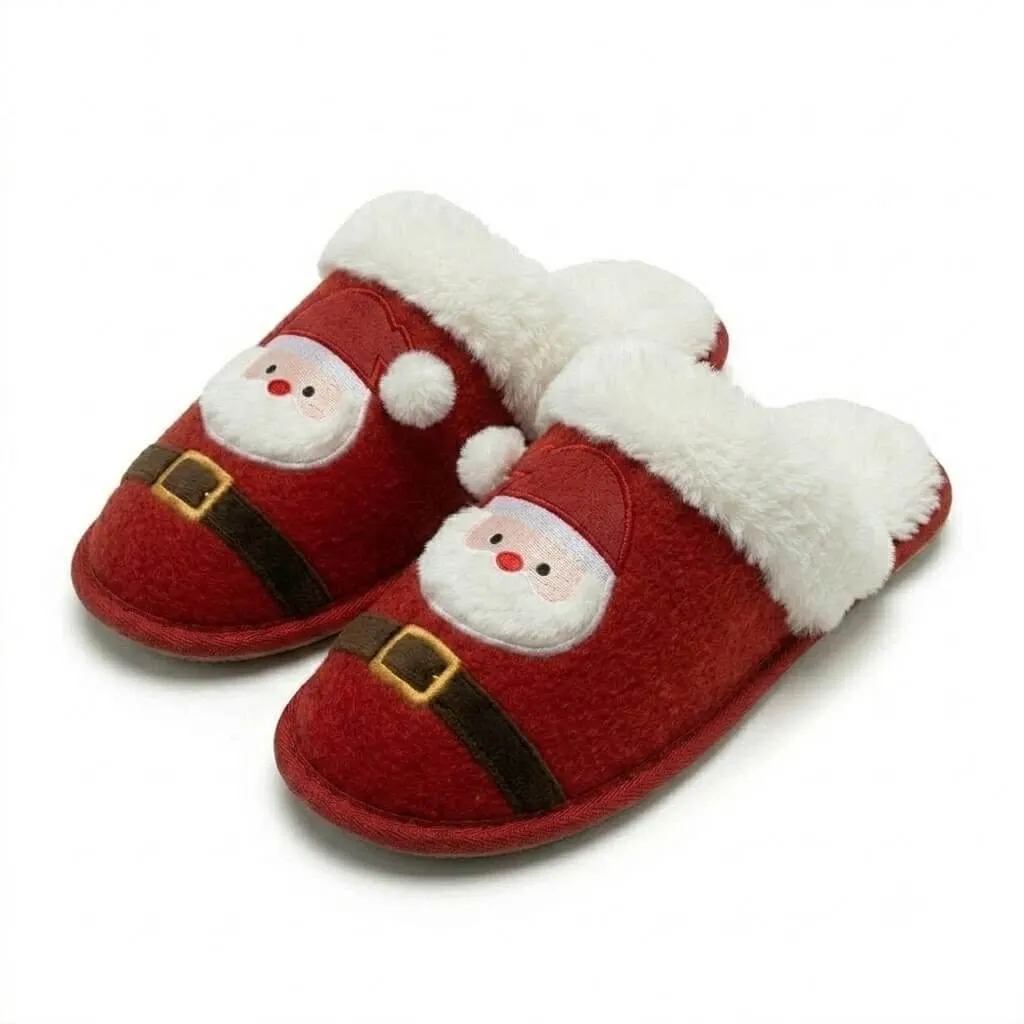
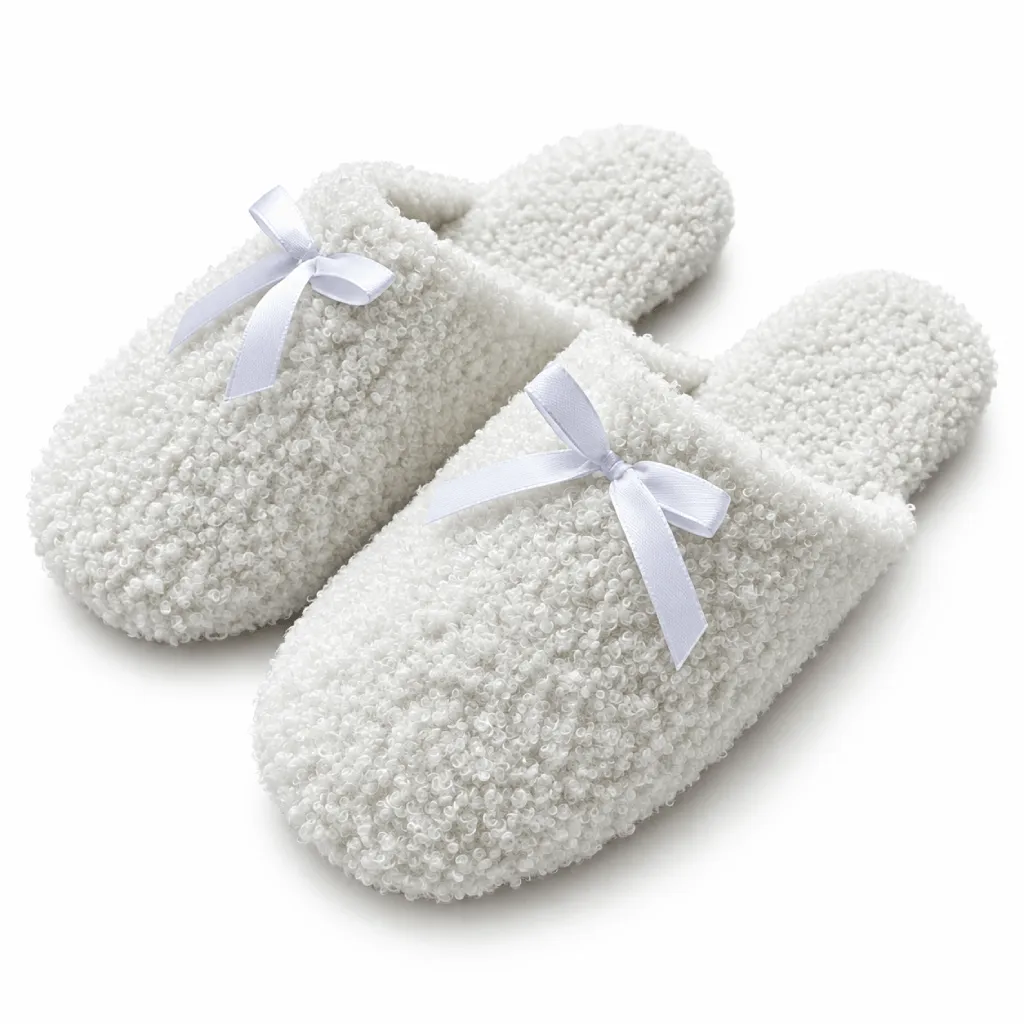
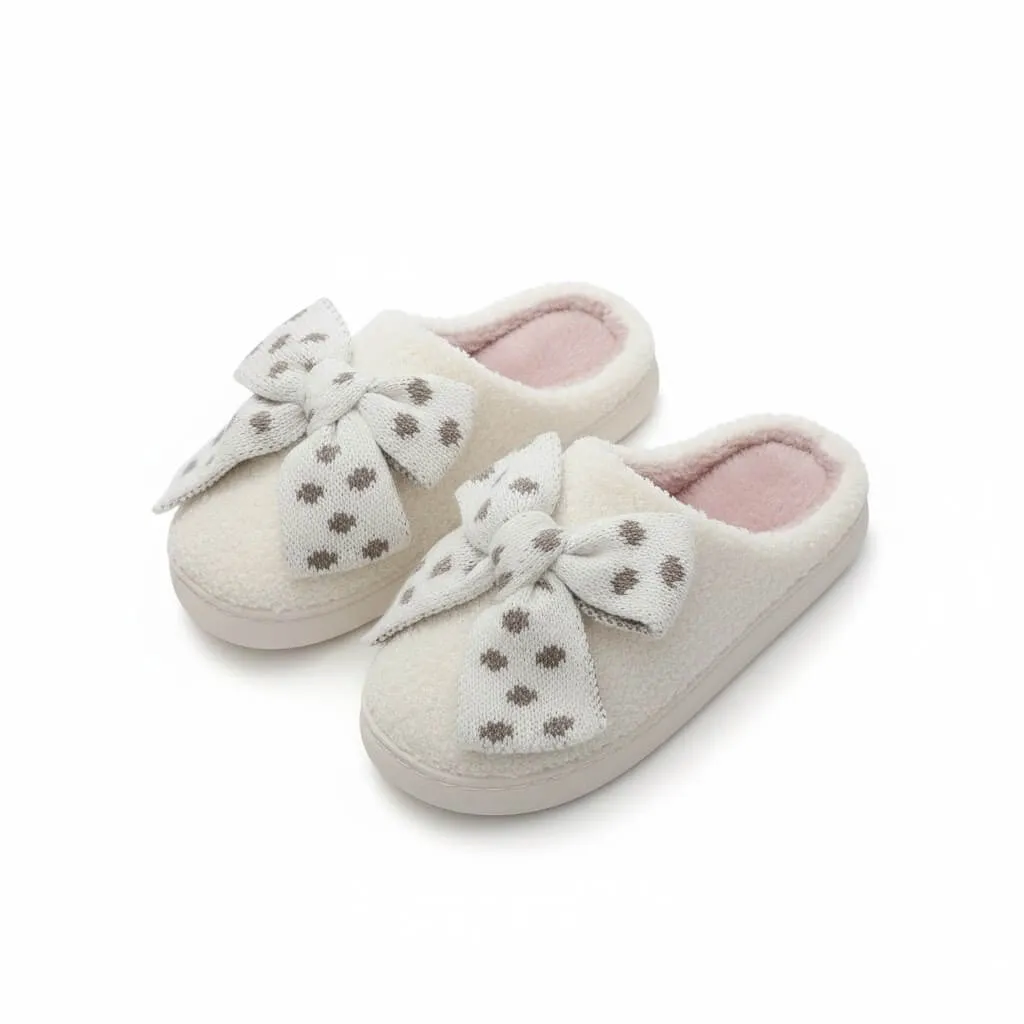
- Gift styles: decorative trims, bows, embroidery, animal shapes, coordinated colors, and gift-ready packaging
- Online retail styles: distinctive materials, colors, silhouettes, or details that remain clear in product photography
- Private label styles: products developed around a defined brand color, logo method, size plan, and retail presentation
- Collection extensions: selected variations that share materials, colors, packaging, or construction with the main range
Maintaining shared materials, color families, branding, and packaging across related styles can create a more coherent collection. It can also simplify approval and production planning compared with dividing an order among too many unrelated low-volume variations.
Compare Materials, Comfort, and Outsole Construction
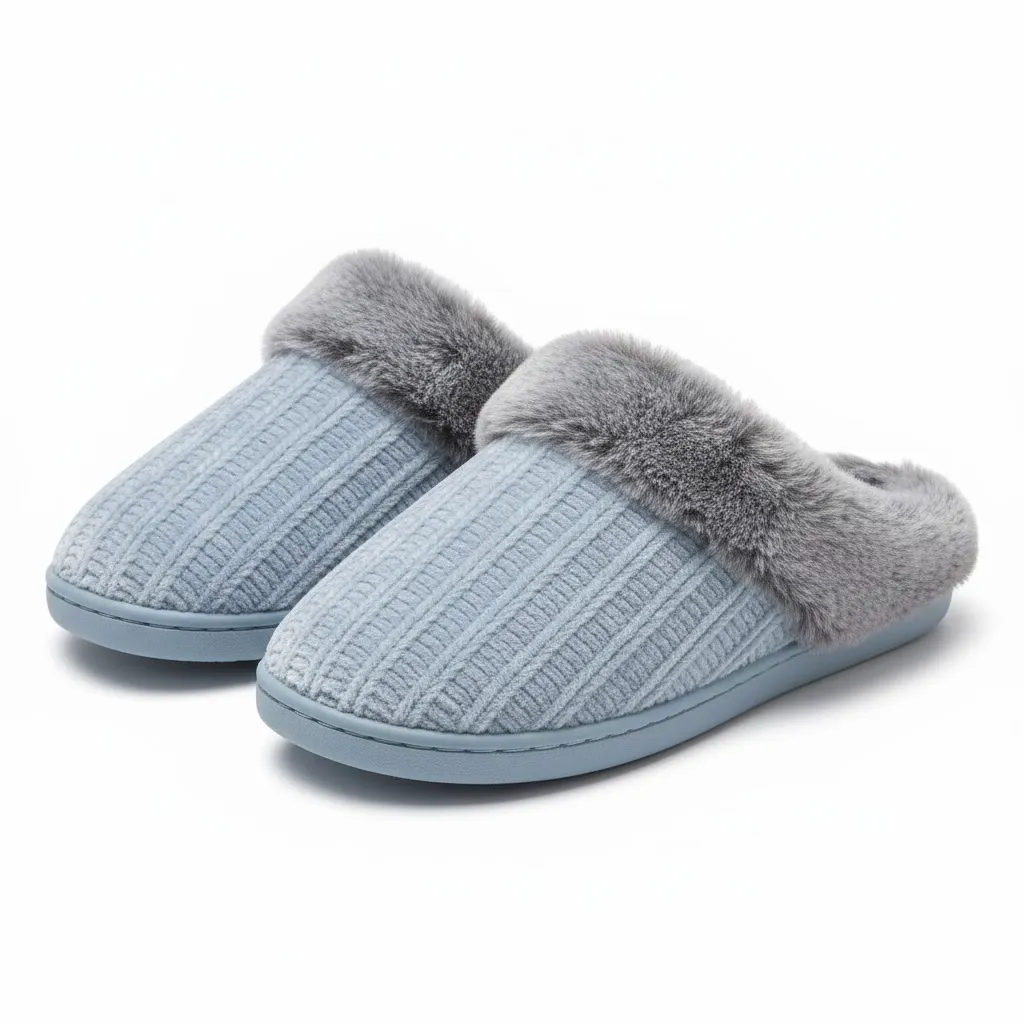
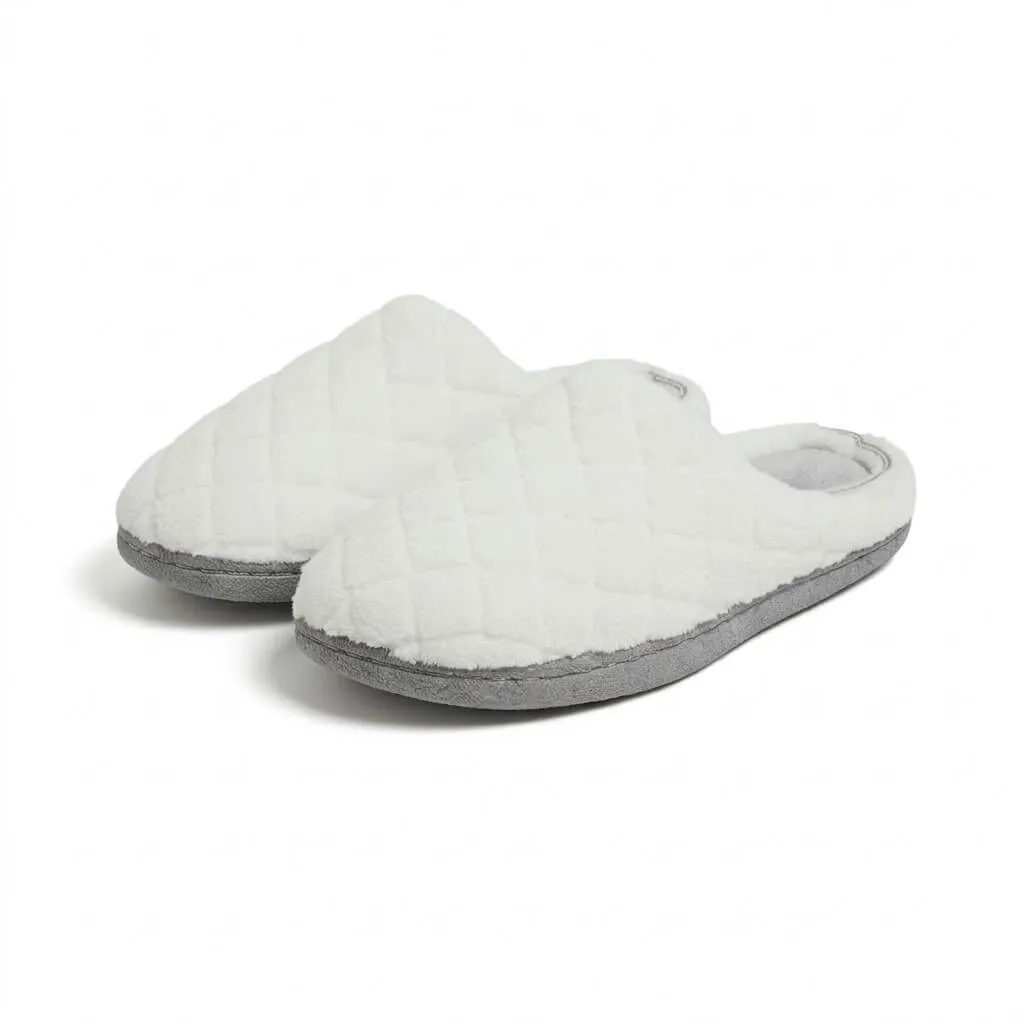
Women’s slipper collections can use a wider range of surface materials and decorative treatments than a basic stock program. Available directions may include plush, teddy fleece, faux fur, short-pile textiles, knit, jersey, chenille, velvet, corduroy, felt, faux suede, nylon, and other materials suitable for the confirmed design.
Material selection should be reviewed beyond color and hand feel. Buyers should confirm pile direction, backing stability, stretch, cutting direction, panel alignment, seam stability, lining compatibility, logo clarity, shade consistency, pair matching, and recovery after packing.
| Component |
Possible direction |
Buyer review points |
| Upper |
Plush, fleece, knit, jersey, velvet, corduroy, felt, faux suede, chenille, or another confirmed textile |
Appearance, structure, stretch, surface direction, sewing stability, branding, color, and repeatability |
| Lining |
Light textile, fleece, plush, or another material suitable for the target season and construction |
Thickness, internal volume, seam feel, color, fit, and compatibility with the upper |
| Cushioning and footbed |
Specified foam combination and footbed cover according to the target product |
Thickness, feel, recovery, fit effect, surface finish, and consistency across sizes |
| Outsole |
TPR, EVA, or another structure suitable for the confirmed design |
Material formulation, hardness, thickness, tread, weight, flexibility, attachment, and intended conditions of use |
TPR and EVA should not be treated as universally interchangeable or as automatically better or worse than one another. Practical performance depends on formulation, thickness, hardness, tread, construction, floor conditions, order specification, and any agreed test method.
- Molded TPR can provide a defined outsole profile, sidewall, and tread design.
- Cut EVA can support lightweight and flexible indoor constructions.
- Welt-stitched styles may use TPR or EVA according to the confirmed design.
- Side-stitched styles commonly use TPR outsoles.
- Cold-glued constructions commonly use EVA; other combinations require suitable surface treatment, adhesive, and pressing.
If slip resistance, abrasion, chemical compliance, or another measurable property is required, the destination-market test method and acceptance standard should be agreed before production. Performance should not be assumed from a material name alone.
Confirm Women’s Fit, Size Grading, and Order Ratios
Women’s slipper fit cannot be judged from outsole length alone. Upper coverage, opening shape, toe profile, heel treatment, lining thickness, cushioning, seam allowance, material stretch, binding or elastic, and the upper-to-sole connection all influence usable internal space.
The requested EU, US, or UK size system and quantity ratio for each size should be confirmed before quotation and production planning. Thickly lined, elasticated, low-cut, or heavily cushioned styles should be approved as complete fitted samples rather than assessed only from a conversion chart.
- Internal length and width across representative sizes
- Opening dimensions, instep coverage, and ease of entry
- Toe room, heel position, and edge pressure
- The effect of plush, fleece, foam, elastic, or binding on fit
- Outsole length, width, flatness, and left-right matching
- Fit consistency in the smallest, middle, and largest requested sizes
- Size labels, barcode information, packing order, and quantity ratio by size
Plan OEM/ODM, Branding, and Retail Packaging Together
Existing products can be used as reference directions for OEM/ODM and private label development. Available adjustments depend on product construction, material availability, technical requirements, size assortment, branding method, packaging, quantity, and the approved sample.
- Upper, lining, binding, footbed, cushioning, and outsole specifications
- Core colors, seasonal colors, contrast details, prints, and retailer-specific color standards
- Women’s size range, grading, and order ratio by size
- Embroidery, woven or printed labels, insole branding, patches, and other suitable logo methods
- Bows, appliqués, trims, raised features, and other decorative elements where suitable
- Hang tags, size labels, barcode labels, polybags, inserts, pouches, boxes, and display packaging
- Pair orientation, size sorting, carton quantities, carton marks, and destination requirements
Logo and decoration methods should be approved on the actual production material. Fine artwork may lose clarity on long-pile plush, while embroidery, patches, labels, or printing can create different results on knit, velvet, faux suede, and smooth textiles.
Packaging should be reviewed at the same time as the product. Plush surfaces, bows, embroidery, animal features, and structured uppers may be affected by compression. The final packing method should balance retail presentation, product protection, carton efficiency, and recovery after unpacking.
Use the Approved Sample as the Bulk Quality Standard
A good development sample is only the beginning. The approved physical sample and written specification should be used together as the reference for material preparation, production, inspection, packing, and final order review.
Before bulk production, confirm:
- Overall shape, measurements, fit, size grading, and pair consistency
- Upper, lining, cushioning, binding, decoration, and outsole specifications
- Material surface, pile direction, color, print, embroidery, and logo placement
- Seam quality, component attachment, and upper-to-sole connection
- Left-right decoration position and character symmetry where applicable
- Individual packing, labels, barcodes, retail presentation, and carton information
- Product appearance and shape recovery after the proposed packing method
Bulk reviews can cover incoming materials, measurements, stitching, appearance, pair matching, logo and decoration consistency, outsole attachment, labels, packing, carton marks, and final quantities according to the approved order requirements.
Women’s Slipper Sourcing Resources
Use these guides to review the main product and sourcing decisions in greater detail:
- Wholesale Women’s Slippers: 7 Smart Sourcing Tips
Review women’s slipper materials, sizing, branding, packaging, sampling, and supplier evaluation.
- Plush Slippers Wholesale Guide
Compare plush types, pile, backing, construction, fit, branding, packaging, and bulk consistency.
- TPR vs EVA Sole for Slippers
Understand how formulation, construction, weight, flexibility, tread, and intended use affect outsole selection.
- Private Label Indoor Slippers Manufacturing Guide
Plan product specifications, logo application, packaging, sample approval, and bulk production requirements.
- Common Indoor Slipper Manufacturing Defects
Review common risks involving cushioning, outsole attachment, plush finishing, decoration, and bulk consistency.
Request a Wholesale Women’s Slipper Quotation
Send Utop the preferred product links or SKUs, reference images, estimated quantity, target market, size range and ratio, colors, materials, logo file, packaging requirements, destination market, and requested delivery schedule.
Our team will review the product direction, construction, customization requirements, sampling needs, production feasibility, and quotation details before the project moves forward.
Discuss Your Women’s Slipper Program
FAQ for Wholesale and Custom Women’s Slippers
What types of women’s slippers can Utop manufacture?
Utop supports open-back and closed-back indoor slippers, plush and fleece-lined house shoes, knit and textile styles, warm-season slippers, ballerina-style indoor slippers, 3D animal slippers, novelty products, and other suitable OEM/ODM directions.
Why is women’s footwear a core category for Utop?
Women’s slippers are Utop’s broadest and most developed product category. The range covers multiple materials, constructions, seasons, decorative directions, size requirements, retail channels, and packaging formats for wholesale and private label programs.
Can an existing women’s slipper be customized?
Yes. Existing products can be used as reference styles. Depending on the construction and order requirements, buyers can discuss materials, colors, sizes, cushioning, outsoles, logos, labels, decorations, and packaging.
Can Utop develop an original women’s slipper design?
Buyers can submit original artwork, reference images, product specifications, or a design brief for feasibility review. Third-party characters, logos, and protected designs should only be used when the buyer owns or is authorised to use them.
How should women’s slipper sizing be confirmed?
Confirm the required EU, US, or UK size system, internal measurements, opening, toe room, heel position, lining volume, representative fitted samples, size grading, and quantity ratio. Thick lining, foam, elastic, and low-cut patterns can change the final fit.
Can logos and retail packaging be customized?
Available options may include embroidery, woven or printed labels, insole branding, patches, hang tags, barcode labels, polybags, inserts, pouches, boxes, display packaging, and custom carton marks. The suitable method depends on the product and order plan.
How is the MOQ determined?
MOQ depends on construction, material purchasing requirements, number of colors, size assortment, logo or decoration method, packaging, and customization level. Share the intended product and order plan so Utop can review a suitable production solution.
What information should I provide for a quotation?
Provide the preferred product link, SKU, or reference image; estimated quantity; target market; size range and ratio; materials; colors; logo file; packaging requirements; destination market; and requested schedule.



United States