Develop Women’s 3D Animal Slippers for Retail Collections
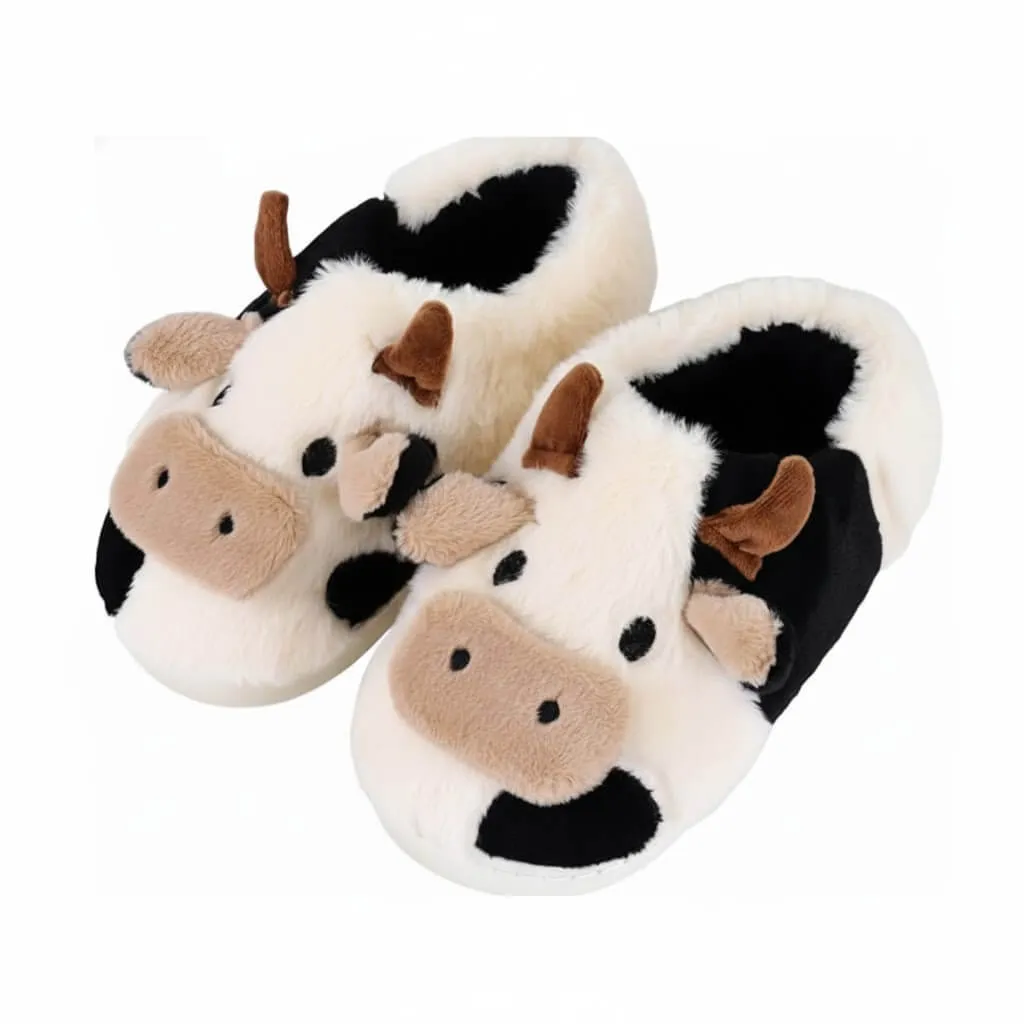
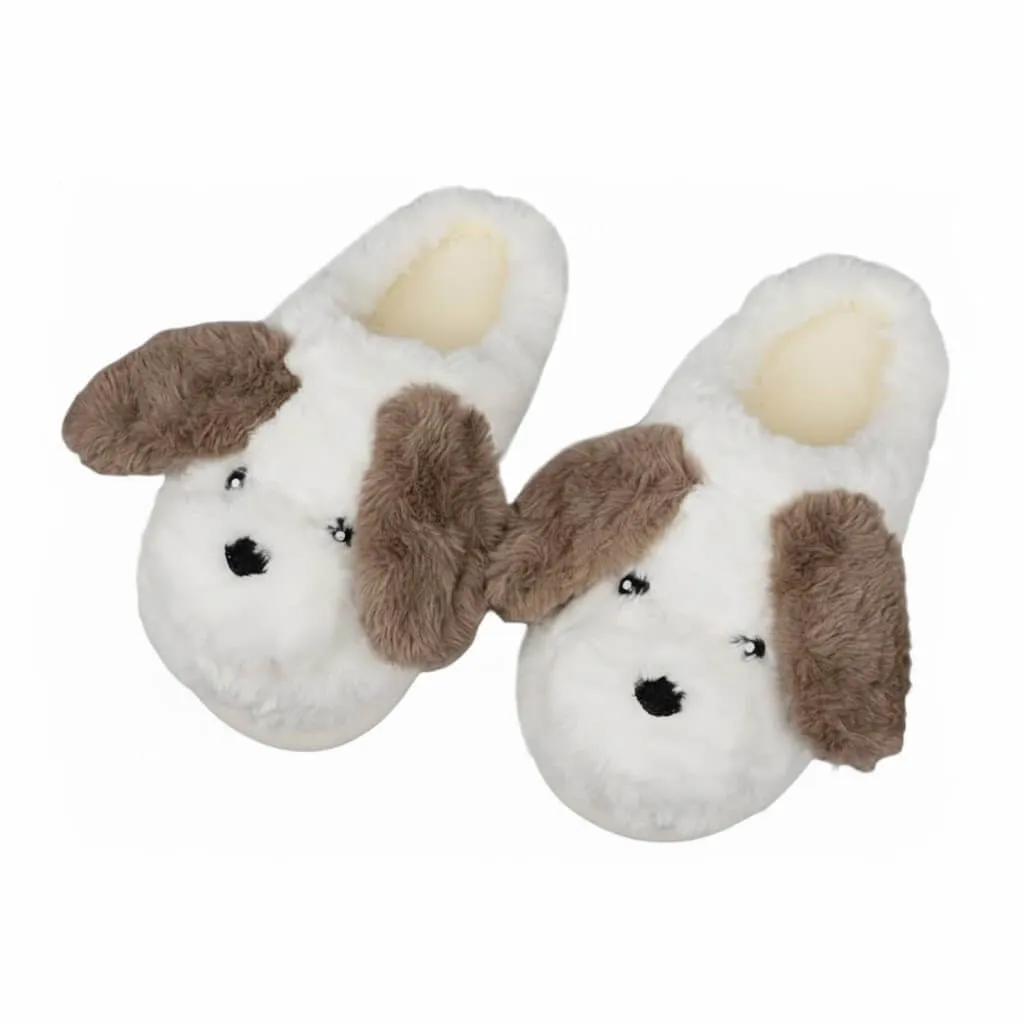
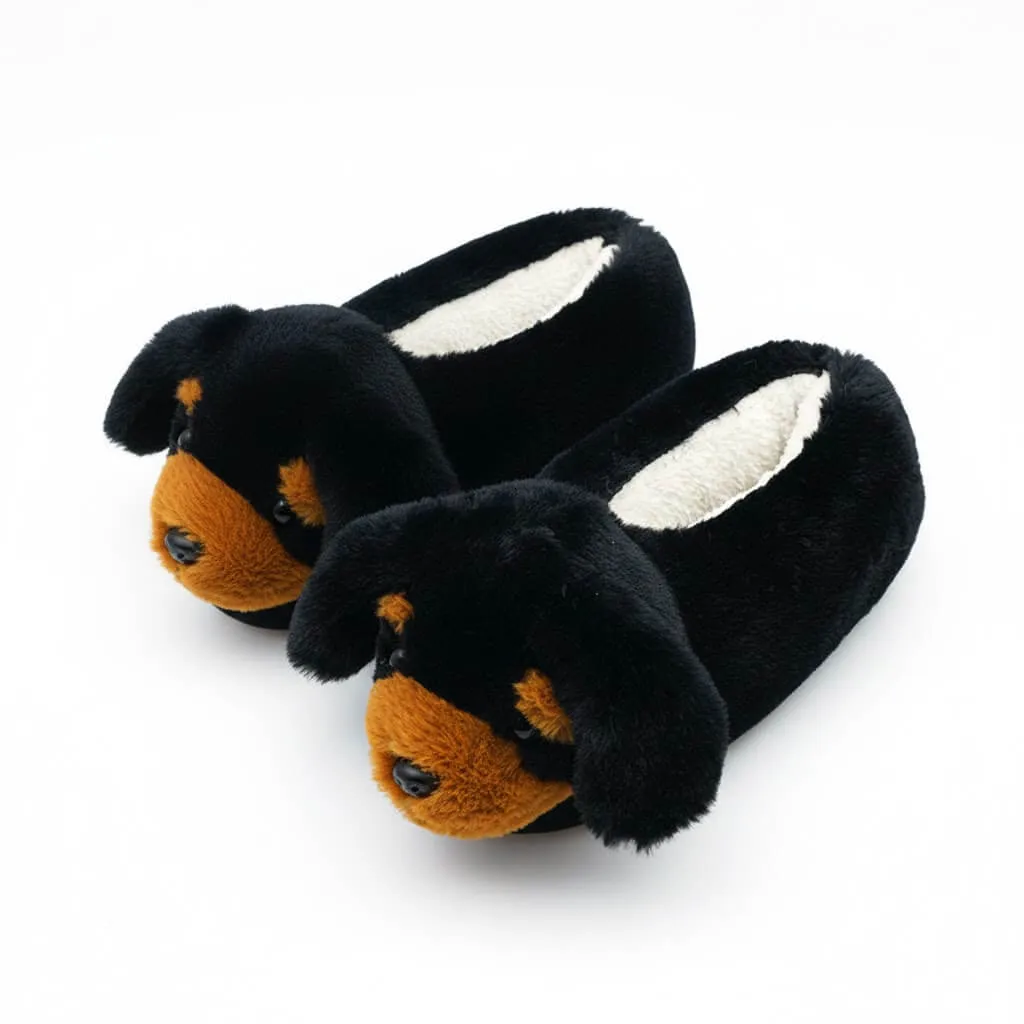
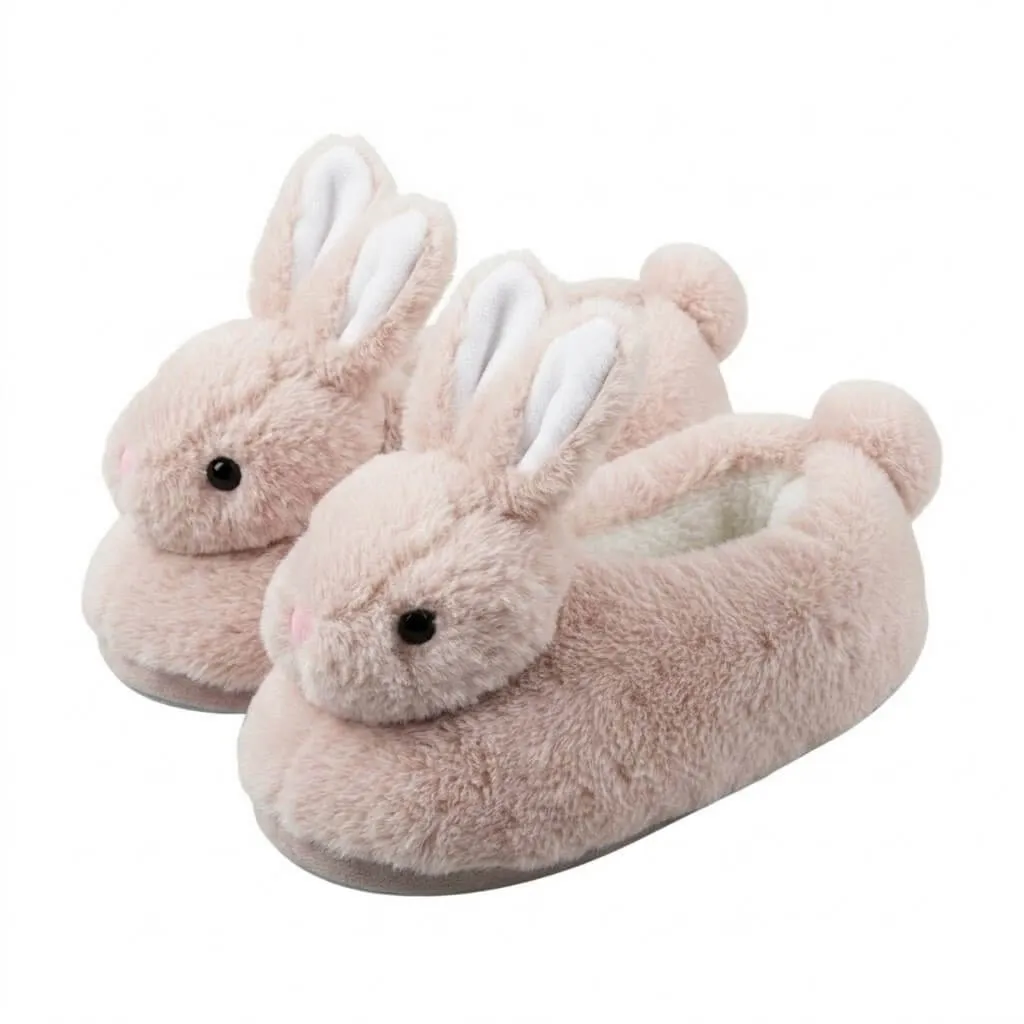
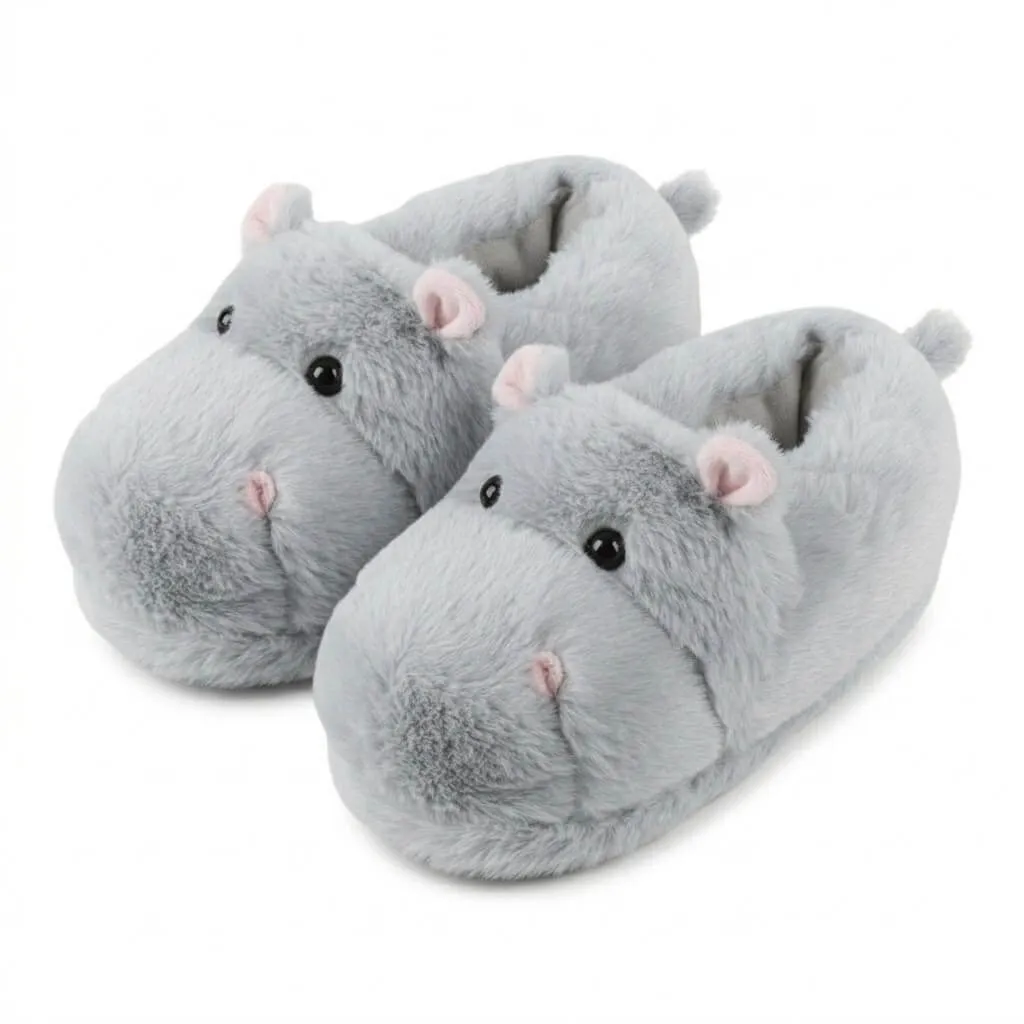
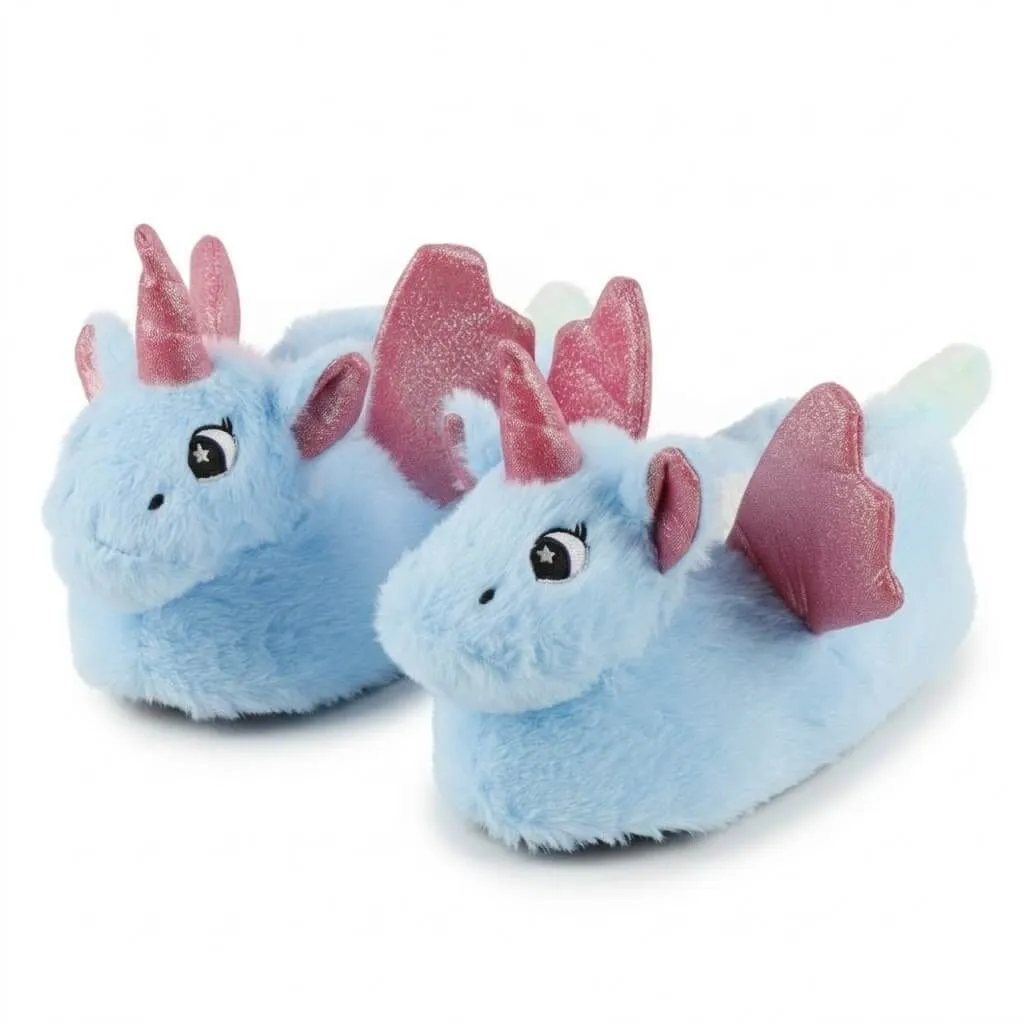
Animal slippers combine footwear fit with a recognisable character shape. A successful bulk program must balance the visual concept with repeatable sewing, component attachment, pair matching, wearing comfort, packaging, and shape recovery.
| Development area |
Why it matters |
What to approve |
| Character proportions |
Defines recognition and shelf appeal |
Front, side, and top views; symmetry; scale; and placement |
| Face and surface details |
Affects expression and bulk consistency |
Embroidery artwork, colors, stitch density, appliqué edges, and alignment |
| Stuffed or raised components |
Influences shape, attachment reliability, and packing |
Material, filling, seam method, attachment points, and recovery after compression |
| Fit and sole |
Keeps the novelty design wearable |
Opening, toe room, lining volume, cushioning, size grading, and outsole construction |
Browse the wider women’s slipper range for less decorative indoor, summer, and ballerina alternatives.
Use Original Artwork and Production-Ready Specifications
Buyers can start from an existing reference direction or submit original artwork. Character development should use artwork the buyer owns or is authorised to use; third-party characters, logos, or protected designs should not be copied without permission.
- Front, side, top, and rear design views
- Color references and material direction
- Embroidery, appliqué, ears, tails, bows, or other components
- Component dimensions, position, filling, and attachment method
- Women’s size range, size ratio, and fit expectation
- Logo, labels, hang tags, retail packaging, and carton marks
A simplified construction may improve repeatability without losing the intended character. This should be agreed during sampling, not changed after artwork approval.
Confirm Materials, Fit, and Packing Recovery
Plush, fleece, short-pile textiles, and other suitable fabrics can create different surfaces and levels of structure. Review pile direction, shade, panel shape, embroidery visibility, seam stability, lining compatibility, and pair matching on the physical sample.
Raised features and thick uppers can affect internal space and carton volume. Approve representative sizes, check that decorative features do not obstruct entry or fit, and review the product after the proposed packing and recovery process.
- Character symmetry and left-right pair consistency
- Seams and attachment of raised components
- Internal length, width, opening, toe room, and lining volume
- Outsole connection, flatness, and agreed tread direction
- Shape recovery and presentation after individual and carton packing
Approve the Sample Before Bulk Production
The approved sample and written specification should define the character artwork, material standards, colors, components, fit, sizes, outsole, branding, labels, individual packing, carton quantities, and marks. Bulk inspection can then compare production against one documented reference.
If a buyer requires component pull strength, slip resistance, chemical compliance, or another measurable property, agree on the destination-market test method and acceptance criteria before production.
Women’s Animal Slipper Development Resources
These guides provide additional detail about plush materials, branding, packing, and production risk control:
- Plush Slippers Wholesale Guide
Review plush types, pile direction, backing, fit, logo clarity, packaging compression, and bulk material consistency.
- Common Indoor Slipper Manufacturing Defects
Review common risks involving seams, plush finishing, embroidery, decoration, outsole attachment, and bulk workmanship.
For less decorative indoor, warm-season, and ballerina-style products, explore Utop’s full wholesale women’s slipper collection.
Request a Custom Women’s Animal Slipper Review
Send the preferred SKU or original artwork, quantity, size plan, colors, materials, branding, packaging, destination market, and requested schedule.
Discuss Your 3D Animal Slipper Design
FAQ About Women’s 3D Animal Slippers
Can Utop develop an original animal character?
Yes. Buyers can provide original artwork or a design brief for feasibility review. Final options depend on the required shape, materials, components, sizes, quantity, and packaging.
Can I use a famous cartoon character?
Only when you own the intellectual property or have permission to use it. Utop should not reproduce third-party characters or logos without documented authorisation.
How are 3D parts reviewed?
The sample should confirm proportions, seams, attachment points, filling, pair consistency, fit, and shape recovery after packing. Required tests should be defined by method and acceptance standard.
What should I send for a quotation?
Provide artwork or a product reference, estimated quantity, size range and ratio, colors, materials, component details, logo, packaging, destination market, and requested schedule.
How should animal slippers be reviewed after packing?
Use the proposed individual and carton packing method to check pile compression, raised parts, ears, tails, appliqués, embroidery, pair orientation, and shape recovery after unpacking.
Can the same character be developed in several colors or sizes?
Yes, subject to feasibility and order planning. Each variation should retain approved proportions, embroidery placement, component attachment, fit, pair consistency, and packaging presentation.



United States