Choose Women’s Indoor Slippers by Style and Season
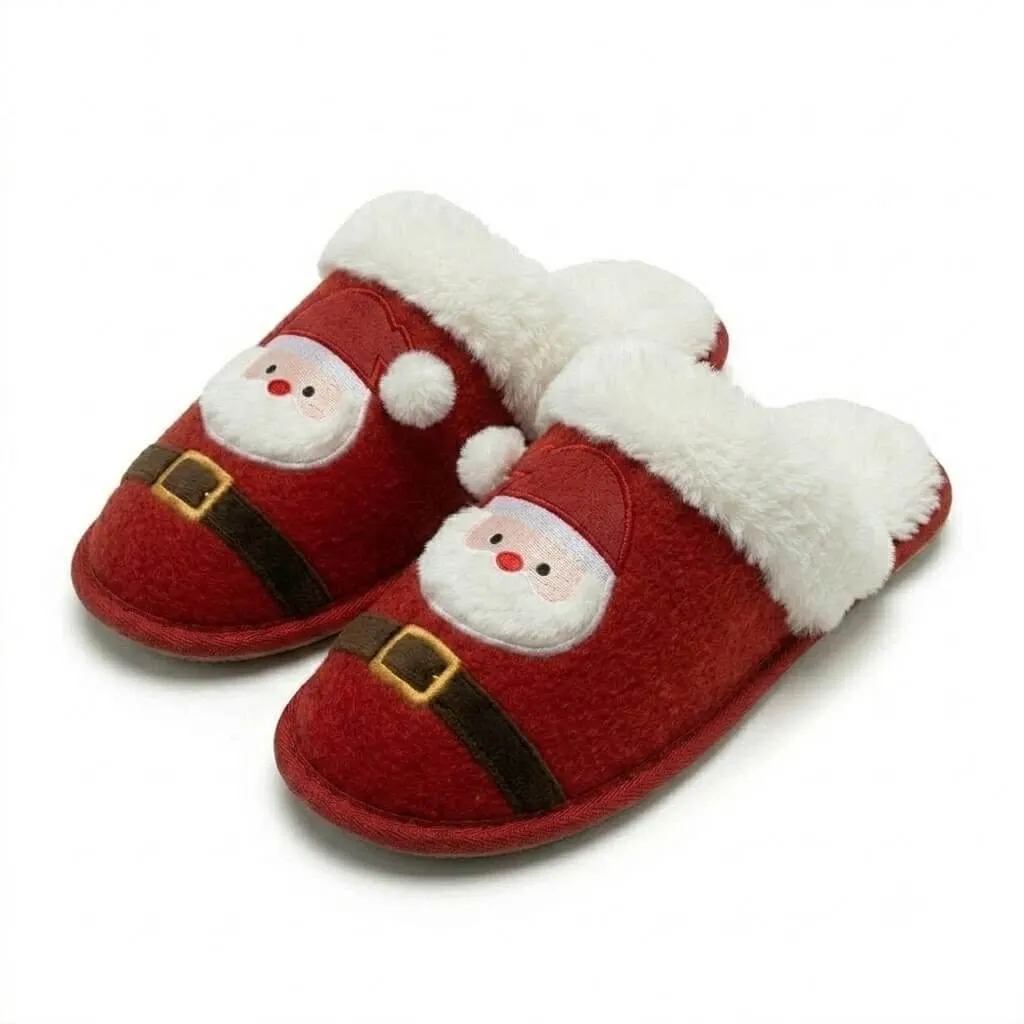
A balanced indoor collection may combine easy-entry core styles with warmer or more structured seasonal options. The assortment should reflect the target customer, climate, sales channel, price position, fit expectation, and retail packaging.
| Style direction |
Typical use in a range |
Buyer checks |
| Open-back and scuff slippers |
Core homewear and year-round retail |
Instep coverage, entry space, footbed feel, fit stability, and outsole |
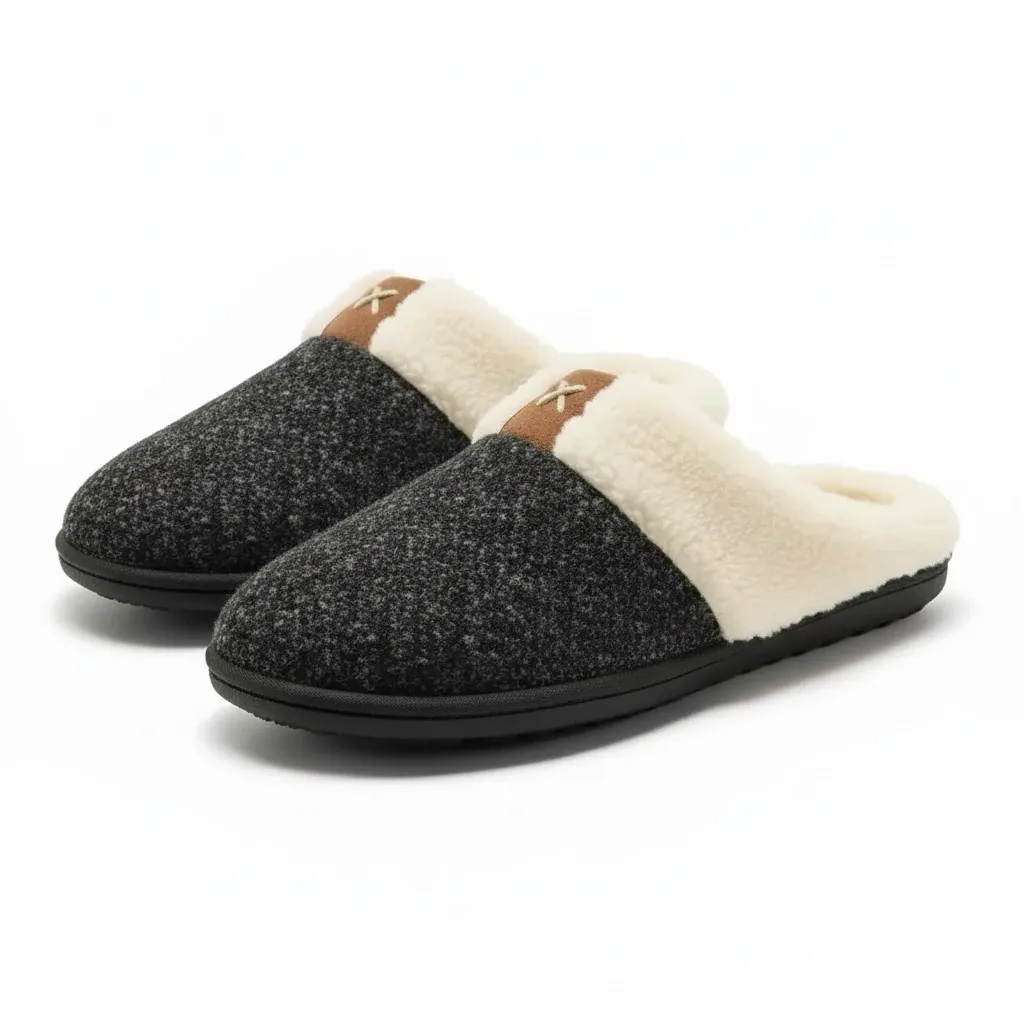
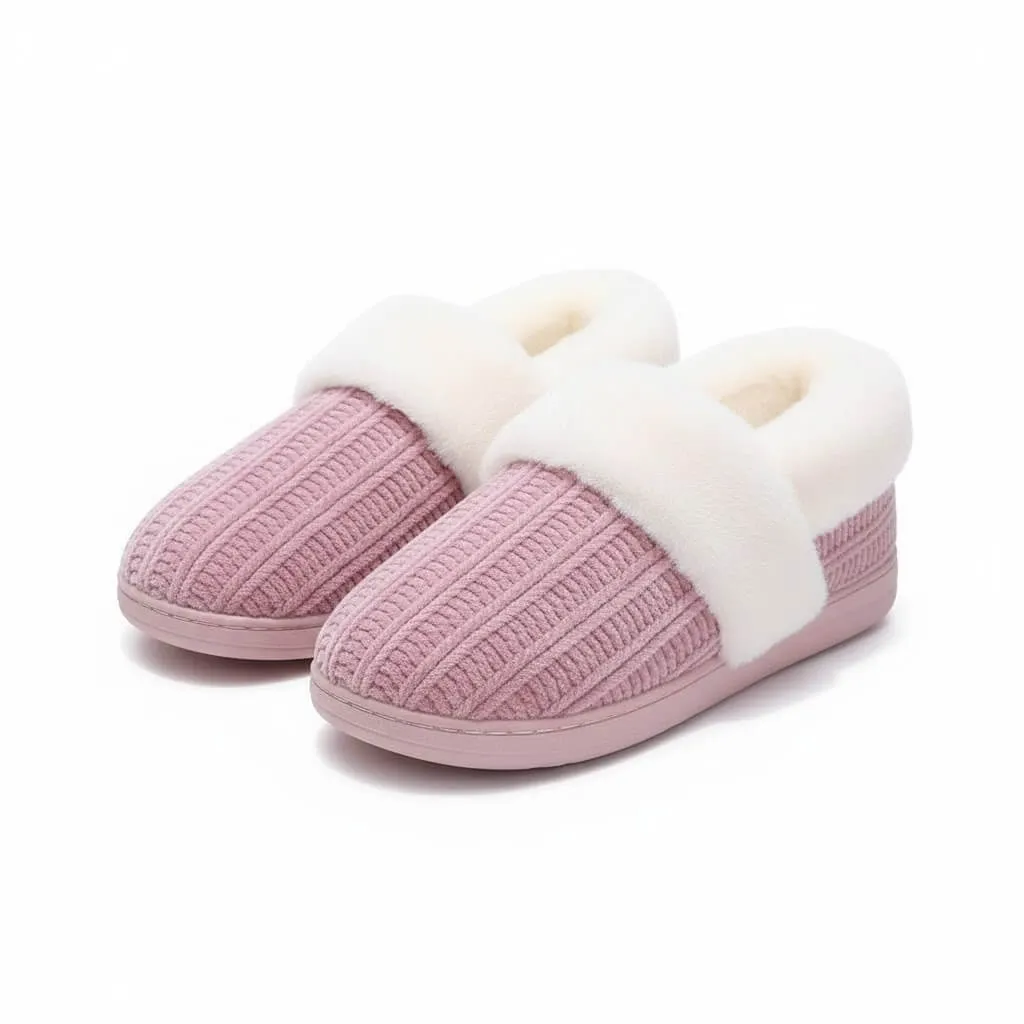
| Closed-toe or closed-back house shoes |
Autumn, winter, and greater-coverage ranges |
Opening width, toe room, heel shape, lining volume, and internal width |
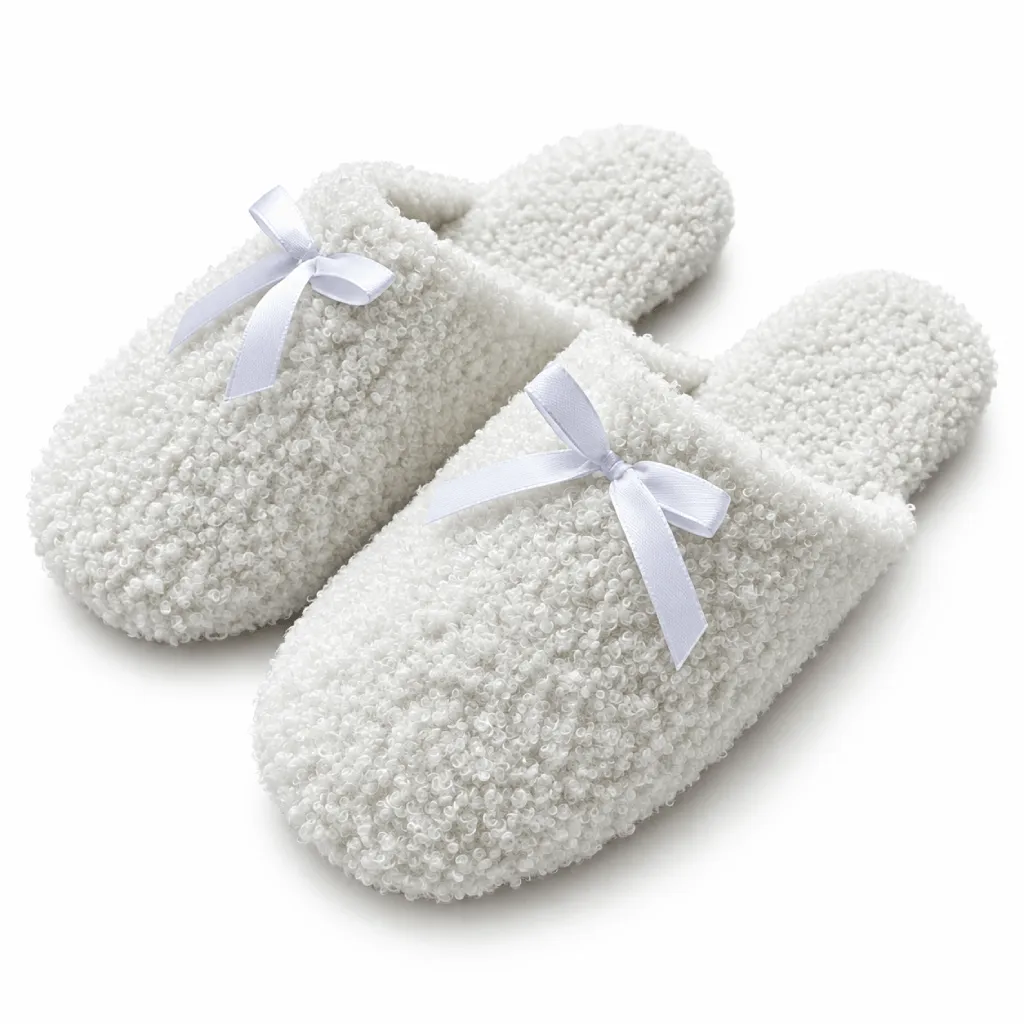
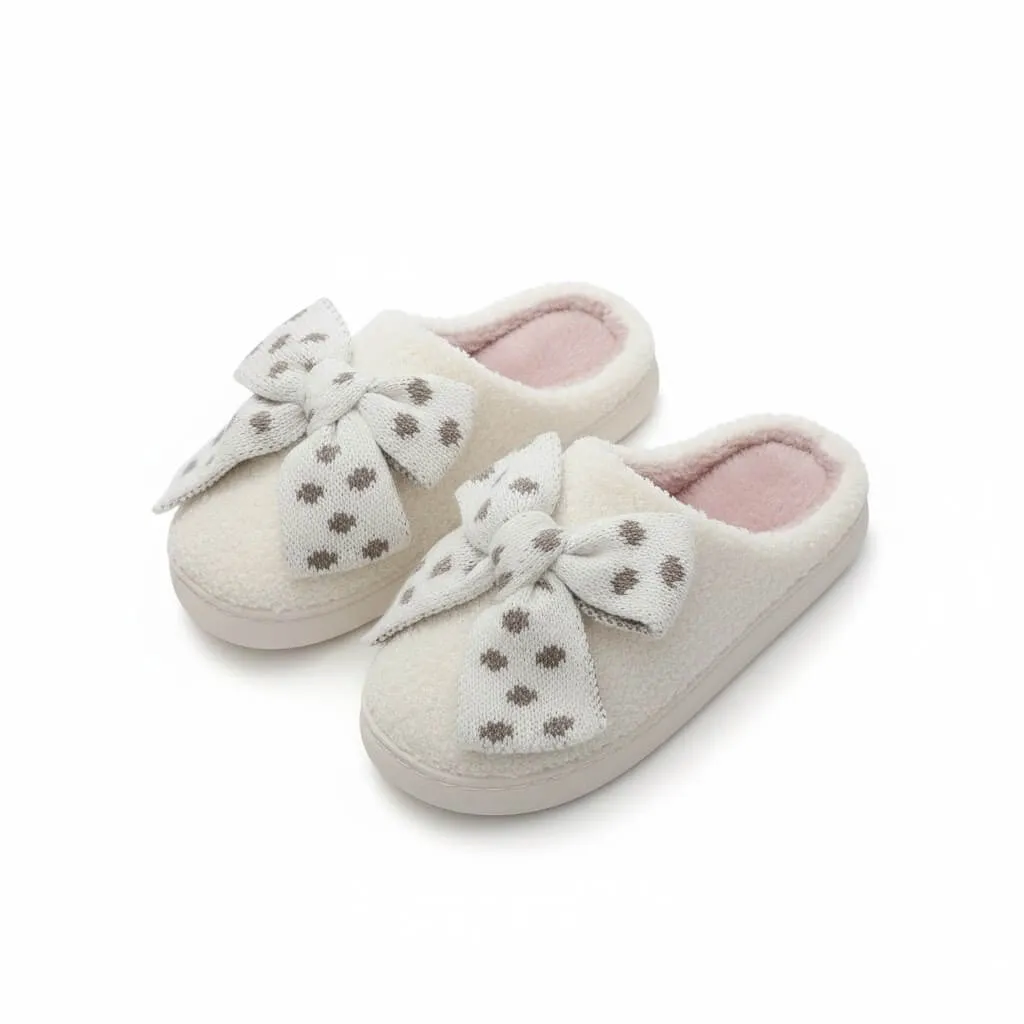
| Knit and textile slippers |
Casual, lifestyle, and gift collections |
Upper stability, stretch, seam placement, color, logo method, and pair shape |
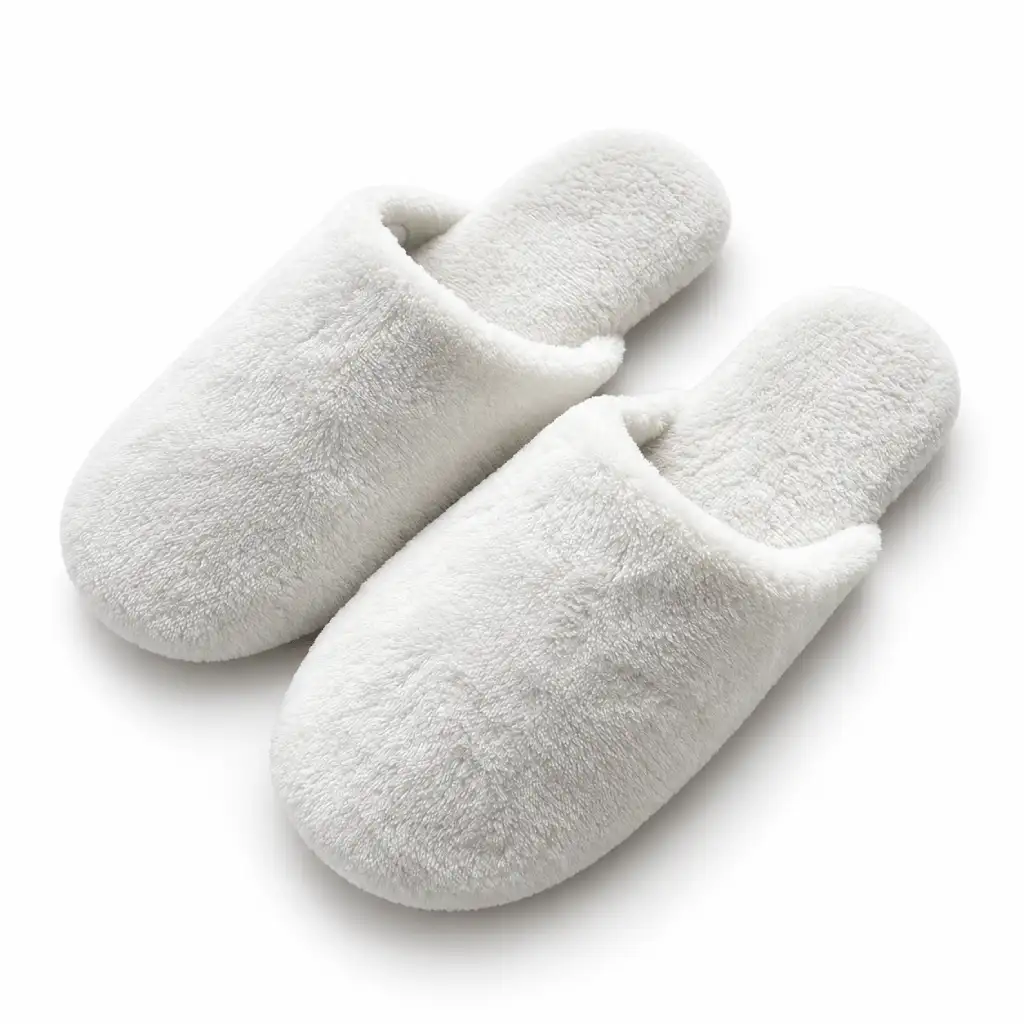
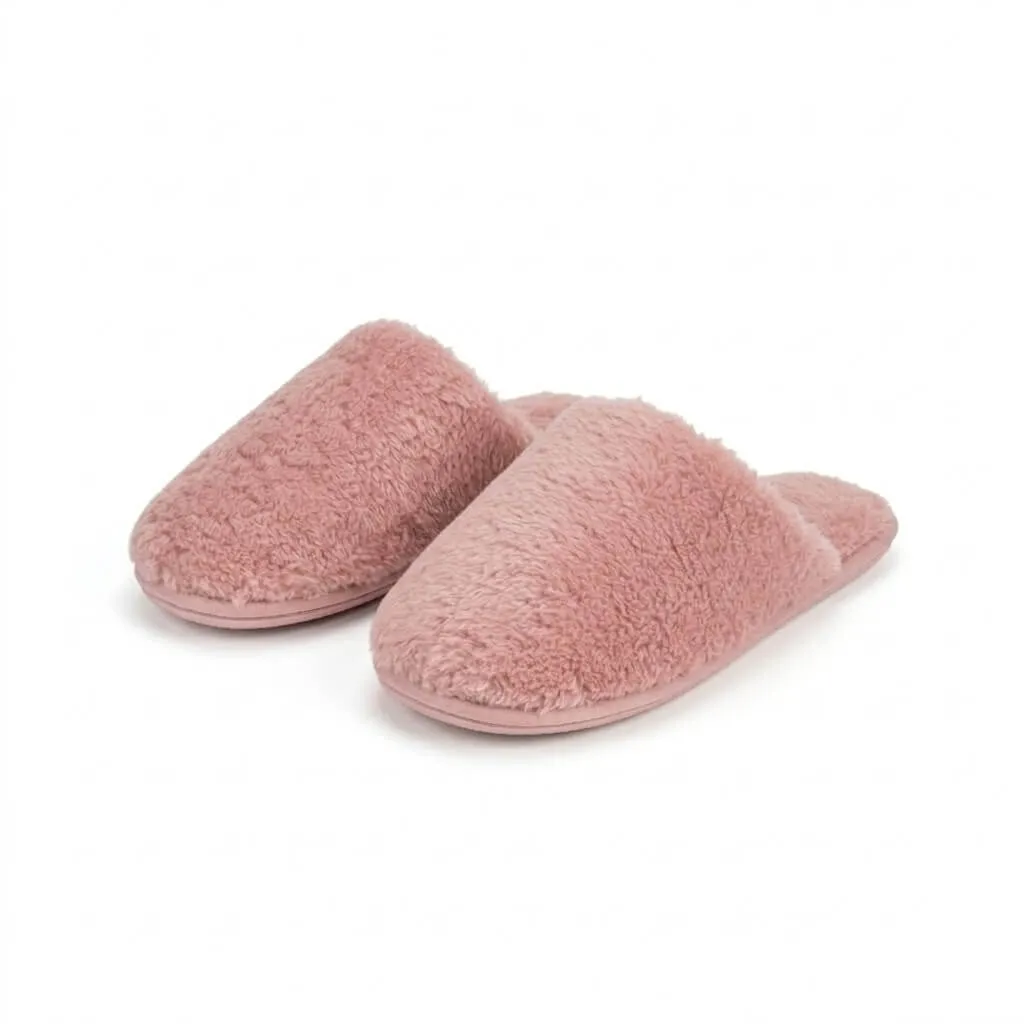
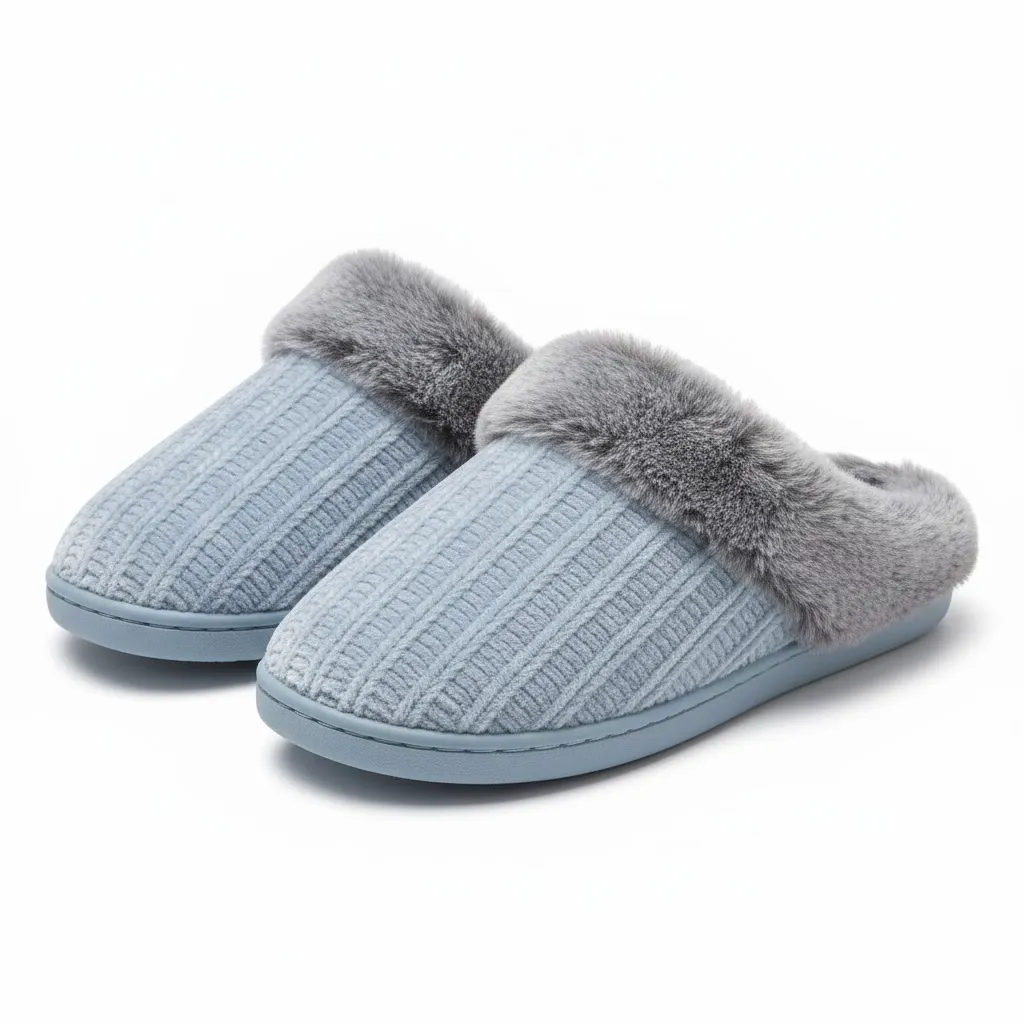
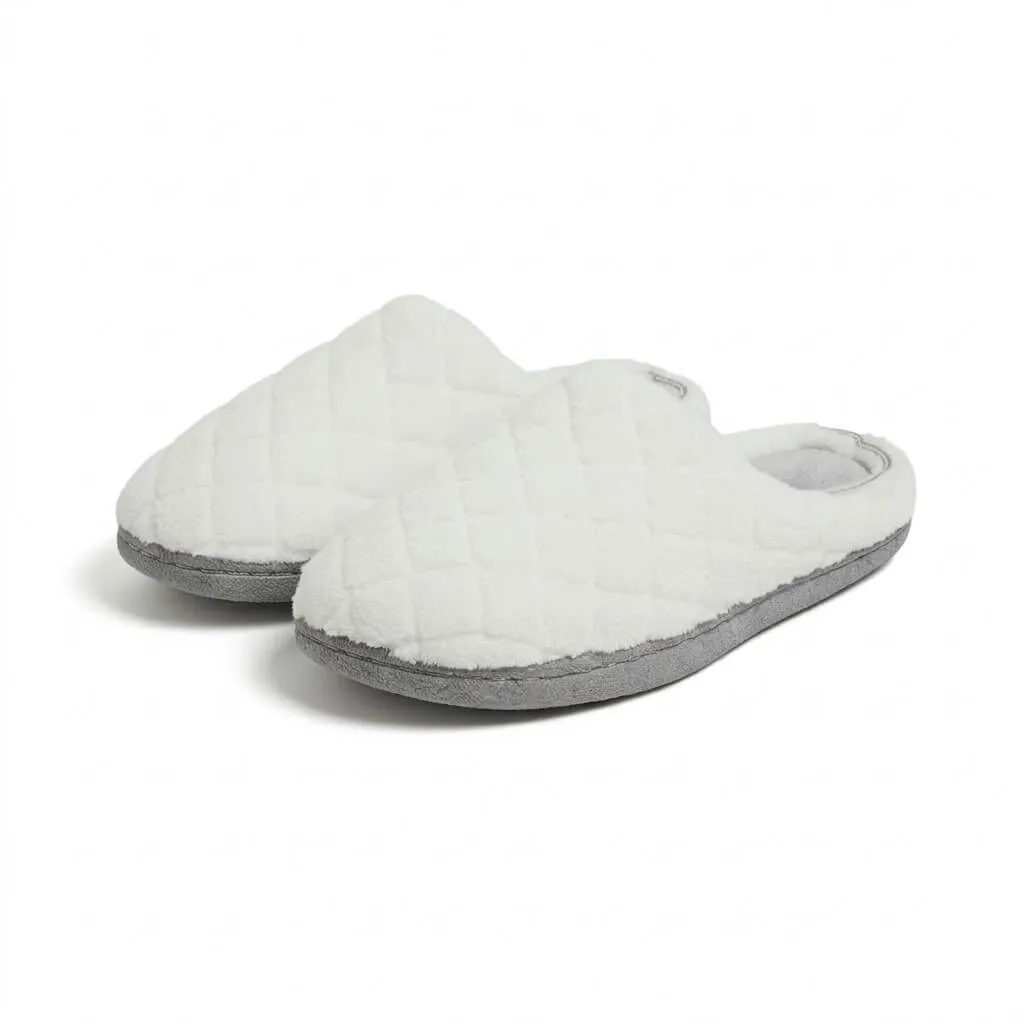
| Plush and fleece-lined slippers |
Cold-season and comfort-focused programs |
Material density, lining thickness, usable internal space, weight, and carton volume |
Return to the broader wholesale women’s slippers category to compare indoor, novelty, summer, and ballerina directions.
Develop OEM Women’s House Slippers as a Complete Specification
Existing styles can be adjusted for OEM/ODM and private label orders where the construction permits. Review the upper, lining, cushioning, outsole, sizing, branding, and packaging together because each choice can affect fit, flexibility, appearance, weight, and cost.
- Plush, fleece, knit, jersey, felt, faux suede, corduroy, velvet, or other suitable textiles
- Core and seasonal colors with approved material standards
- Women’s size range and quantity ratio by size
- Cushioning feel, lining volume, and footbed cover
- TPR or EVA outsole direction where suitable for the construction
- Embroidery, woven or printed labels, insole branding, hang tags, and retail packaging
Confirm Fit, Materials, and Outsole Construction
Women’s indoor slipper fit is influenced by opening shape, upper coverage, toe form, heel treatment, lining thickness, foam, seam allowances, and sole profile. Confirm the intended EU, US, or UK size system and approve fitted samples across representative sizes.
TPR and EVA can both be considered for indoor slippers. Their practical result depends on formulation, thickness, hardness, tread, construction, floor conditions, and any specified test standard. Molded TPR can create a defined profile and tread; cut EVA can support lightweight, flexible constructions.
- Check internal length, width, entry space, toe room, and heel position.
- Review cutting direction, panel alignment, seams, color, and pair matching.
- Confirm upper-to-sole connection and outsole flatness.
- Test measurable performance only against an agreed method and acceptance standard.
Approve Branding, Packaging, and the Bulk Standard
Approve the logo method on the actual upper material. Embroidery, labels, and printing behave differently on knit, plush, and smooth textiles. Confirm dimensions, placement, color, stitch or print quality, and left-right alignment.
The final sample and written specification should define materials, sizes, colors, cushioning, outsole, stitching, labels, individual packing, barcodes, retail presentation, carton quantities, and carton marks. Bulk reviews can then follow the same approved standard.
Women’s Indoor Slipper Development Resources
Use these guides to review private label planning, outsole selection, and common production risks in greater detail:
- Private Label Indoor Slippers Manufacturing Guide
Plan product specifications, materials, branding, packaging, sample approval, and bulk production requirements.
- TPR vs EVA Sole for Slippers
Compare outsole structure, weight, flexibility, tread, construction, and intended use without relying on material names alone.
- Common Indoor Slipper Manufacturing Defects
Review risks involving cushioning, seams, outsole attachment, plush finishing, decoration, and bulk consistency.
For seasonal, novelty, and lighter women’s styles, return to Utop’s complete wholesale women’s slipper range.
Request a Women’s Indoor Slipper Quotation
Send the product link or SKU, quantity, size range and ratio, materials, colors, logo file, packaging requirements, destination market, and requested schedule.
Discuss Your Indoor Slipper Program
FAQ About Wholesale Women’s Indoor Slippers
What women’s indoor slipper styles can Utop develop?
Available directions include open-back slippers, scuffs, closed-toe or closed-back house shoes, knit styles, plush slippers, and fleece-lined options. Feasibility depends on the requested specification and order plan.
Can the material, color, and logo be customized?
Yes, where suitable for the selected construction. Buyers can discuss upper and lining materials, colors, size ranges, cushioning, outsoles, logos, labels, and packaging.
Should thick-lined slippers use the same size specification as thin styles?
Not automatically. Thick plush or fleece can reduce usable internal space, so the complete fitted sample and size grading should be checked before bulk approval.
What is needed for a quotation?
Provide a selected product or reference, estimated quantity, size range and ratio, colors, materials, branding, packaging, destination market, and requested schedule.
How is MOQ determined for women’s indoor slippers?
MOQ depends on the construction, material purchasing requirements, number of colors, size assortment, logo method, packaging, and customization level. A clear product and order plan allows Utop to review a suitable production solution.
Can buyers approve samples before bulk production?
Yes. Samples can be reviewed for shape, fit, materials, colors, cushioning, outsole construction, branding, labels, packaging, and the final written specification before bulk production.



United States