Custom Kids’ Slippers for Retail and Private Label Programs
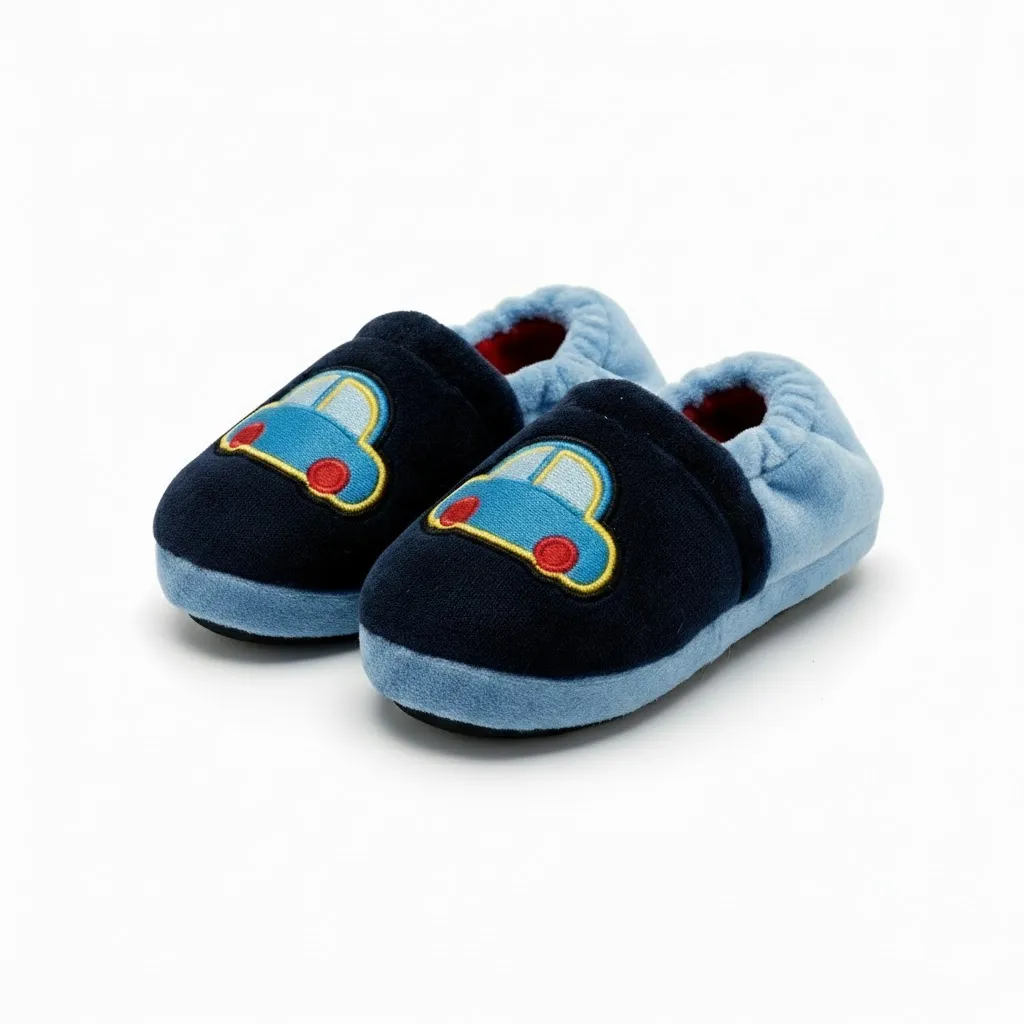
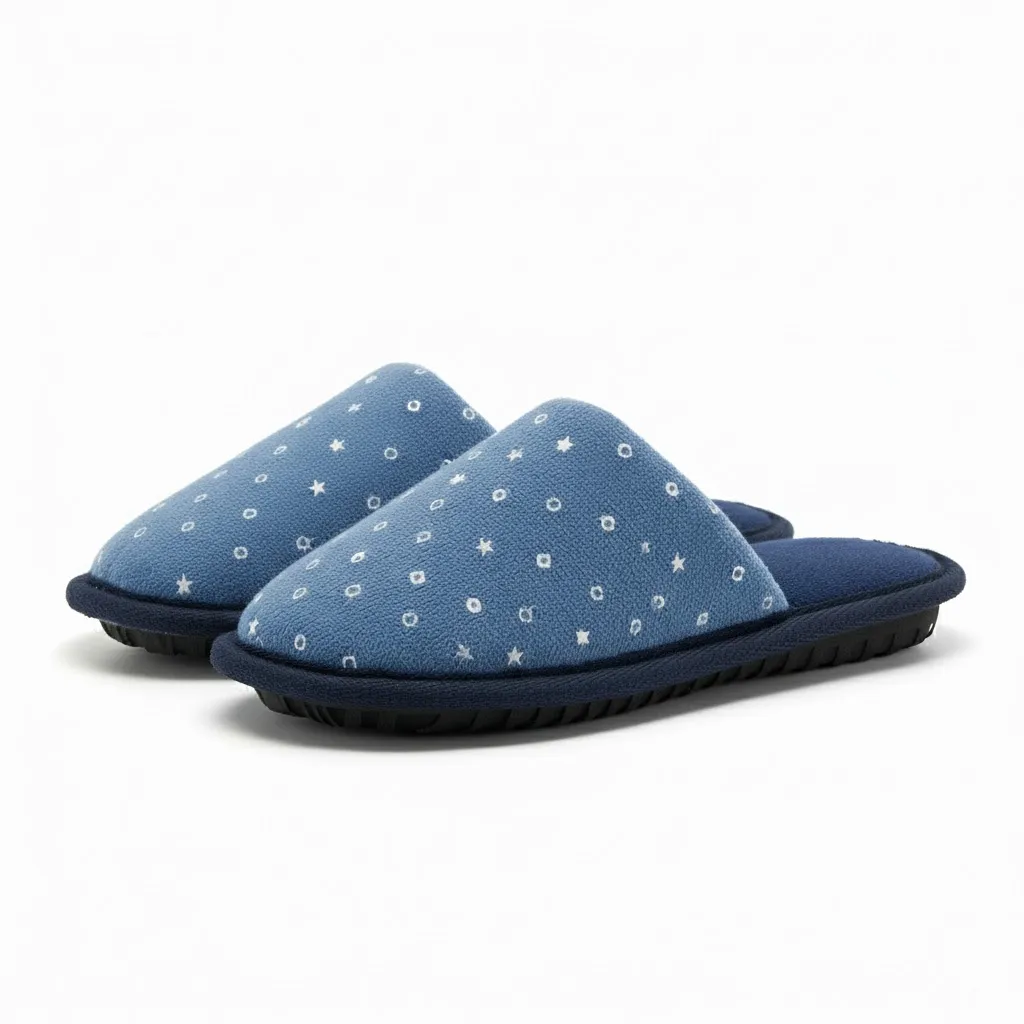
Kids’ slippers are one of Utop’s priority product categories. The range supports dependable indoor basics, winter plush styles, expressive animal products, seasonal gifts, and private label collections for different children’s age groups and retail channels.
Because children’s products combine fit, visual appeal, construction, decoration, labeling, and market-specific requirements, buyers should approve the complete product specification rather than selecting a style by appearance alone.
| Kids’ slipper range |
Typical program |
Main details to confirm |
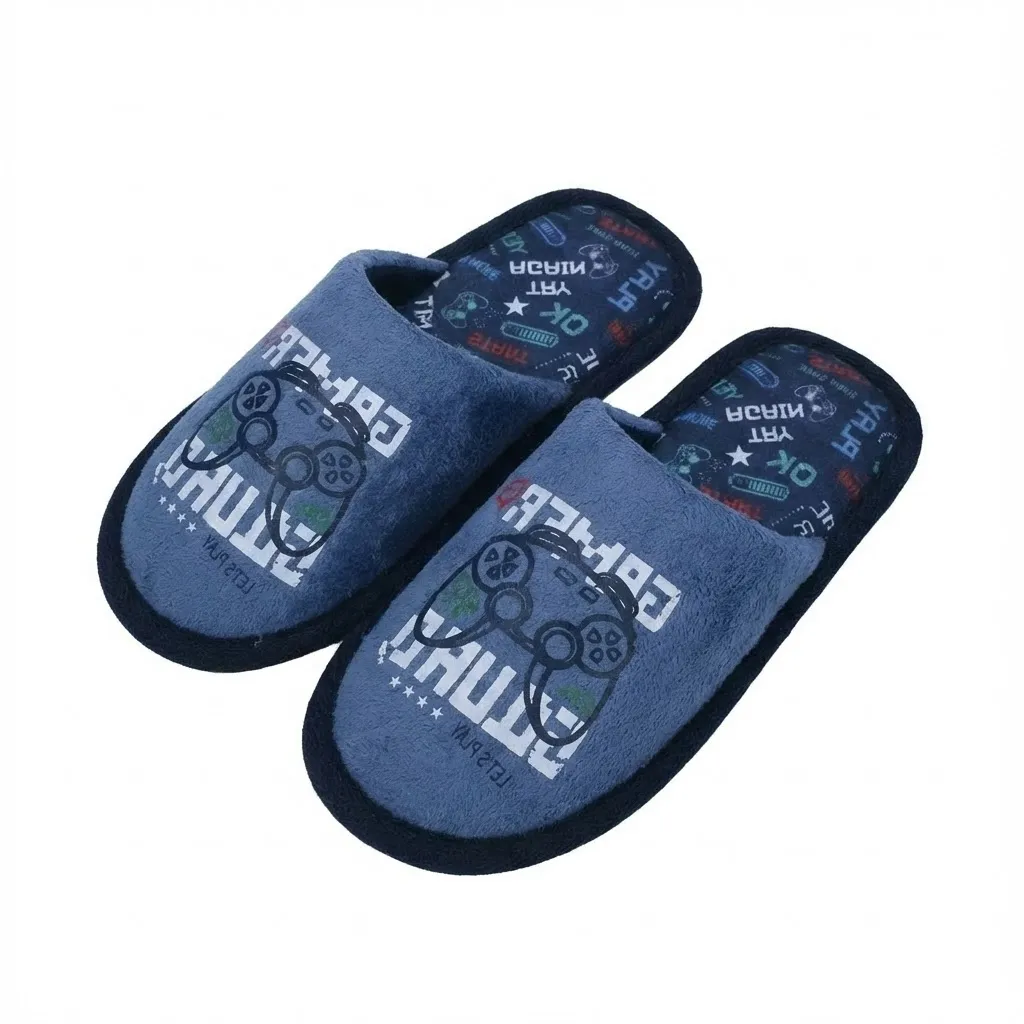
| Kids’ Indoor Slippers |
Core retail, homewear, supermarket, gift, and private label ranges |
Pattern, opening, lining, cushioning, size grading, outsole, decoration, and packing |
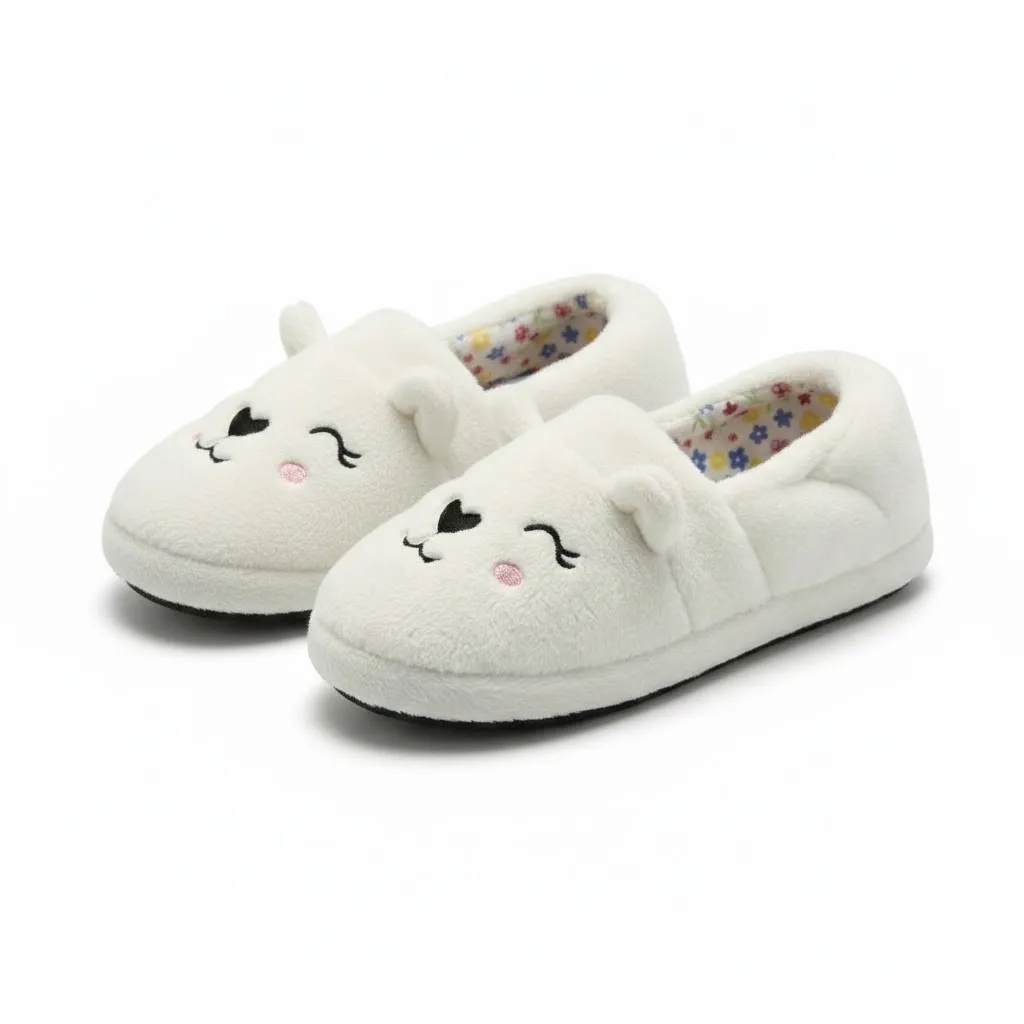
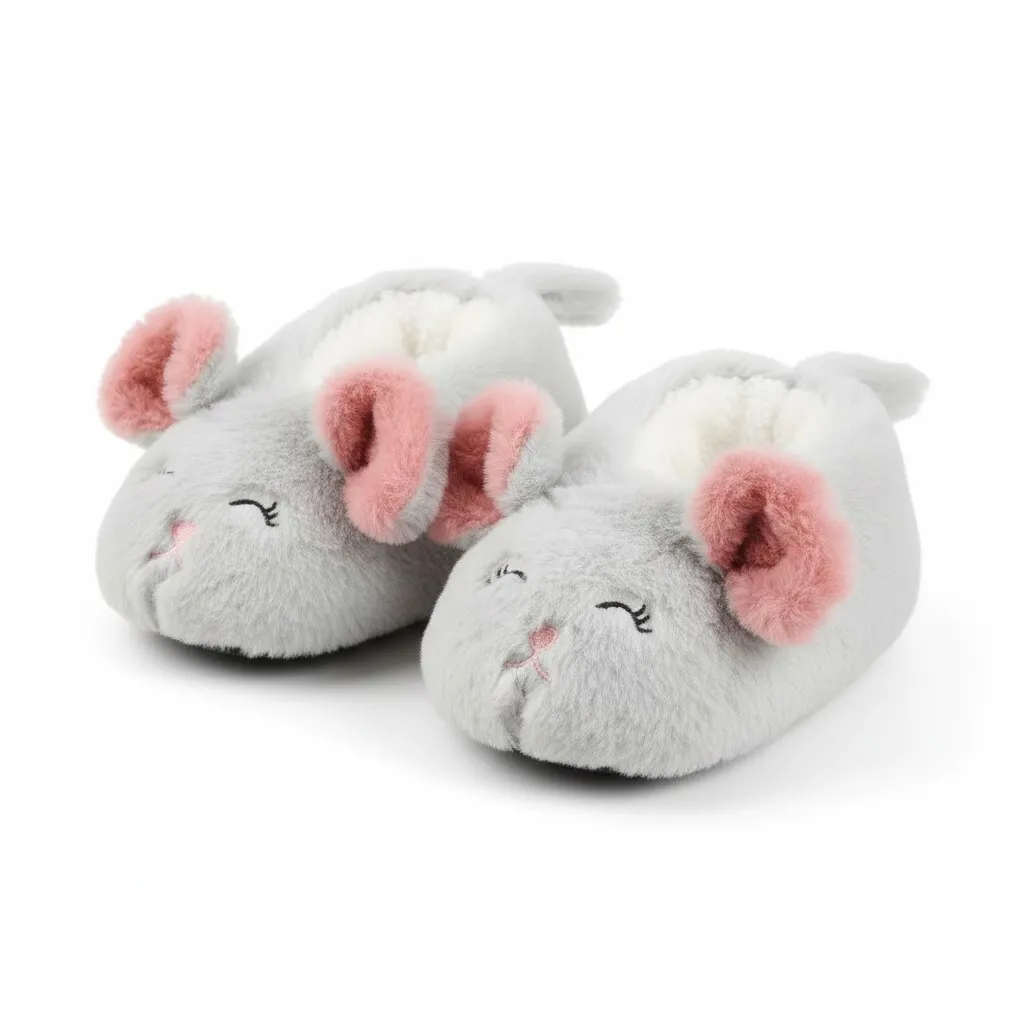
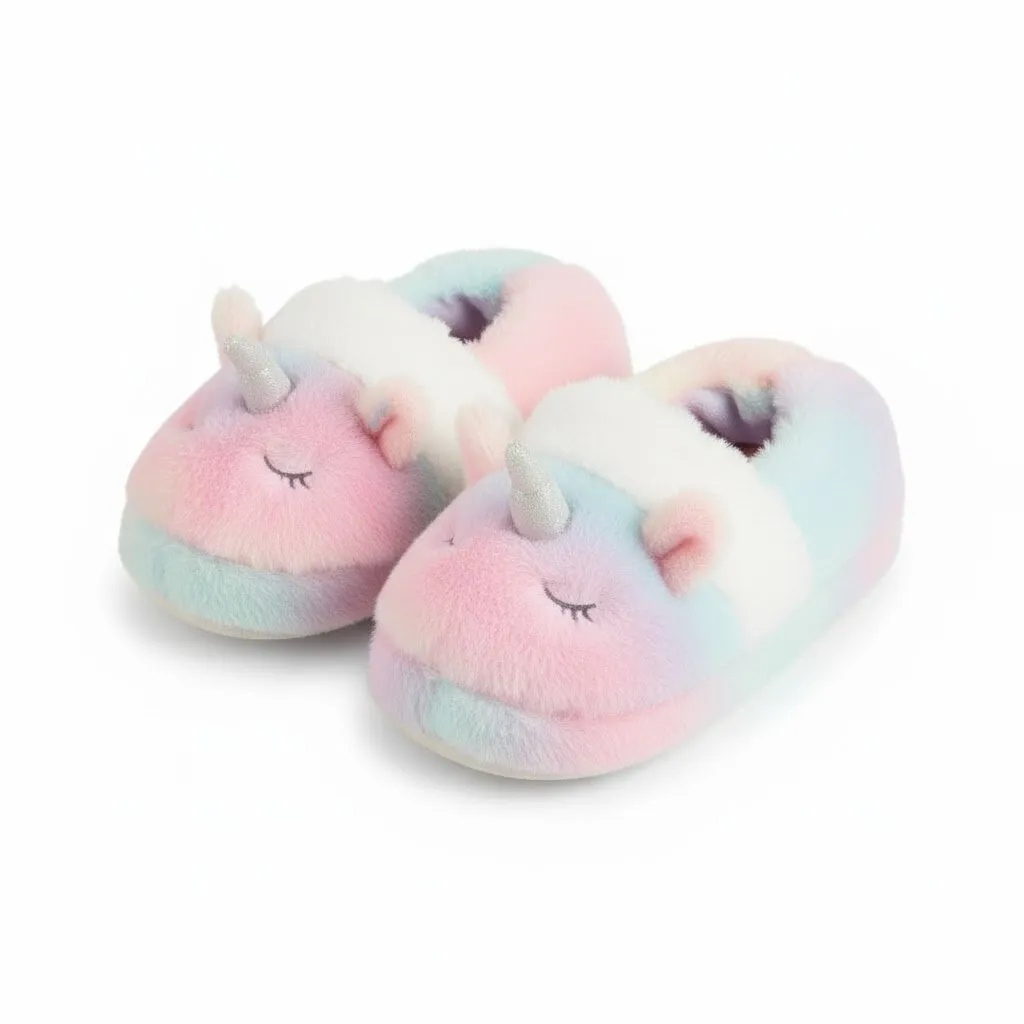
| Kids’ 3D Animal Slippers |
Novelty retail, gifting, character, seasonal, and online collections |
Character proportions, embroidery, raised parts, attachment, symmetry, fit, and recovery after packing |
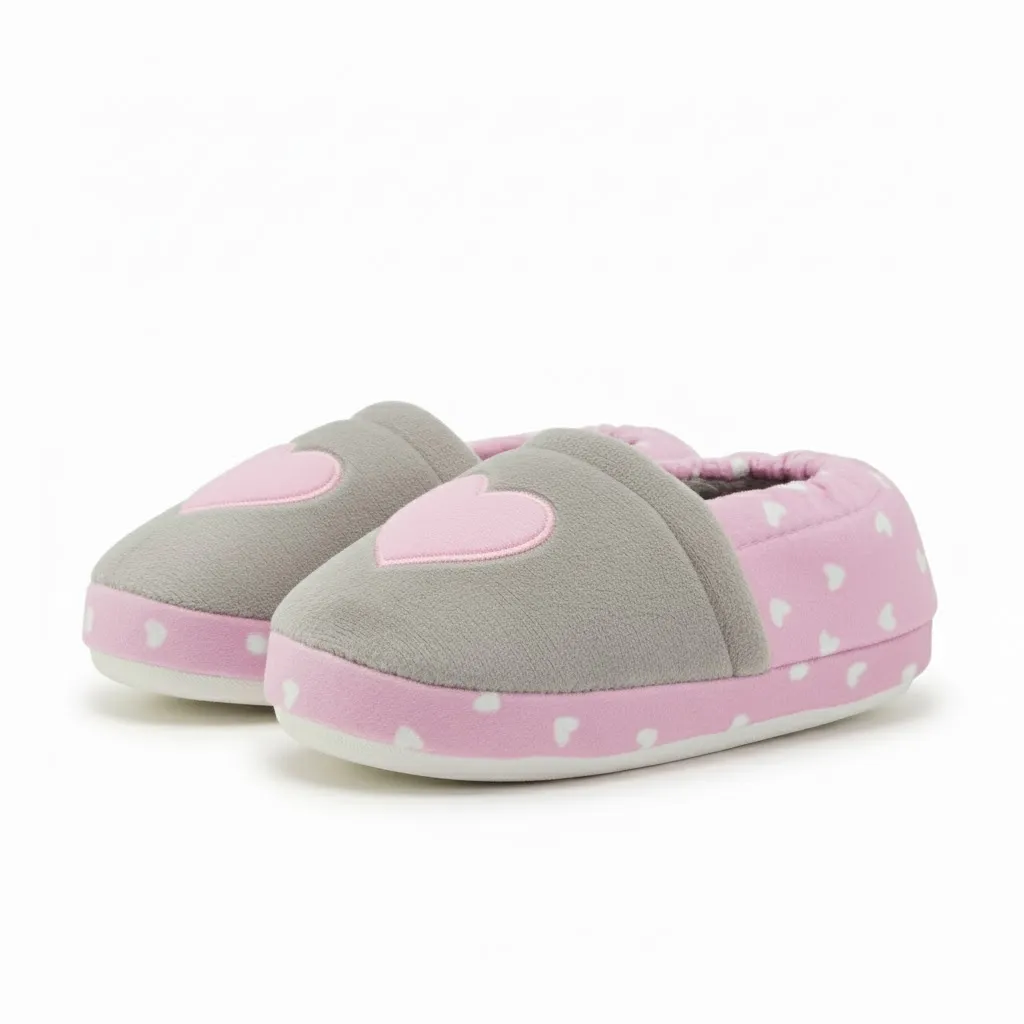
| Kids’ Injection Slippers |
Structured indoor footwear, easy-entry styles, and casual children’s collections |
Actual sole construction, upper-to-sole connection, flexibility, sizing, trim, and intended use |
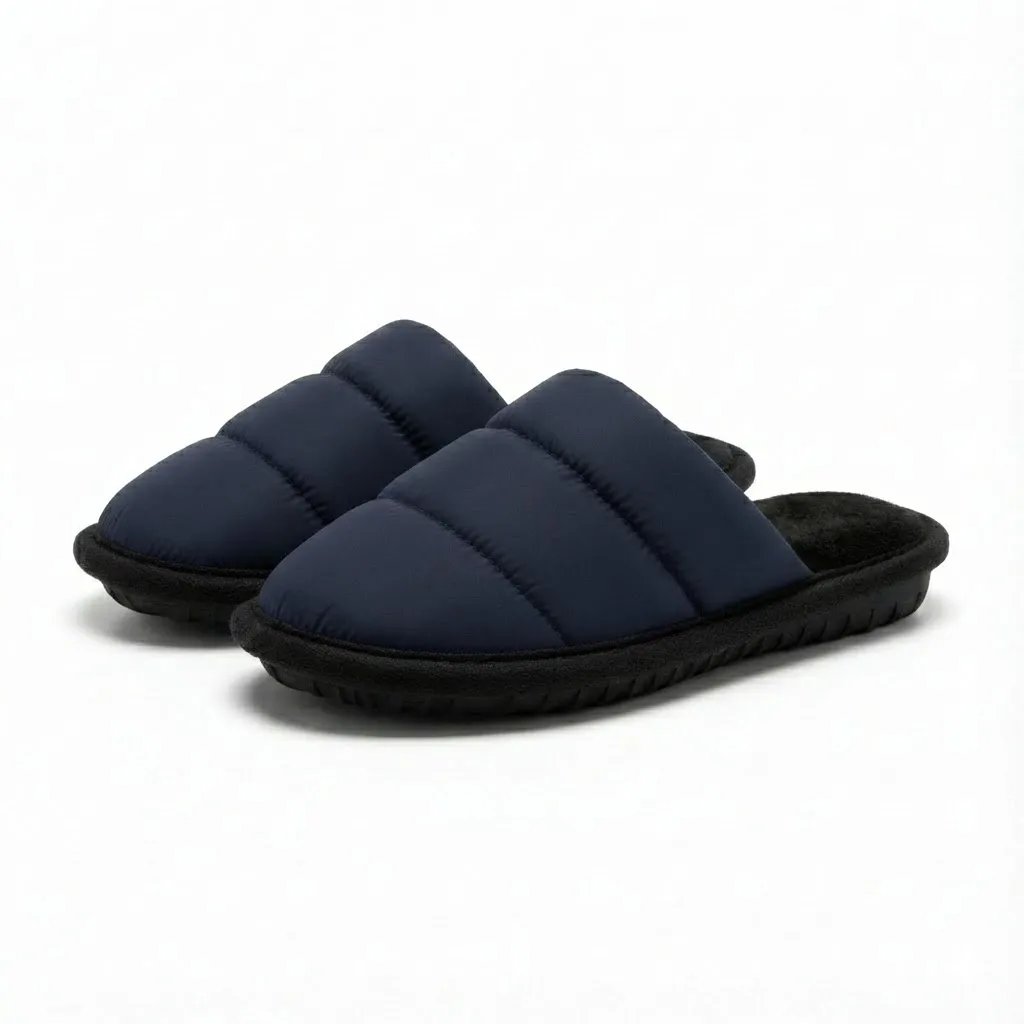
| Plush Slipper Booties and Winter Styles |
Cold-season homewear, gifting, and comfort-led ranges |
Opening, internal volume, lining thickness, outsole stability, shape recovery, and carton volume |
Build a Balanced Kids’ Slipper Collection
A practical children’s range normally combines repeatable core products with a smaller number of visual or seasonal styles. The mix should reflect the target age group, climate, sales channel, intended price position, size coverage, and order plan.
- Core indoor styles: easy-to-understand shapes and practical colors for continuous retail programs
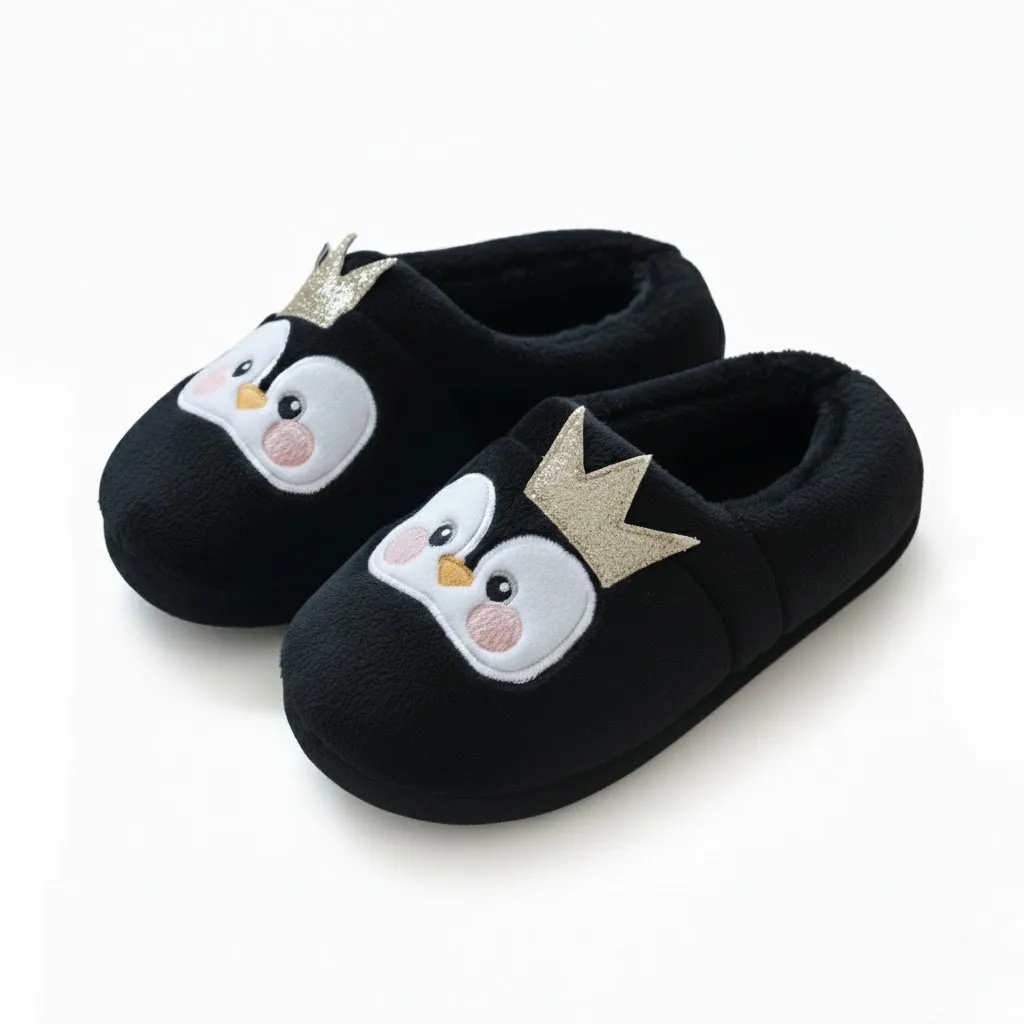
- Character and novelty styles: embroidery, appliqué, prints, ears, tails, or sculpted textile elements for stronger visual impact
- Seasonal products: warmer plush, fleece-lined, holiday, or gift-oriented directions
- Boys’, girls’, and unisex ranges: planned through color, artwork, silhouette, and merchandising rather than assumptions about one universal fit
- Private label programs: coordinated products sharing brand colors, labels, size presentation, and packaging
Using shared materials, color families, logo methods, and packaging across related styles can improve collection consistency and simplify approval and production planning.
Confirm Children’s Fit, Size Grading, and Assortment
Children’s slipper fit is affected by more than outsole length. Toe shape, upper coverage, opening, instep height, heel treatment, lining thickness, cushioning, binding, elastic, seam allowance, and construction all influence usable internal space.
- Target age group and required EU, US, or UK size system
- Internal length and width across representative sizes
- Opening dimensions, ease of entry, heel position, and toe room
- The effect of plush lining, foam, elastic, straps, or binding on fit
- Smallest, middle, and largest size samples for grading review
- Quantity ratio, size labels, barcodes, packing order, and carton assortment
A conversion chart alone is not a substitute for approving the actual pattern, construction, and fitted size samples for the target market.
Review Materials, Decoration, and Outsole Construction
Available upper directions may include short plush, teddy fleece, jersey knit, velvet, corduroy, faux suede, nylon, printed textiles, and other materials suitable for the confirmed design. Material identity, weight, backing, stretch, surface direction, color, and repeatability should be recorded in the approved specification.
| Area |
Possible direction |
Buyer review points |
| Upper and lining |
Plush, fleece, knit, velvet, jersey, printed textile, or another approved material |
Hand feel, structure, thickness, stretch, shade, seam stability, fit effect, and bulk consistency |
| Decoration |
Embroidery, print, appliqué, textile ears, tails, horns, patches, labels, or suitable trims |
Attachment, edge finishing, position, left-right matching, artwork clarity, and packing recovery |
| Cushioning |
Specified foam and footbed cover for the intended product |
Thickness, feel, recovery, internal space, and consistency across sizes |
| Outsole |
TPR, EVA, point-plastic textile, or another confirmed structure |
Material, thickness, hardness, tread, flexibility, weight, flatness, attachment, and intended use |
No outsole material should be described as automatically slip-resistant or more durable without the relevant product specification and test conditions. If measurable performance is required, confirm the destination-market method and acceptance criteria before production.
Plan Artwork, Branding, and Market Requirements Early
Kids’ slippers often depend on artwork and decorative execution. Buyers should provide original artwork or confirm that they are authorised to use any third-party character, logo, or protected design. Utop can review manufacturing feasibility, but intellectual-property rights remain the buyer’s responsibility.
- Artwork files, color references, placement, dimensions, and approved production method
- Embroidery density, print clarity, appliqué edges, and attachment of raised textile components
- Brand labels, insole marks, hang tags, size labels, barcodes, and carton information
- Destination-market material, labeling, chemical, physical, or performance requirements supplied by the buyer
- Required third-party tests, inspection levels, documentation, and acceptance standards agreed before production
Claims such as non-toxic, certified, slip-resistant, or compliant should only be used when supported by the applicable specification, documentation, or test result for the actual order.
Use the Approved Sample as the Bulk Standard
The approved physical sample and written specification should be used together to control materials, dimensions, construction, artwork, decoration, labeling, packing, and final order consistency.
- Overall shape, fit, size grading, pair matching, and outsole flatness
- Upper, lining, foam, binding, elastic, strap, and outsole specifications
- Stitching, upper-to-sole connection, decoration attachment, and edge finishing
- Character symmetry, embroidery or print position, shade, and logo consistency
- Size labels, barcodes, retail presentation, individual packing, carton marks, and quantities
- Shape and decoration recovery after the proposed packing and transport method
Kids’ Slipper Development Resources
- Plush Slippers Wholesale Guide
Review plush density, backing, fit, branding, packing recovery, and bulk consistency for children’s and novelty styles.
- Private Label Indoor Slippers Manufacturing Guide
Plan specifications, sampling, branding, packaging, and bulk production controls.
- TPR vs EVA Sole for Slippers
Compare outsole choices by formulation, construction, flexibility, weight, tread, and intended use.
- Common Indoor Slipper Manufacturing Defects
Review risks involving stitching, cushioning, outsole attachment, decoration, and bulk consistency.
Request a Custom Kids’ Slipper Quotation
Send the preferred product links or SKUs, original artwork or reference images, target age group and market, estimated quantity, size range and ratio, materials, colors, branding, packaging, destination requirements, and requested delivery schedule.
Discuss Your Kids’ Slipper Program
FAQ for Wholesale and Custom Kids’ Slippers
What types of kids’ slippers can Utop manufacture?
Utop supports everyday indoor slippers, plush house shoes, slipper booties, ballerina shapes, character and novelty products, 3D animal slippers, and suitable structured indoor footwear for boys’, girls’, and unisex ranges.
Can existing kids’ slipper styles be customized?
Yes. Depending on construction and order requirements, buyers can discuss upper and lining materials, colors, size ranges, cushioning, outsoles, artwork, decorations, labels, branding, and packaging.
How should children’s slipper sizing be confirmed?
Confirm the required size system, internal measurements, opening, toe room, heel position, lining volume, representative fitted samples, grading, and quantity ratio. The complete product should be approved rather than relying only on a conversion chart.
Can Utop produce licensed character slippers?
Utop can review manufacturing feasibility when buyers provide authorised artwork and product requirements. Buyers must own or be authorised to use all third-party characters, logos, and protected designs.
How are raised animal features and decorations reviewed?
The approved sample should define component material, dimensions, position, attachment, stitching, symmetry, edge finishing, and recovery after packing. Bulk inspection requirements can then be agreed for the order.
Can destination-market testing be arranged?
Required material, chemical, physical, labeling, or performance tests can be reviewed according to the buyer’s target market and agreed standard. Requirements should be confirmed before sampling and production.
How is the MOQ determined?
MOQ depends on construction, material purchasing, number of colors, size assortment, artwork or decoration method, outsole, packaging, and customization level. Share the intended product and order plan for review.
What information is needed for a quotation?
Provide a product link, SKU, original artwork or reference image, target age group and market, quantity, size range and ratio, materials, colors, branding, packaging, destination requirements, and requested schedule.



United States