Choose the Right Product Category for Your Program
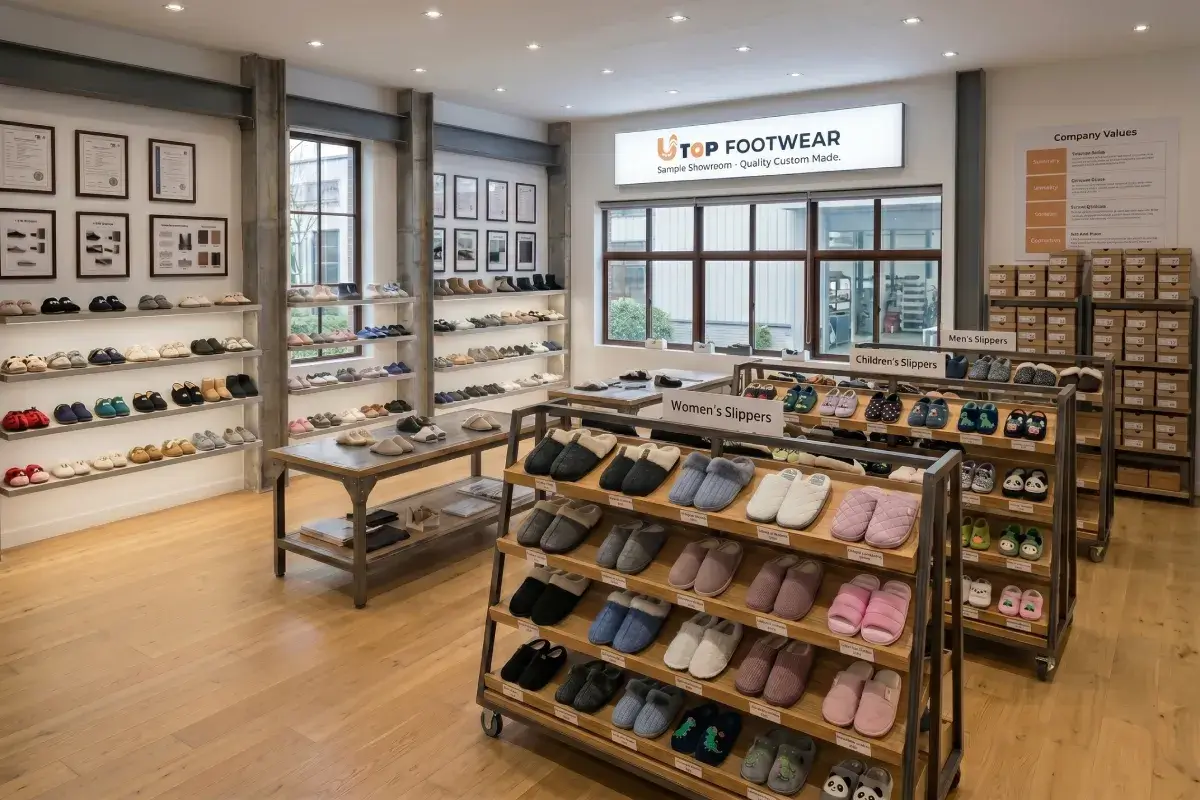
Utop’s Product Center brings together our main custom slipper and related accessory categories. Use this page for an initial overview, then enter the most relevant category to compare a more focused group of products. The strongest starting point depends on the intended customer, season, sales channel, price position, size plan, packaging, and order requirements.
| Product category |
Typical buyer programs |
Main points to review |
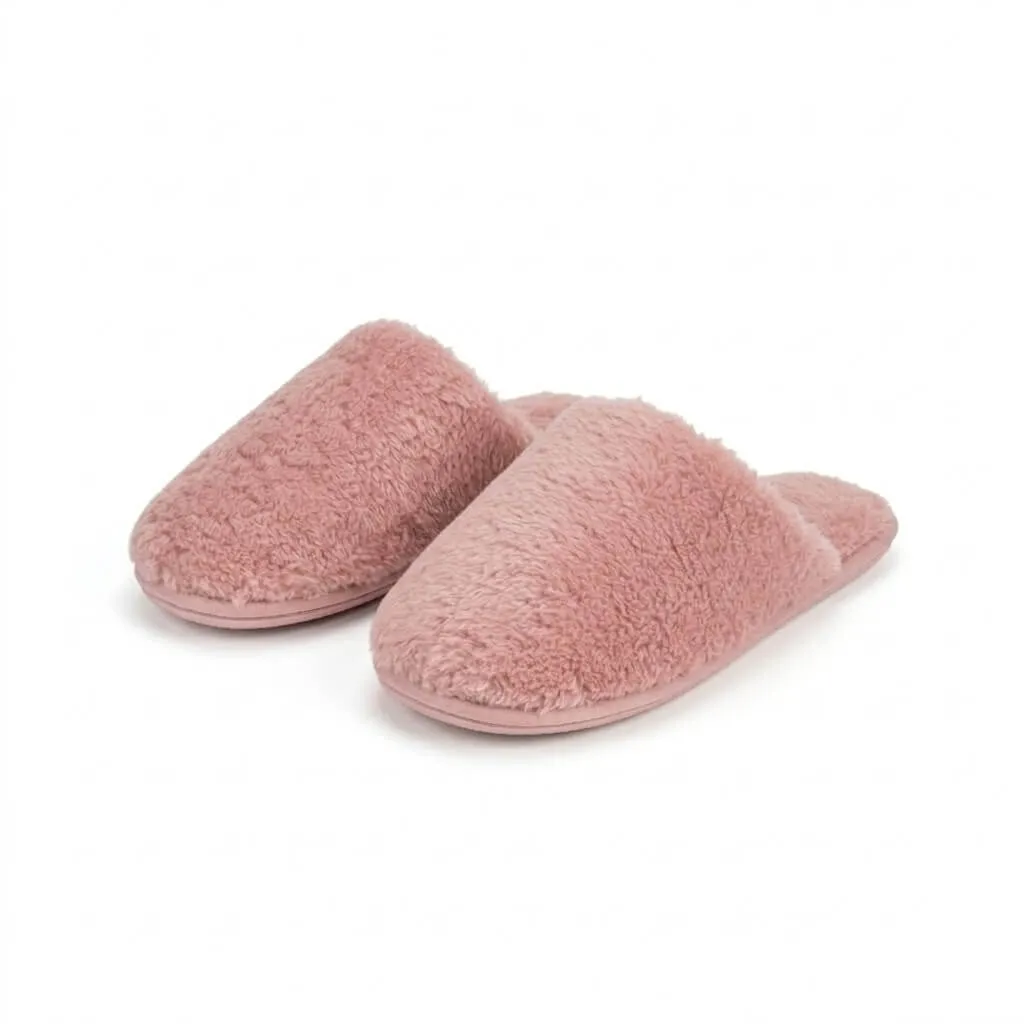
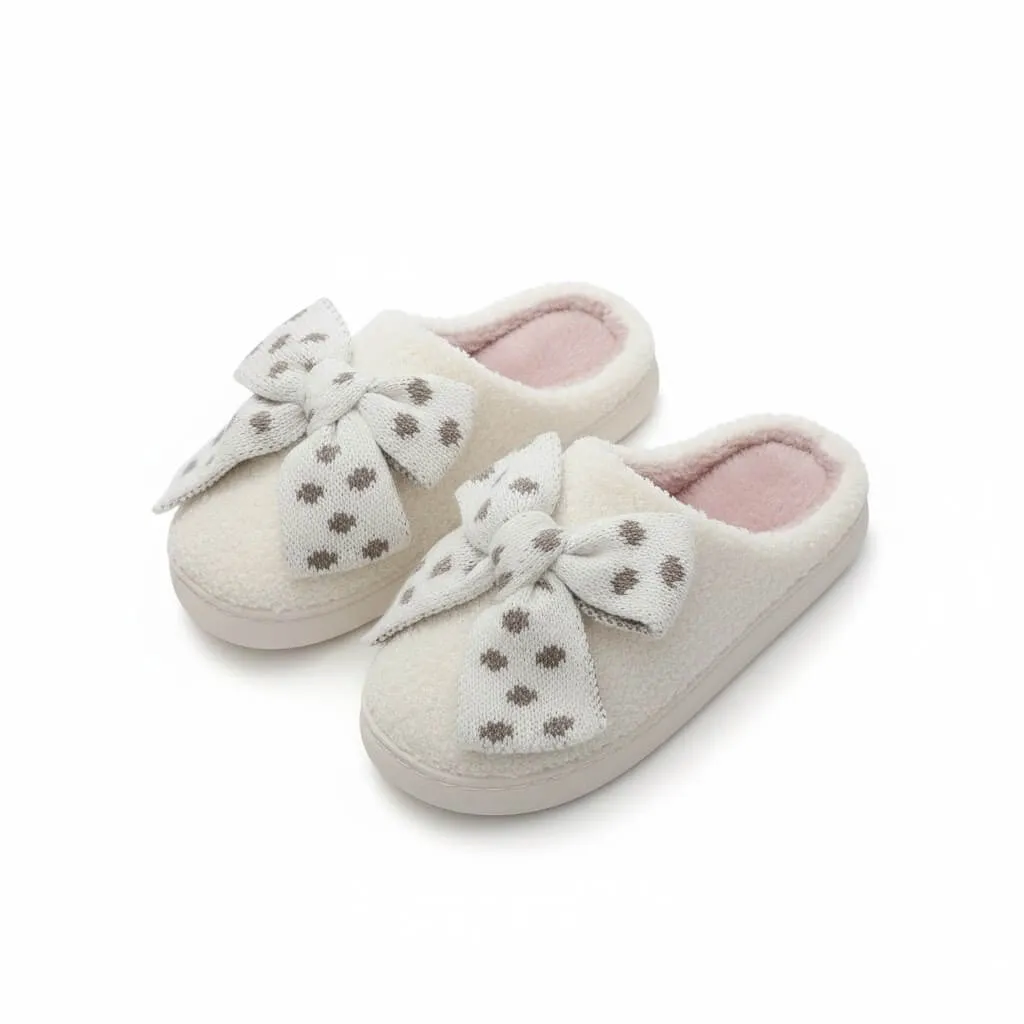
| Custom Women’s Slippers |
Retail, homewear, gift, seasonal, online, and private label collections |
Style direction, upper and lining, comfort, colors, women’s size ratios, branding, and retail packaging |
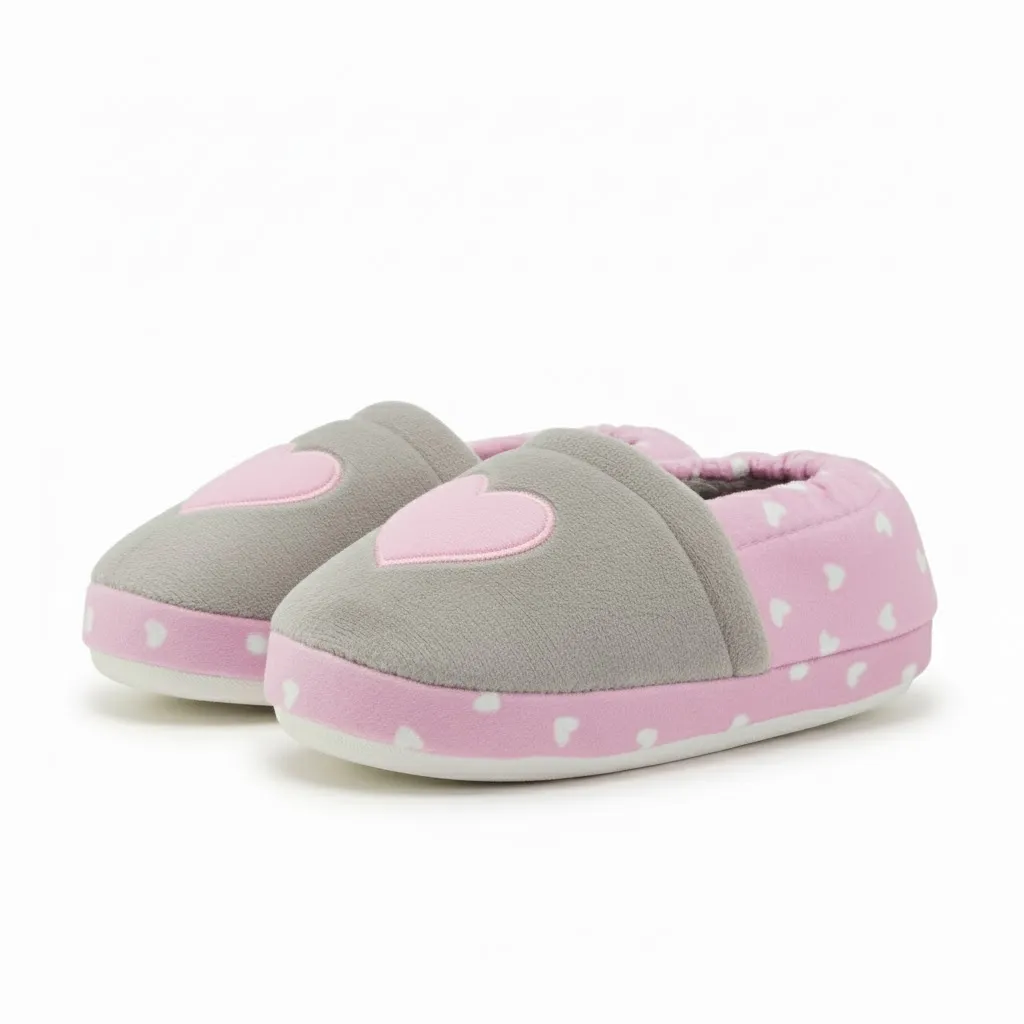
| Custom Kids’ Slippers |
Children’s retail, novelty, gift, character, seasonal, and private label programs |
Age and size range, fit, decoration attachment, embroidery, outsole structure, pair consistency, and packing recovery |
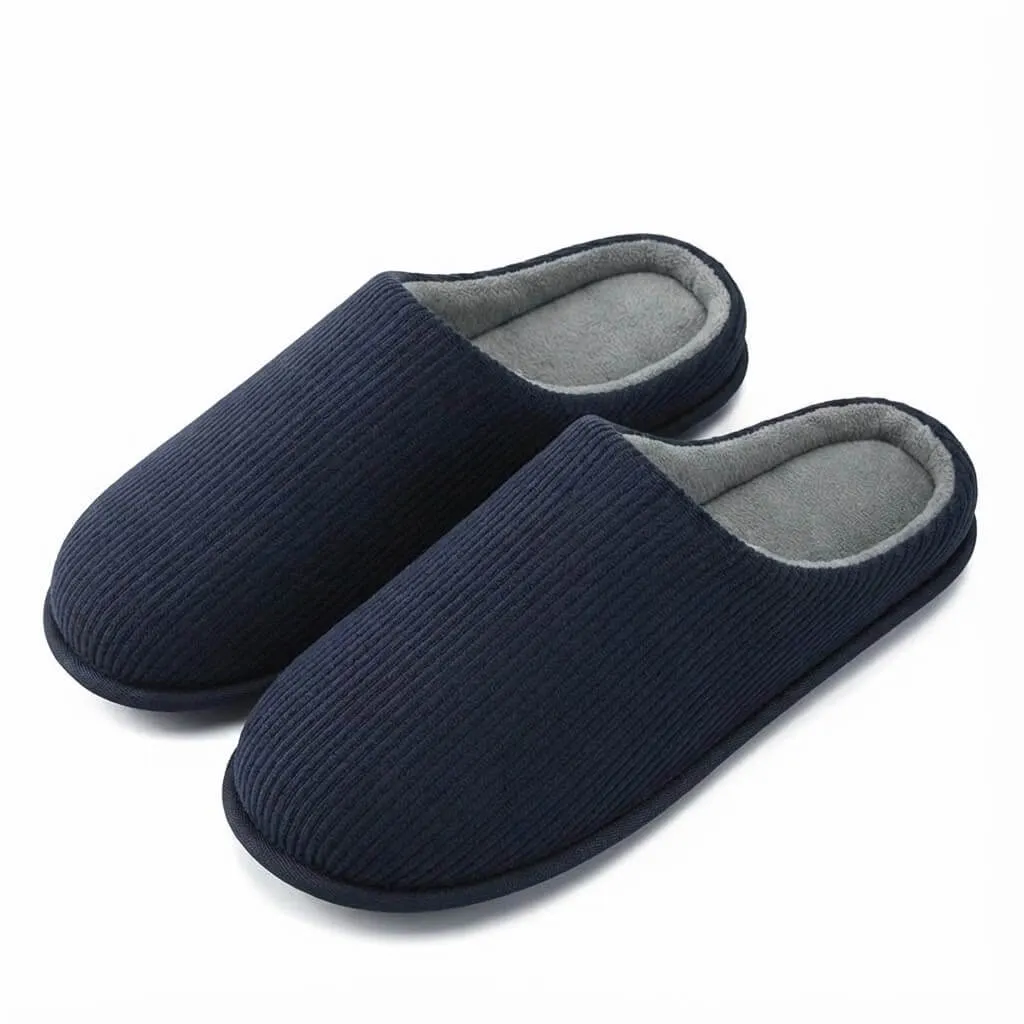
| Custom Men’s Slippers |
Homewear, department store, lifestyle, gift, and wholesale collections |
Open-back or closed-back construction, upper coverage, lining, fit, men’s size range, and outsole specification |
| Wholesale Hotel & Spa Slippers |
Hotels, guest rooms, spas, travel, and hospitality supply programs |
Upper material, material weight, sole structure, guest use, logo method, individual packing, and order volume |
| Custom Hats, Scarves & Gloves |
Coordinated winter, gift, homewear, and promotional collections |
Material and color coordination, product combinations, branding, sizing, and packaging |
A focused core assortment is usually easier to sample, approve, and plan than a large number of unrelated low-volume variations. Buyers can begin with the most commercially relevant category and add complementary seasonal or novelty styles when the sales plan supports them.
Explore Slipper Types Within the Main Categories
Use the following subcategories to narrow the product range without passing through redirected “All” archive pages:
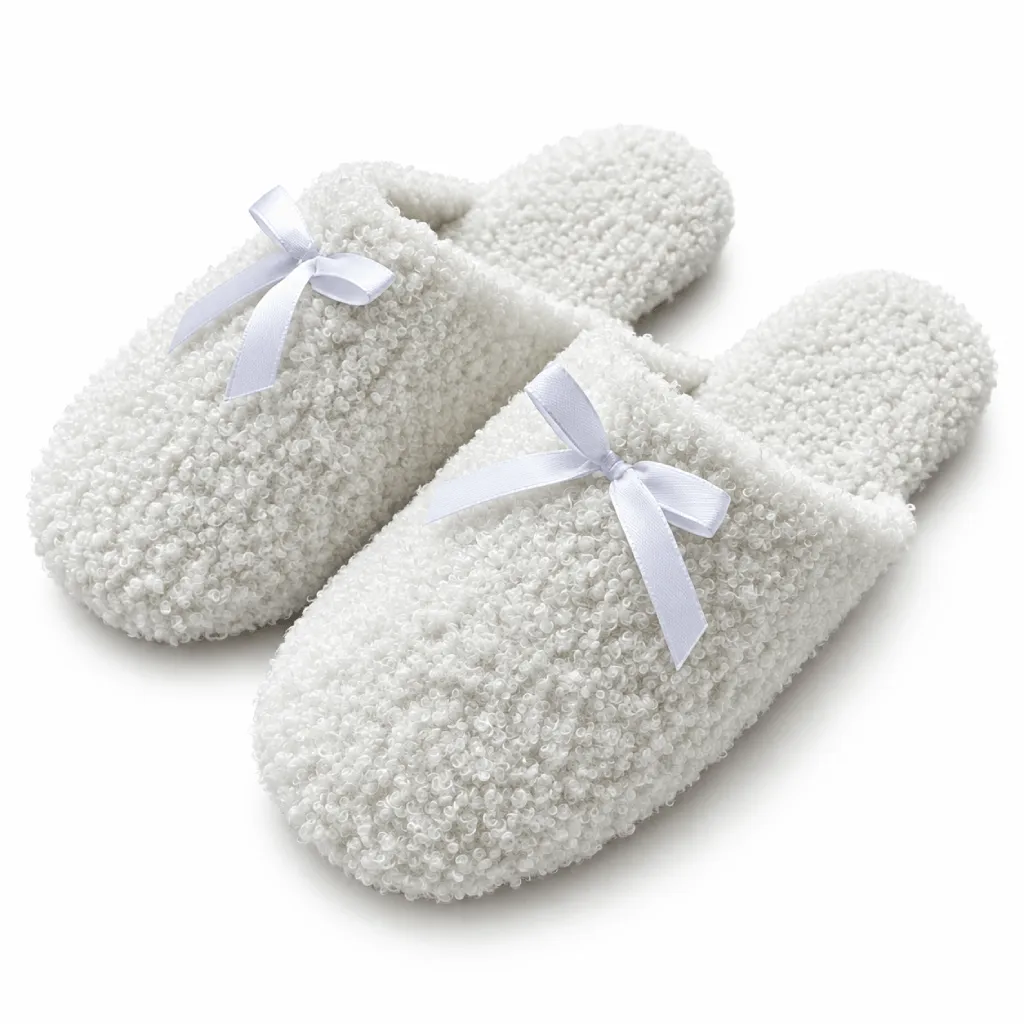
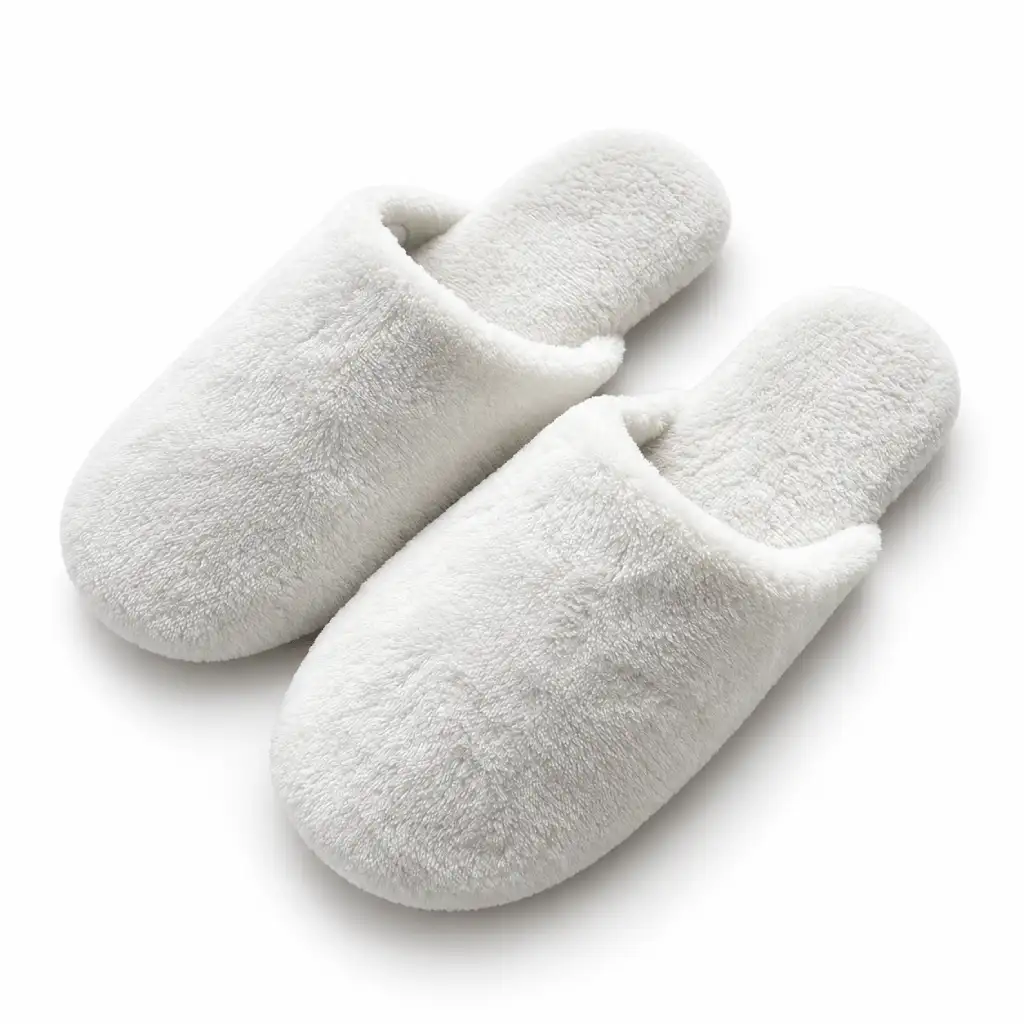
- Women’s Indoor Slippers for core homewear, retail, gift, and private label ranges
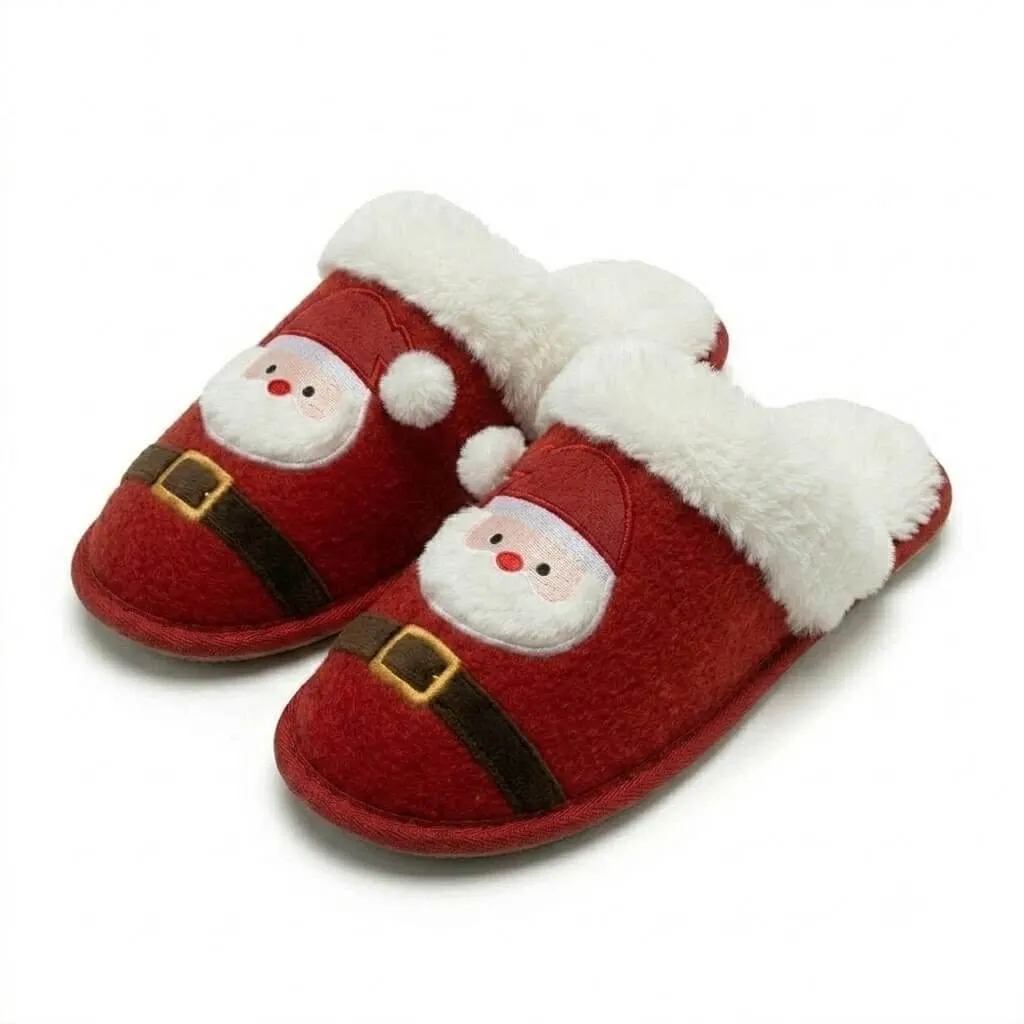
- Women’s 3D Animal Slippers for novelty, gifting, and visually distinctive collections
- Women’s Ballerina Slippers for soft, compact, travel, and gift-oriented programs
- Women’s Summer Slippers for lightweight and warm-season indoor ranges
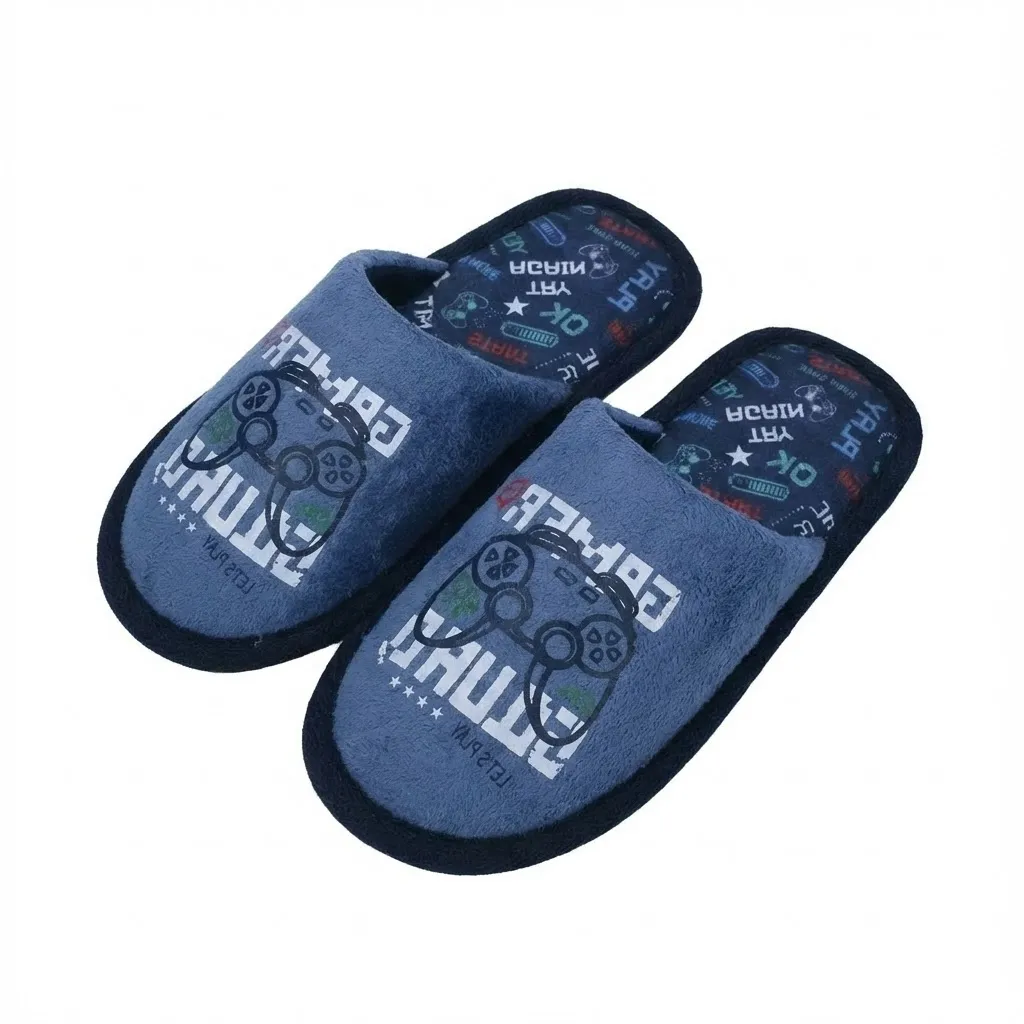
- Kids’ Indoor Slippers for dependable children’s homewear and retail programs
- Kids’ 3D Animal Slippers for novelty, character-inspired, and gift collections
- Kids’ Injection Slippers for selected molded footwear projects
- Men’s Indoor Slippers for core homewear, retail, and wholesale programs
- Men’s 3D Animal Slippers for selected novelty and gift directions
- Men’s Summer Slippers for lighter warm-season and indoor collections
Compare Product, Material, and Construction Before Sampling
The products shown in the Product Center are reference directions rather than fixed retail items. An existing style may be reviewed for suitable adjustments according to the target market, intended comfort, brand identity, expected retail position, order quantity, and confirmed production requirements.
| Product component |
Possible direction |
Buyer should confirm |
| Upper and lining |
Plush, fleece, jersey, knit, felt, faux suede, corduroy, velvet, or another material suitable for the confirmed design |
Appearance, season, thickness, stretch, color, lining volume, sewing stability, branding, and repeatability |
| Cushioning and footbed |
A specified foam combination and cover material suitable for the target product |
Thickness, feel, recovery, fit effect, surface finish, and consistency across sizes |
| Outsole |
TPR, EVA, point-plastic fabric, or another structure suitable for the confirmed design |
Material specification, hardness, thickness, weight, tread, flexibility, attachment method, and intended conditions of use |
| Size assortment |
EU, US, UK, or another agreed size system |
Internal measurements, fit sample, grading, size labels, and quantity ratio by size |
| Branding and packaging |
Embroidery, labels, printing, insole branding, hang tags, inserts, polybags, pouches, boxes, or display packaging |
Artwork, application method, placement, barcode data, presentation, product protection, and carton marks |
TPR and EVA should not be compared by material name alone. Grip, abrasion, flexibility, support, weight, and suitability depend on the formulation, hardness, thickness, tread, outsole construction, floor conditions, and any agreed test method. If measurable performance is required, the applicable destination-market standard and acceptance criteria should be confirmed before production.
Prepare an OEM/ODM or Private Label Product Brief
A complete brief allows the product and production teams to review feasibility and quotation details more efficiently. Before requesting a custom slipper sample, prepare the following information where available:
- Preferred product link, Utop SKU, reference image, drawing, or original design brief
- Target customer, destination market, intended sales channel, season, and product position
- Estimated total quantity, color breakdown, size range, and quantity ratio by size
- Upper, lining, cushioning, footbed, outsole, and construction requirements
- Color references, approved standards, print files, embroidery files, and logo artwork
- Labels, barcode information, hang tags, inserts, individual packing, retail packaging, and carton marks
- Requested sampling plan, delivery schedule, shipping destination, and other order requirements
Logo, decoration, and packaging methods should be approved on the actual selected materials. Plush pile, knit stretch, surface texture, compression, and product construction can all affect artwork clarity and final presentation.
From Reference Product to Bulk Production
1. Select a Relevant Product Direction
Begin with the category and product closest to the required silhouette, structure, market position, and intended use. A suitable reference reduces unnecessary development changes and makes technical review more efficient.
2. Confirm the Complete Sample Specification
Review the materials, colors, measurements, fit, size grading, logo, decoration, outsole, construction, labels, and packaging as one specification. Required revisions should be documented before the final sample is approved.
3. Use the Approved Sample and Written Specification Together
The approved physical sample and written requirements should guide material preparation, bulk production, inspection, packing, and final order review. Product photographs alone do not define every construction or quality detail.
4. Confirm Packing and Delivery Requirements
Before production is scheduled, confirm the final quantities, size and color ratios, packing method, retail labels, carton quantities, carton marks, destination requirements, and requested delivery plan.
Product Development and Sourcing Guides
Use these resources to examine common material, construction, quality, and sourcing decisions in greater detail:
Request a Custom Slipper Project Review
Send Utop the preferred product link or SKU, reference images, estimated quantity, target market, size range and ratio, colors, materials, logo file, packaging requirements, destination, and requested delivery schedule.
Our team will review the product direction, construction, customization requirements, sampling needs, production feasibility, and quotation details before the project moves forward.
Discuss Your Product Requirements



United States