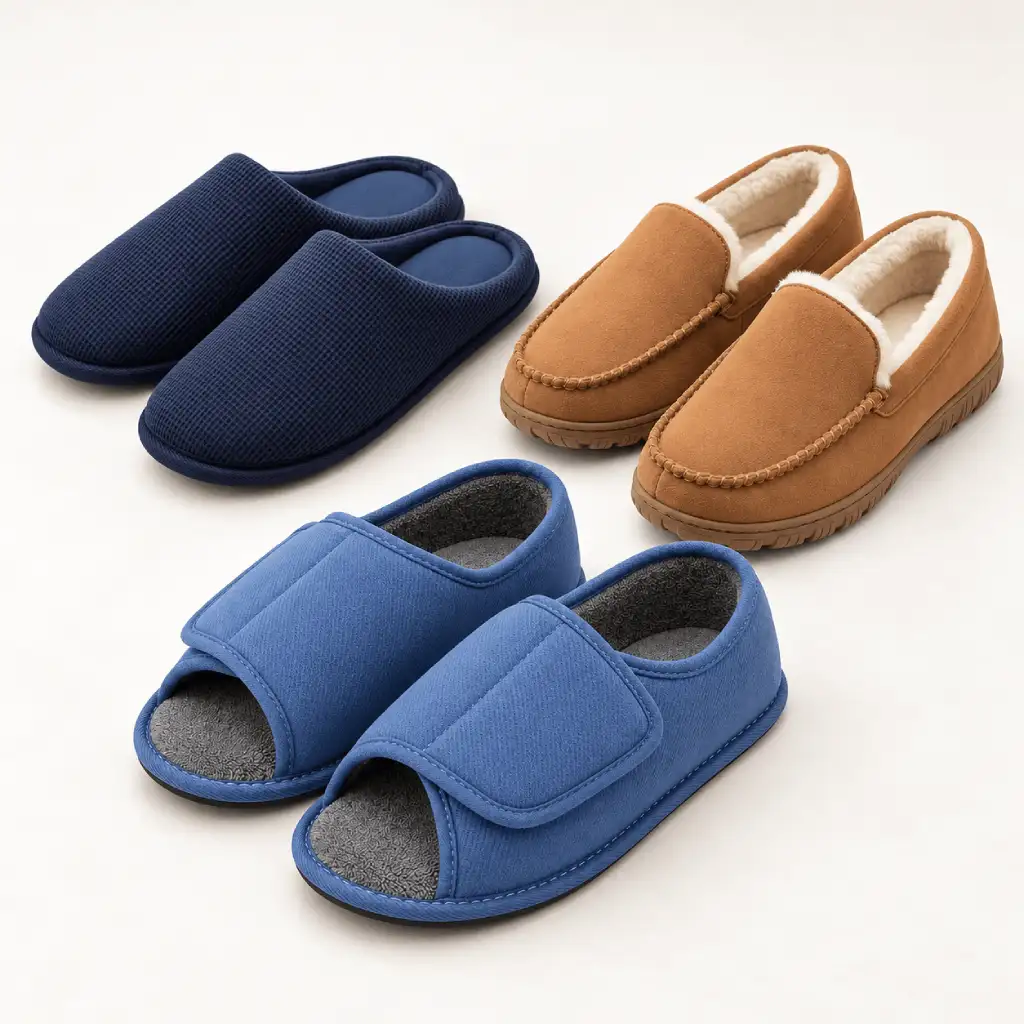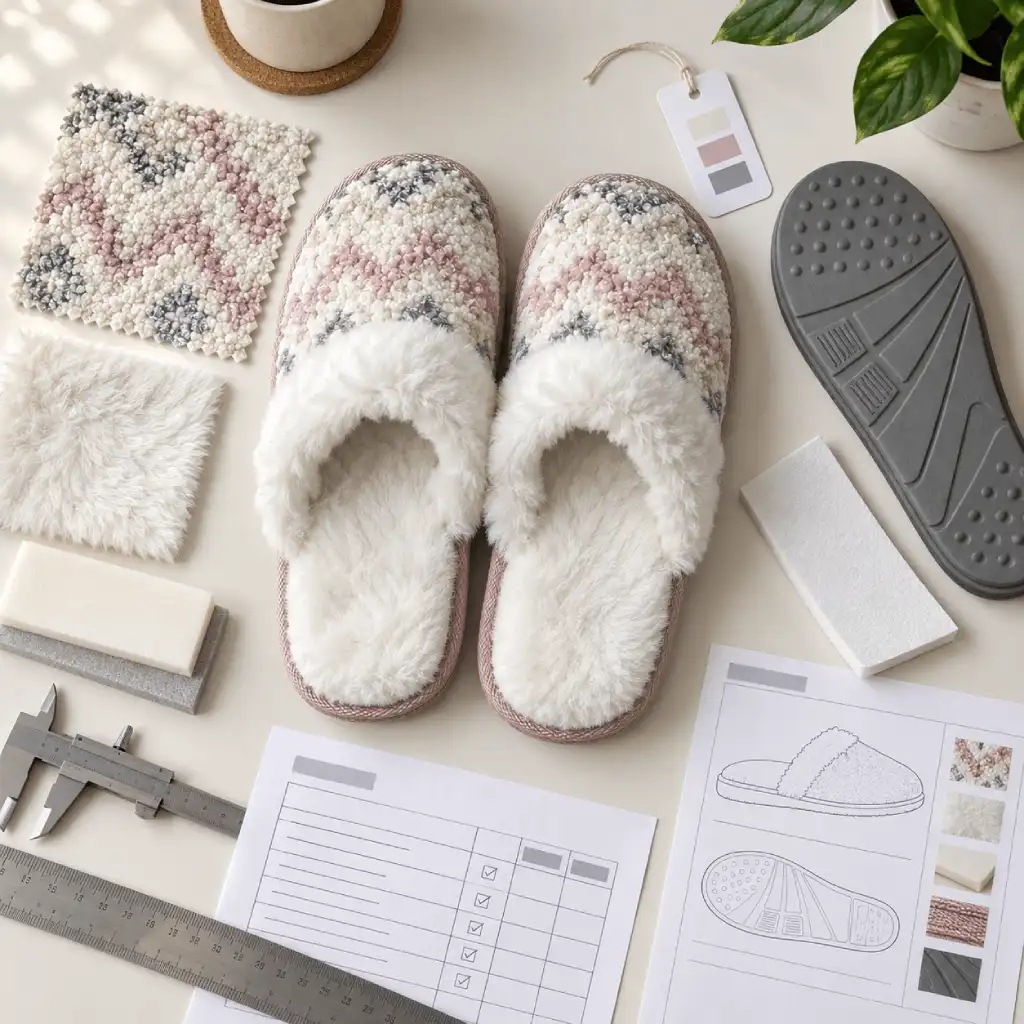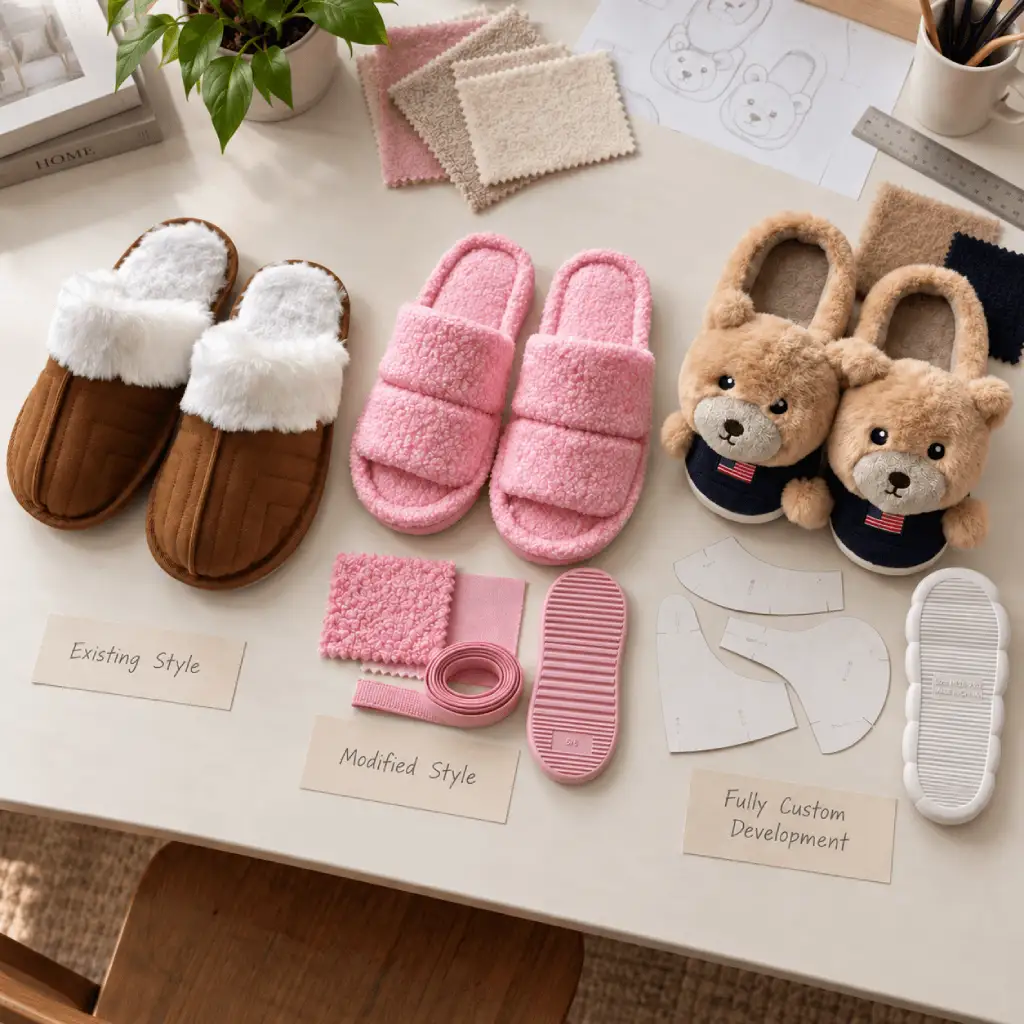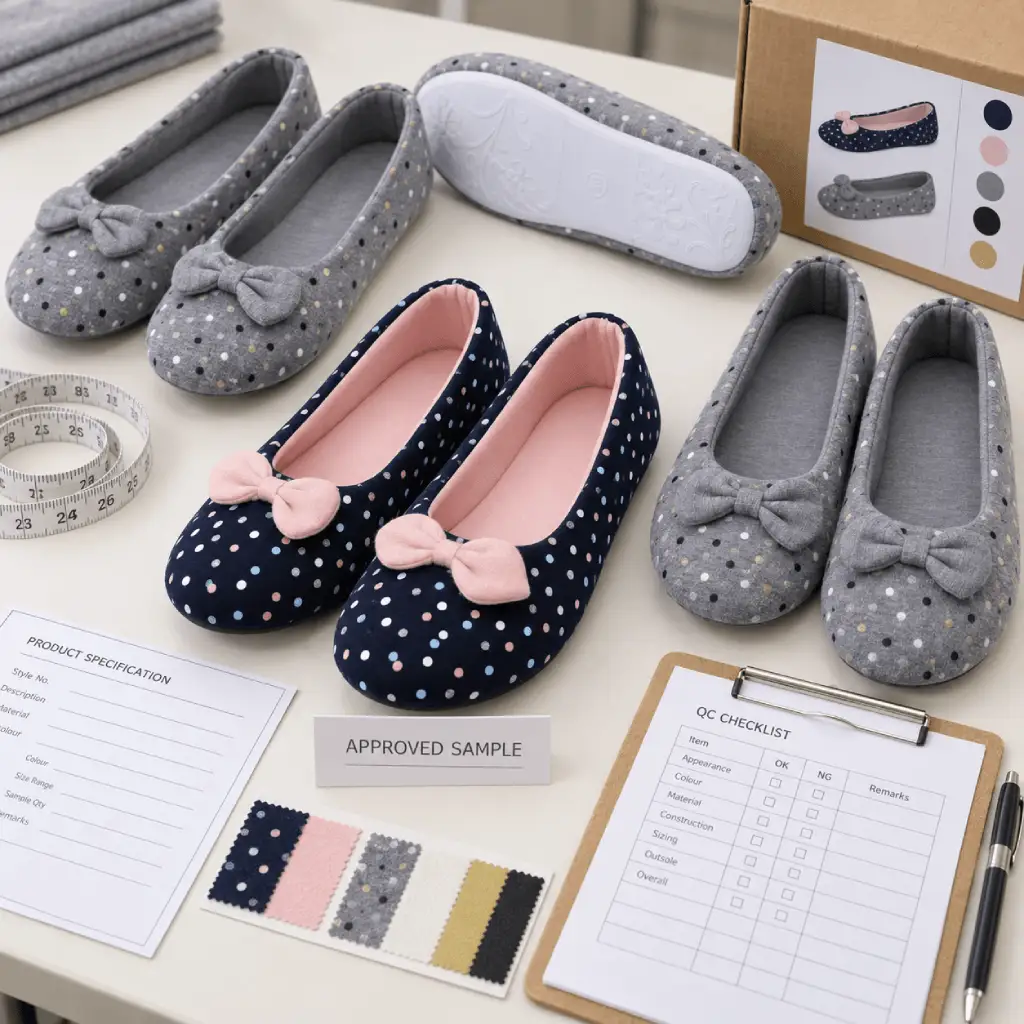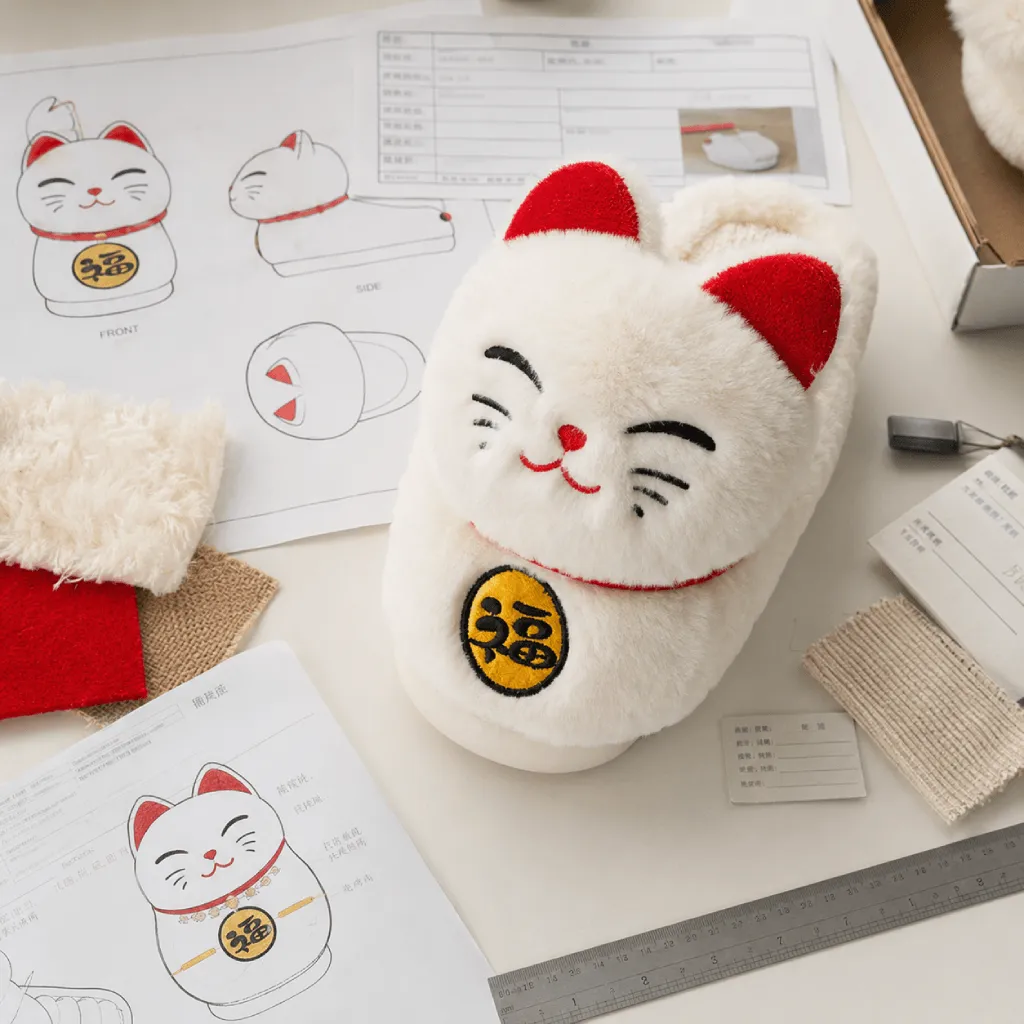
For a buyer planning a new indoor slipper range, custom slipper production time usually comes down to a practical question: will the order be ready for the season? A factory estimate helps, but only when it is clear what happens before production starts and what still needs to happen after the goods are made.
The eight questions below explain how to read that estimate, where extra time can enter the project, and what to clarify before placing an OEM or private label order.
Buyer takeaway: At UTOP, regular custom slipper projects usually need 7–14 days for sampling, followed by 30–45 days for bulk production after sample approval and the other necessary approvals are complete. Materials, outsole tooling, revisions, testing, quantity, branding and packaging can change those ranges. The timing is confirmed for each project.
Scope: This guide focuses on the time needed to develop and make the slippers. For approval deadlines, progress updates and dealing with an order that is running late, see our bulk slipper lead time management guide.
1. What Is the Typical Custom Slipper Production Time?
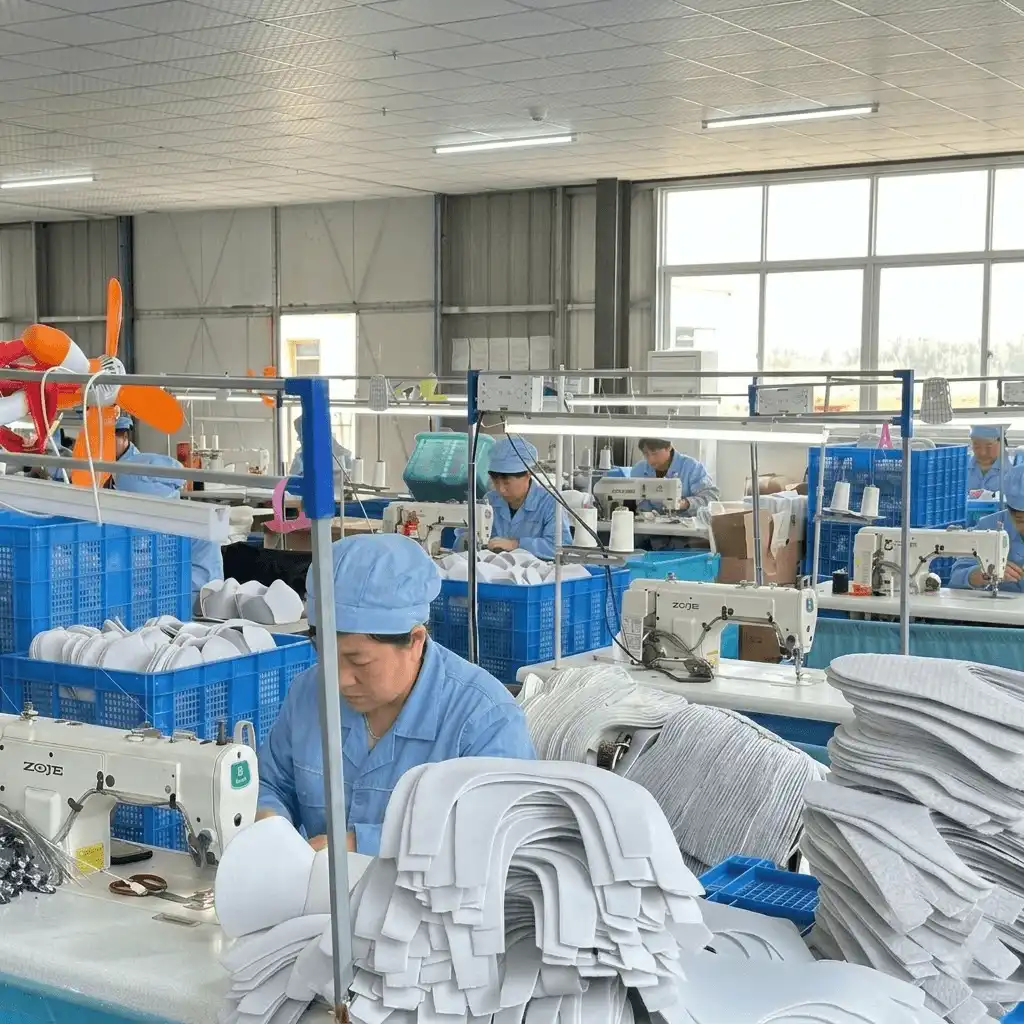
A useful estimate separates sample development from bulk production. For UTOP’s regular projects, the starting ranges are 7–14 days for sampling and 30–45 days for bulk production once the necessary approvals are complete. Neither range is a promise that applies to every slipper design.
The table below shows how those periods fit into a custom slipper production timeline. Ask the supplier which activities are included in its quotation, especially material preparation, final inspection and packing.
| Stage | Timing basis | What to clarify |
|---|---|---|
| Brief review and development preparation | Project-specific | Open specifications, available materials and any tooling work |
| Sample development | Usually 7–14 days at UTOP | Starting conditions, sample scope and what requires extra development |
| Sample transport, review and revisions | Allow according to the project | Courier time, reviewers, revision rounds and required tests |
| Bulk production | Usually 30–45 days at UTOP after necessary approvals | Order confirmation, materials, quantities and the quoted inspection/packing scope |
| Shipment and warehouse receipt | Separate transport estimate | Handoff point, route, clearance, local delivery and receiving requirements |
It is tempting to add the two standard ranges and call the result the total lead time. That leaves out the intervals between them. A sample can be finished while the buyer is still arranging a fit review; bulk goods can be complete while transport is waiting to depart. Some preparation may also run in parallel, so adding every activity together can overstate the schedule.
For a realistic estimate, ask for the start and finish of each quoted period and whether the days are working days or calendar days. Those details make two supplier quotations much easier to compare.
2. What Does the Sample Lead Time Include?
The first question about a slipper sample lead time is which sample the factory means. An available reference pair, a first prototype and a revised pair made in the intended bulk materials answer different questions. They should not share a completion date simply because they are all called samples.
For custom development, agree what the pair will demonstrate: shape and fit, selected materials, outsole, logo execution, or a combination of these. If a substitute fabric is being used to check the pattern, the sample can help with shape, but it cannot settle the appearance or feel of the final fabric.
Making the sample and receiving it are separate dates
UTOP’s usual 7–14-day sampling range refers to sample development. Confirm the expected completion date, then allow for dispatch and courier transit. A request to have the sample on your desk within two weeks is a different requirement from asking the factory to finish it within two weeks.
Allow for the review the product actually needs
Consider a plush slipper that looks right in photographs but feels tight across the instep. If the pattern needs adjustment, the next pair may need another fit review. Approving only its appearance would leave the fit question open. This is one reason custom slipper sampling time can extend beyond the first sample-making period.
Size-set checks, material changes, outsole trials and agreed testing may also require further samples. Ask which items can be reviewed together and which depend on a previous decision. There is no fixed number of revision rounds that suits every order.
One consolidated set of comments is easier to act on than separate messages from purchasing, design and merchandising. Identify the sample version, describe each requested change and distinguish an approval from a request for another option. Our footwear development and sample approval guide covers that review in more detail.
3. When Does the Bulk Production Clock Start?
An email saying “the sample looks good” may still leave several decisions unresolved. The buyer might approve the fit but request a darker lining, a different label or a revised retail box. Those changes matter when deciding when the slipper production lead time begins.
At UTOP, the usual 30–45-day bulk production range follows sample approval and completion of the other necessary approvals. Confirm the order-specific starting conditions in writing, including any agreed payment conditions. A quotation date alone should not be treated as the production start date.
Before using that date in your buying plan, check that the factory has:
- The identified approved sample and current product specification.
- Confirmed materials, colors, outsole and construction details.
- Order quantities by style, color and size.
- Approved logo, label and packaging information required for the order.
- Agreed testing, inspection and release requirements.
For a private label slipper order, the physical pair and the retail presentation need to agree. If barcodes are still being assigned, for example, confirm whether packaging work remains outside the quoted period or whether its approval is a condition for that period to start.
A current shoe tech pack and approval record helps keep these decisions together. You do not need a complex document for a simple style, but the factory should be able to tell which version is approved.
4. How Do Materials and Outsole Tooling Affect Timing?
Two slippers with almost identical silhouettes can have different development requirements. One may use an established upper fabric and an existing outsole. The other may need a specially matched color, a different lining and a molded outsole carrying the buyer’s tread design. Those decisions can change the custom slipper lead time before assembly begins.
A sample swatch does not confirm bulk availability
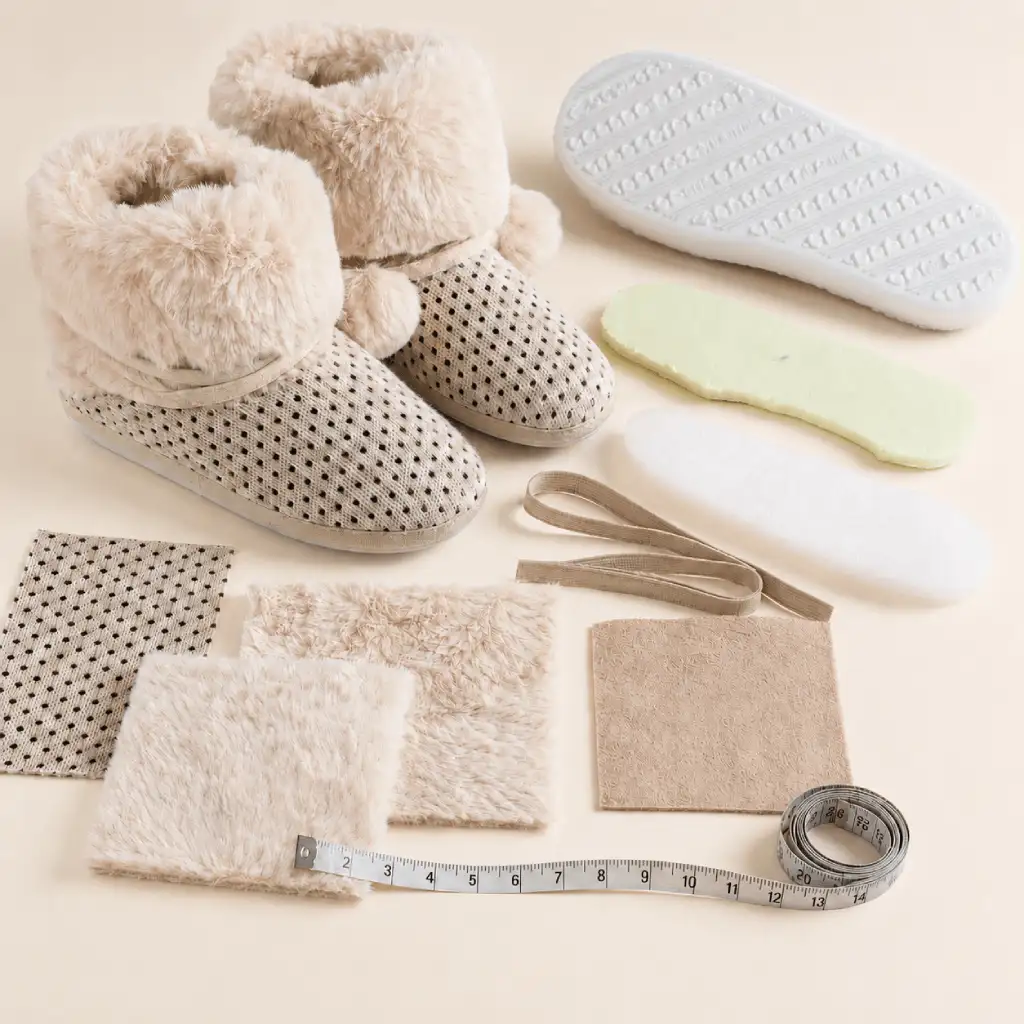
A material supplier may have enough fabric for a sample without having enough of the required specification for the full order. Confirm the quantity, color, backing and other agreed properties, together with the expected availability. A familiar fabric name does not settle those details.
Custom dyeing or printing may involve a color or print approval before the bulk material is prepared. If the first submission needs correction, the material schedule changes. Ask which approvals are outstanding rather than relying on a standard allowance for every fabric.
Check whether the outsole needs new tooling
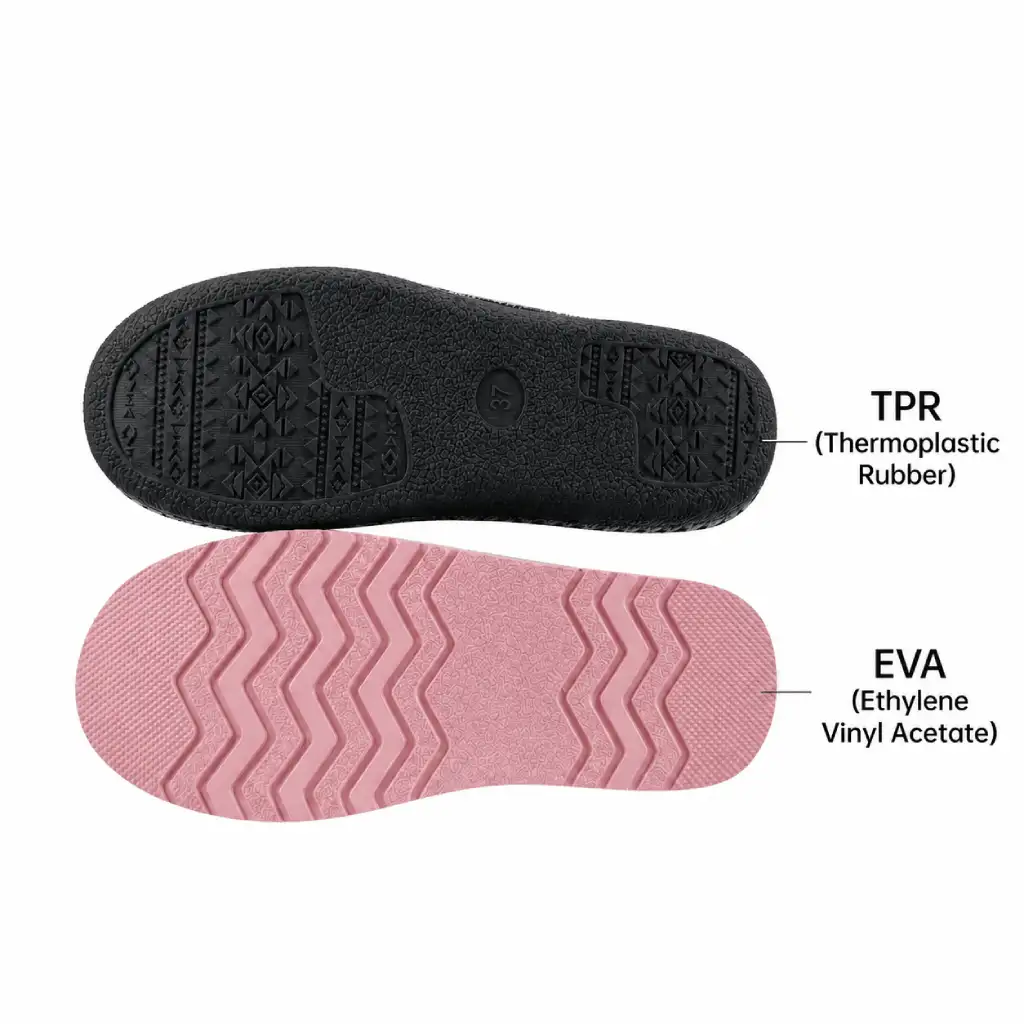
An existing molded outsole may reduce development work if its shape, sizes and construction suit the project. A dedicated tread, molded brand mark or new outline may require separate tooling, trial parts and approval. Confirm that scope across the requested size range before accepting a sample date.
UTOP commonly uses cut-sheet EVA as well as molded TPR outsoles. A cut-sheet EVA outsole follows a different preparation route from an injection-molded EVA product. It still needs its outline, thickness, material and attachment details confirmed, but it should not automatically be assigned the same molding schedule. The material name alone cannot tell you how long development will take.
Once a new outsole is available, it may need to be assembled with the upper to check fit and construction. A sole drawing or loose component does not answer every question about the finished slipper.
Some material and tooling work can overlap when specifications are settled. Ask the factory to explain those dependencies in its OEM slipper lead time estimate. Do not count the same preparation period twice, or assume a new component can be developed during a bulk run that already depends on it.
5. Why Can Similar Slipper Orders Take Different Amounts of Time?
Pair count is only one part of custom slipper production time. An order in one color with one label and one packing format is different from the same quantity divided across several fabrics, logo versions and retail packages. The second order gives more suppliers and production teams separate details to prepare and check.
Construction and decoration change the work involved
Upper panels, binding, lining, decorative pieces and logo applications all affect the work on each pair. Welt-stitched, side-stitched and cold-glued constructions also require different operations and preparation. There is no useful rule that one construction will always finish sooner; the product specification and the factory’s confirmed schedule matter.
Branding can add development work even when the slipper shape is familiar. Fine embroidery lettering that looks clear in a drawing may need adjustment on a deep-pile upper. That approval should be resolved on the selected material before the bulk decoration is made.
Testing needs its own scope and timing
Required tests may concern a material, a component or the finished slipper. SATRA’s footwear testing overview explains this range of testing. For your order, confirm the appropriate sample, test method, acceptance criteria and the point at which a result is needed.
Ask the laboratory or testing coordinator for the actual turnaround, including sample preparation and transport. A required result can become a hold point, and an unsuccessful test may mean corrective work and another submission. No single testing allowance covers every market and product.
Finally, production availability changes with existing bookings and supplier working calendars. A previous order is useful context, but its slipper manufacturing lead time should be checked again for a new quantity, specification or season.
6. Does Production Time Include Inspection and Shipping?
Check the quotation. A supplier may include routine inspection and packing within its production estimate, while separately arranged inspection, corrective work or transport needs additional time. Ask what “finished” means before using the date as a shipping commitment.
Quality checks take place at more than one stage. In-process checks help identify problems while work is underway, but they do not automatically replace the agreed final inspection or authorize shipment. Where an order requires an external inspection, its booking, findings and release decision need to fit the schedule. Our footwear quality control guide explains the different checks.
Finished pairs may still be waiting for packing
Imagine the slippers are ready, but the buyer has changed the barcode allocation. Printed labels may need replacing and carton information may need checking again. The manufacturing work on the shoes is complete; the order is not yet ready for handoff.
Approve individual packaging, labels, pack ratios and carton marks with enough time for the packaging supplier to produce them. The slipper packaging guide sets out the details worth settling.
| Date | What it tells the buyer |
|---|---|
| Production completion | The agreed manufacturing work is complete; clarify inspection and packing status. |
| Ready for shipment | Packing, required checks and release conditions are complete for the agreed handoff. |
| Warehouse arrival | Transport, clearance where applicable and final delivery have taken place. |
Shipping time depends on the route, transport mode, booking and destination. Obtain a current estimate from the party arranging freight and include any local delivery or receiving appointment. A shorter sea or air transit estimate does not reduce the time needed to make and approve the order.
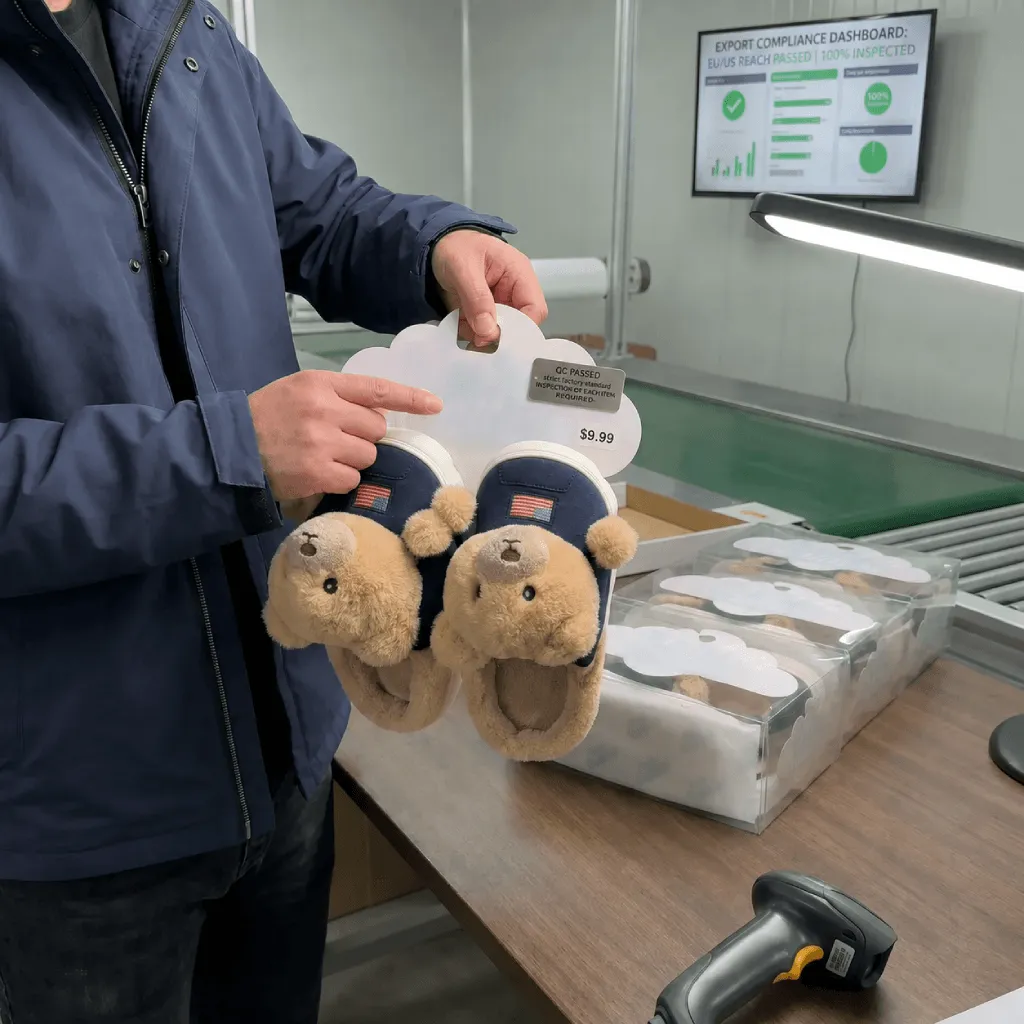
7. What Can Shorten the Timeline Without Rushing Production?
When the launch date is close, start by asking which product decisions are flexible. An existing style may meet the brief with a color and logo change. If so, keeping a suitable outsole or using an available fabric could reduce development work. The factory still needs to confirm that the materials and production time are available.
If a new outsole shape or a particular fabric is essential to the collection, say so early. It is more useful to build that work into the estimate than to request a shorter lead time on a specification that keeps changing.
For a more workable custom slipper lead time:
- Separate essential design features from details where alternatives are acceptable.
- Confirm bulk availability before choosing a material because it looks ready in the sample room.
- Provide artwork, size quantities and packaging requirements while sampling is underway.
- Arrange the necessary sample reviewers and testing requirements early.
Reducing the order quantity does not automatically remove a material minimum, a tooling step or a production booking. Likewise, a repeat order may need less development but still require new material preparation. Treat a faster route as a proposal to review against the actual order.
UTOP’s custom slipper development services allow that discussion to begin from an existing style, a reference sample or an original brief. Share the required date together with the product details so the available options can be assessed.
8. What Else Should Buyers Ask Before Ordering?
Is custom slipper production time the same as total lead time?
Not necessarily. Production time may describe bulk manufacturing after approvals, while total lead time may also include development, sample transport, buyer review and delivery. Suppliers use the terms differently, so ask for the start point, end point and exclusions.
Can I get a timing estimate before I have a full tech pack?
Yes. Send the available reference, intended changes, quantities, market, packaging needs and required date. UTOP can review the starting information. Any early estimate should identify the unresolved details that could change it.
Does approving a photo finish the sampling stage?
A photo can help review visible details, but it cannot establish fit, hand feel or every construction requirement. Agree what can be approved remotely and what needs a physical sample or test. Record any limits to the approval.
Is private label slipper lead time always shorter than OEM development?
No. The labels do not define the amount of work. An existing style with limited branding may need less development, while a private label collection with custom materials, sizing, tooling and packaging may need considerably more. Compare the specifications and approvals involved.
What if the order needs to arrive before a holiday launch?
Give the factory the warehouse receipt deadline and destination, rather than only the launch date. Ask for a project-specific feasibility review covering development, production and shipment. Then use the agreed dates to manage approvals and transport.
Conclusion
Before comparing quotations, put the same question to each supplier: when does the quoted period start, what is included, and what remains open? The answers will tell you more about whether the order fits your season than the headline number of days alone.
Discuss the timing for your slipper project
Send UTOP your style reference, estimated quantities by color and size, material and outsole requirements, branding, packaging, destination and target date. Include the current sample status and any required tests. We can review the development and production work involved and confirm timing for your project.